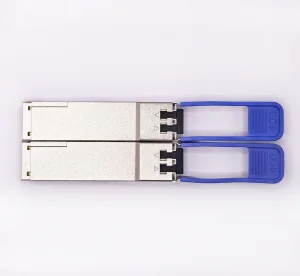
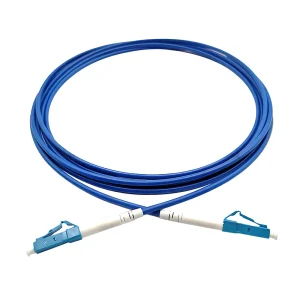
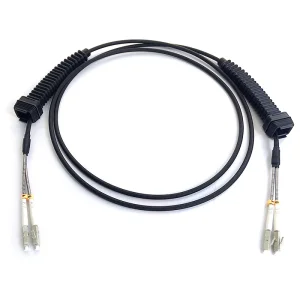
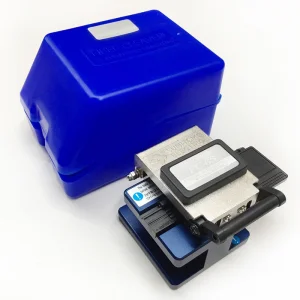
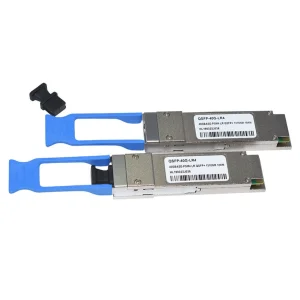
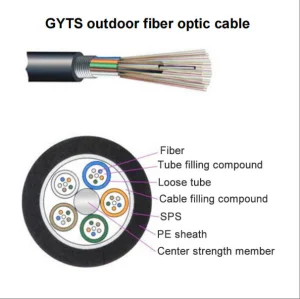
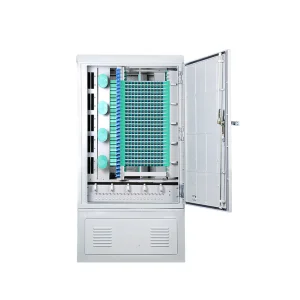
Explore our core collection of high-density active transceivers, passive optical components, and physical infrastructure cabling tools.
As enterprise networks, AI computing clusters, and metropolitan telecommunication architectures aggressively transition from legacy 10G/40G backbones to high-throughput 100G Ethernet systems, global infrastructure architects encounter a perpetual challenge: optimizing the Total Cost of Ownership (TCO) without exposing hardware systems to latency degradation, packet loss, or premature transceiver failure. The search for a *cheap 100G QSFP* manufacturer must be balanced with strict engineering metrics.
Finding a competitive cost structure is no longer about seeking cut-rate, uncertified clone transceivers. Instead, it involves partnering with a supplier that maximizes production efficiencies, leverages deep supply chain integrations, and implements automated test protocols. In the modern telecom ecosystem, cost-reduction is achieved through advanced silicon integration, high-yield manufacturing, and standardized MSA compliance. This ensures that every 100G QSFP28 transceiver meets the precise parameters demanded by global operators.
How technical innovations, physical design changes, and media-dependent adapters drive down network component cost.
Traditional 100G QSFP28 modules leverage 4 channels of 25Gb/s NRZ (Non-Return-to-Zero) signals. Emerging single-wavelength 100G architectures deploy 100G PAM4 (Pulse Amplitude Modulation 4-Level) DSPs, reducing optical sub-component complexity, reducing mechanical alignment configurations, and cutting BOM expenses by up to 30%.
By integrating complex optical subsystems—including modulators, detectors, and waveguides—directly onto a single silicon chip substrate, Silicon Photonics (SiPh) replaces discrete components. This simplifies mechanical packaging, significantly boosts thermal dispersion profiles, and ensures stable, scalable optical transmission over long distances.
Looking beyond traditional pluggable transceiver form factors, the industry is transitioning toward Co-Packaged Optics. By positioning optical engines in immediate proximity to the central switch ASIC, CPO minimizes electrical path losses, reducing overall rack power requirements and lowering system-level capital expenditures.
How does KOCENT OPTEC LIMITED deliver exceptional cost efficiency without compromising technical reliability? The answer lies in China's integrated optoelectronic manufacturing clusters, coupled with strict quality management protocols.
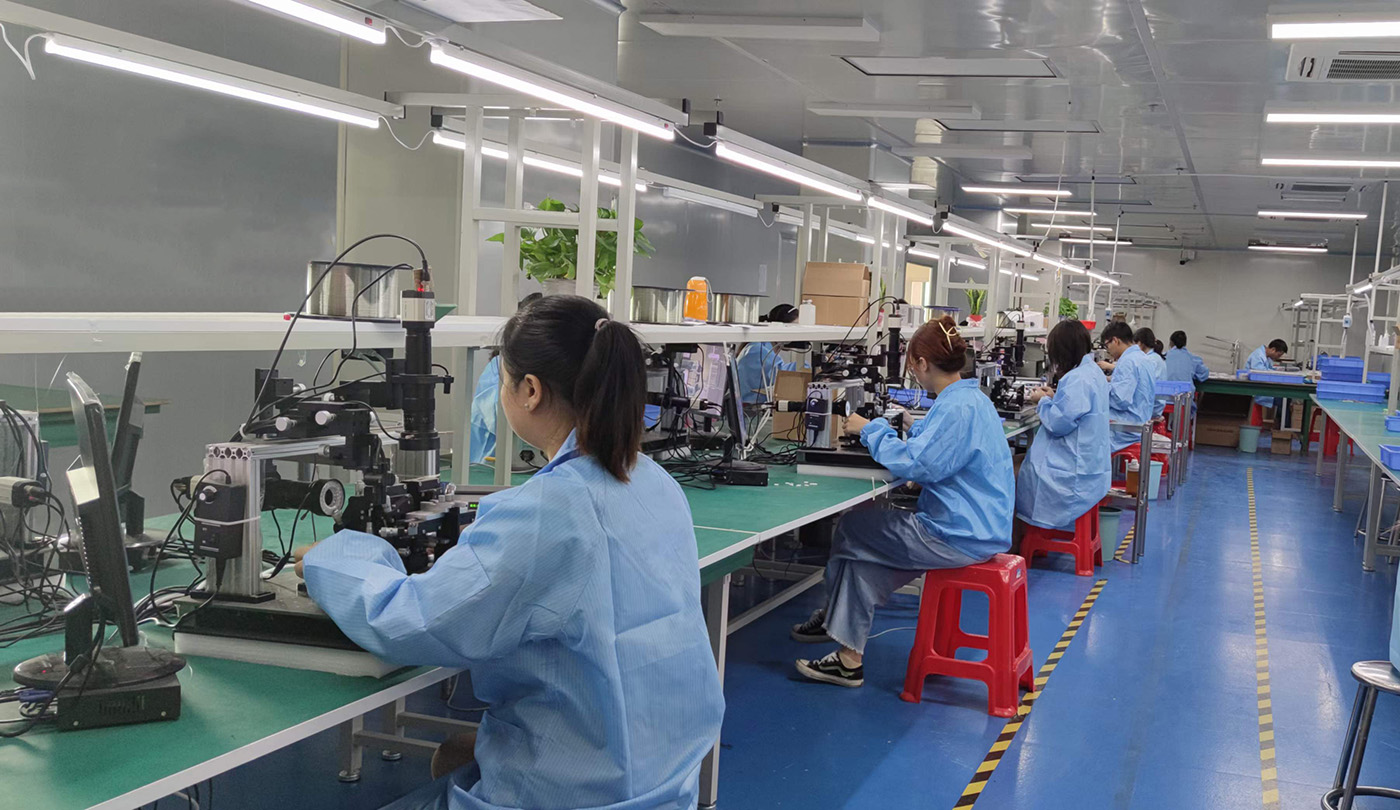
Established in 2012 in Hong Kong as a hi-tech communication enterprise, Kocent Optec Limited has emerged as one of China's premier manufacturers and solution providers for fiber optic termination and transmission systems. By utilizing advanced automated optical alignment tools, automated wire bonding, and automated multi-temperature test configurations, we minimize human error and achieve high manufacturing yields.
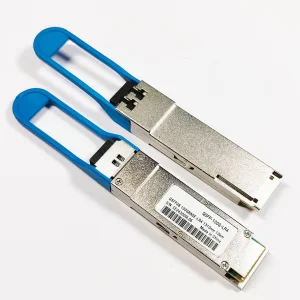
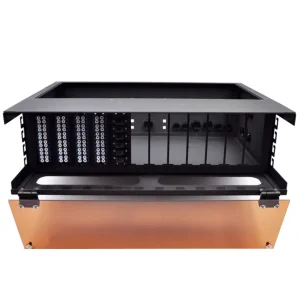
Our mature manufacturing pipelines allow us to offer cost-competitive passive products, high-density MTP/MPO chassis arrays, and active transceivers like our 100G QSFP and 200G QSFP56 lines. Our 13-year heritage translates into optimized production steps, robust material purchasing leverage, and reliable quality assurance.

Quality control in high-speed optical systems is non-negotiable. At Kocent Optec Limited, we strictly follow international fiber optic industry standards, employing mature scientific testing methodologies to guarantee on-time delivery and flawless out-of-the-box operation.
Every active transceiver and passive interface element undergoes a comprehensive testing sequence, which includes:
Deploying optimized 100G optical architectures across high-performance enterprise and telecommunications environments.
In modern multi-tenant and private cloud data centers, Spine-Leaf architectures require thousands of inter-cabinet links. Utilizing 100G QSFP28 SR4 for short reach (up to 100m over OM4) and CWDM4/LR4 options for longer distances ensures cost-effective scaling for growing bandwidth demands.
Next-gen base station deployments require low-latency transport options. Dual-rate 25G/100G QSFP transceivers enable carriers to seamlessly transition fronthaul interfaces to 100G. This provides the processing capacity needed for massive MIMO and densified cell architectures.
Deploying 100G QSFP28 LR4 (10km) and ER4 (40km) modules enables ISPs to aggregate regional routing links into dense, metro-wide rings without needing costly inline optical amplification. This simplifies network setups and reduces overall deployment costs.
For procurement officers and network architects managing global rollouts, buying optical gear involves assessing a wide range of interoperability and logistics factors.
By leveraging our extensive production capacity and logistics experience, we maximize the outcome for our customers. This expands their core competencies and helps them outperform competitors. We focus on customer collaboration, defining ourselves as a reliable partner in fiber optic connection solutions.
Our solutions are designed to address the key priorities of modern purchasing teams:
Years of service experience have helped us build a global customer base across East Asia, Southeast Asia, the Middle East, Europe, the Americas, and Africa. Many of our OEM and ODM products have won telecom operator tenders, satisfying strict end-user requirements.
Our fiber optic solutions are deployed in networks run by major global telecom operators:
Our international footprint highlights our dedication to regulatory compliance, environmental safety (including RoHS and REACH directives), and reliable logistics. We work closely with our partners to simplify customs clearance and offer localized technical support to speed up network deployments.
Get authoritative answers on 100G QSFP configurations, standards, and deployment options.
Complementary products to complete your network architecture deployments.
 KOCENT OPTEC