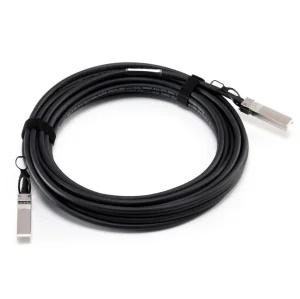
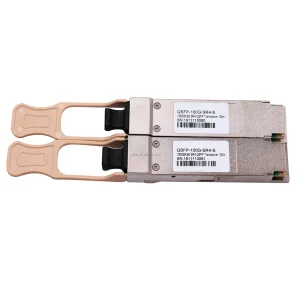
Explore our high-performance transceivers, active direct attach cables, and optical accessories engineered for reliability and sub-millisecond latencies.
As standard enterprise data networks experience exponential data volume scaling, the transition from legacy 1GbE pathways to reliable 10GbE (Gigabit Ethernet) architecture has shifted from an elective upgrade to an infrastructure prerequisite. Today's global digital landscape depends on sub-millisecond network latencies to power financial processing, high-density cloud databases, and content delivery pipelines.
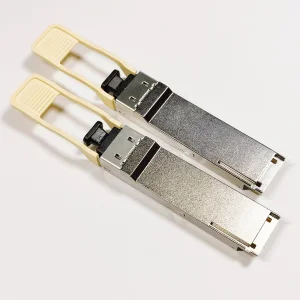
Optical SFP+ transceivers occupy the core of this transition, acting as the critical media converter converting electric backplanes to high-speed optical highways. For data center operators, purchasing managers, and telecommunication systems architects, locating high-quality, cost-efficient 10G SFP+ optical engines is key to maintaining operational margins without degrading service availability metrics.

In high-speed networking, procurement professionals often associate the word "cheap" with compromised performance. However, Chinese optic assembly industries redefine this narrative through structural and economic advantages.
Shenzhen and neighboring optical hubs concentrate laser diode foundries, PCB fabricators, metal housing die-casters, and packaging houses within a 50-mile radius. This geographical density drives component logistics costs to near-zero margins.
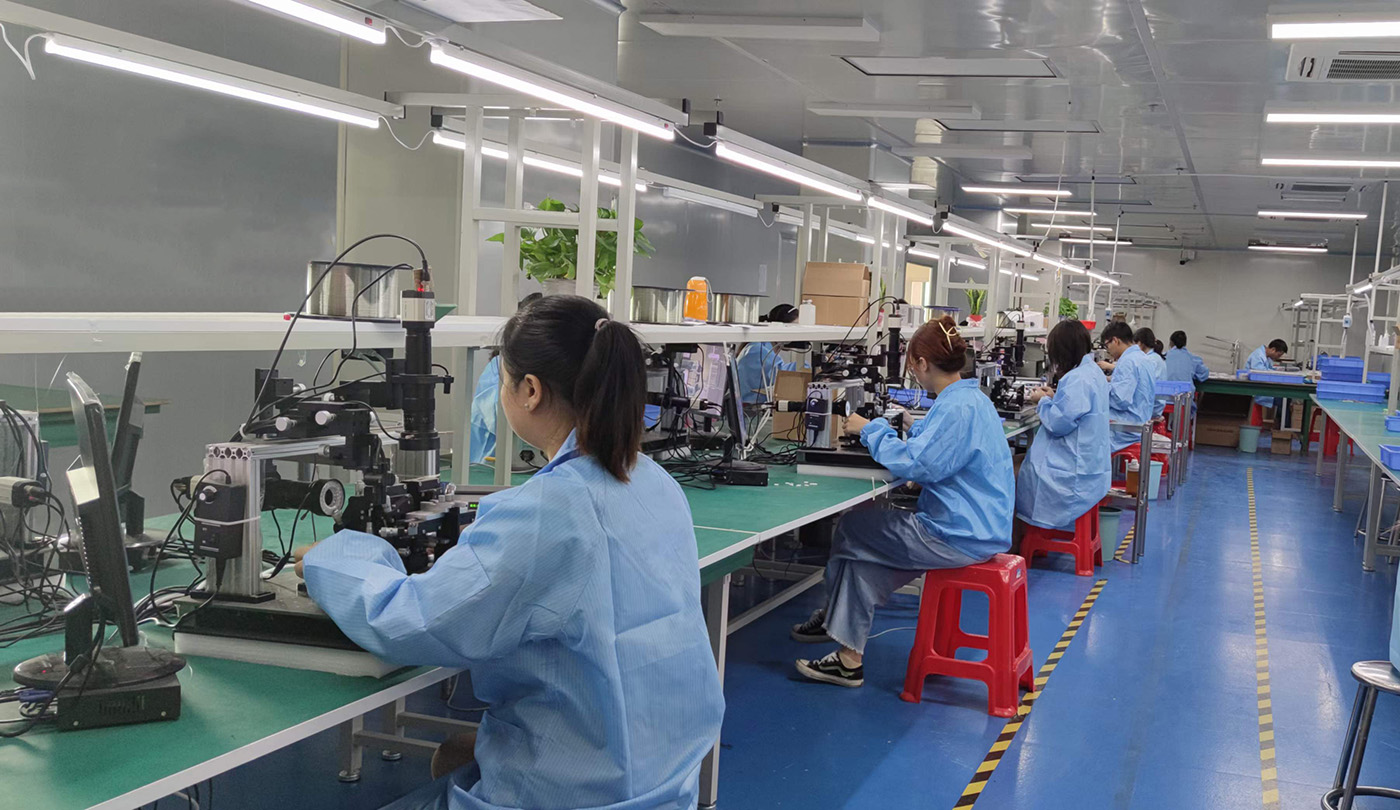
Modern factories utilize automated alignment and test benches to perform physical layer validation, including bit-error-rate (BER) testing, eye diagrams, and multi-host switch compatibility programming in milliseconds, drastically cutting manual assembly labor costs.
Multi-Source Agreement (MSA) standards mandate exact dimensions, electrical interfaces, and optical characteristics. Chinese manufacturers use these universal standards to construct transceivers that match or exceed the performance profiles of Tier-1 OEMs at a fraction of their pricing.

Kocent Optec Limited was established in 2012 in Hong Kong as a high-tech communication enterprise. Over the last decade, we have grown into one of China's premier fiber optic termination product manufacturers and optical solution providers.
We are dedicated to developing and manufacturing fiber optic communication products spanning passive infrastructure to active optical modules for telecommunication networks, enterprise structures, and modern hyperscale data centers.
Leveraging our extensive experience and scalable production capacities, we optimize supply lines for our valuable customers, expanding their core competencies and helping them outperform competitors. We place deep emphasis on strategic customer collaboration, defining ourselves not just as a supplier, but as a valuable partner in high-performance fiber optic connection solutions. We believe our technical differentiators are your structural advantages.
With more than 13 years of specialized experience in manufacturing telecommunication fiber optic products, we strictly follow regional and international standards. Using mature, data-driven scientific methods, we ensure all orders deliver on time and that 100% of finished products undergo testing and inspection before packaging and shipment.
Our transceivers feature complete compatibility testing on original target switches, analyzing TX/RX optical power, DOM (Digital Optical Monitoring) telemetry parameters, and system-level thermal stability under full network loads.
| Transceiver Type | Form Factor | Wavelength (nm) | Fiber Type | Max Distance | Typical Applications |
|---|---|---|---|---|---|
| 10GBASE-SR | SFP+ | 850nm | MMF (OM3/OM4) | 300m / 400m | Data Center Intra-Rack & Inter-Rack Connections |
| 10GBASE-LR | SFP+ | 1310nm | SMF (G.652) | 10km | Campus Backbone & Enterprise LAN Extensions |
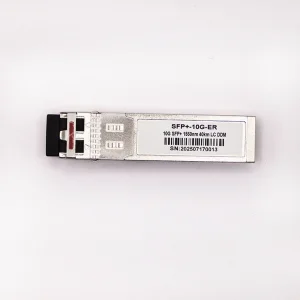
| 10GBASE-ER | SFP+ | 1550nm | SMF (G.652) | 40km | Metropolitan Area Networks (MAN) & Backhaul |
| 10GBASE-ZR | SFP+ | 1550nm | SMF (G.652) | 80km | Long-haul Telecom & Regional ISP Interconnects |
| 10GBASE-T | SFP+ | Copper Cat6a/7 | UTP/STP | 30m / 80m | Legacy Copper Network Integration |
Optical modules function differently depending on local installation standards, environmental conditions, and municipal regulations.
Operating continuously, modern data centers require high-density thermal management and low electrical power footprints. Our 10G SFP+ SR modules consume less than 0.8W per port, minimizing cooling overhead in dense server arrays.
For outdoor cabinets, edge processing structures, and mobile base stations, we offer Industrial Temperature (I-Temp) transceivers rated to perform between -40°C and +85°C, featuring rugged internal laser design.
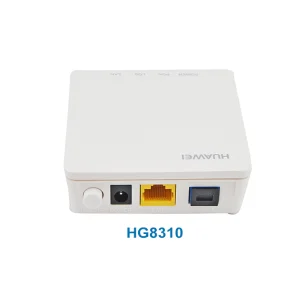
Providing high-bandwidth fiber links to subscriber terminals, our GPON/EPON ONU and ONT products integrate with regional aggregation platforms to secure high-speed access for residential nodes.
Navigating global semiconductor supply chains requires proactive forecasting and clear communication. Over 13 years of sales and service experience have enabled us to win customers from East Asia, Southeast Asia, the Middle East, Eastern Europe, Western Europe, Northern Europe, South America, North America, North Africa, and South Africa.
Win-win cooperation remains our constant goal. Many of our OEM and ODM products have won telecom operator tenders, satisfying strict end-user specifications. We supply pre-programmed modules containing custom vendor information, custom serial coding, and custom label engraving to integrate directly into customer configuration systems.
Get technical clarification on optical transceivers, compatibility protocols, and global supply logistics.
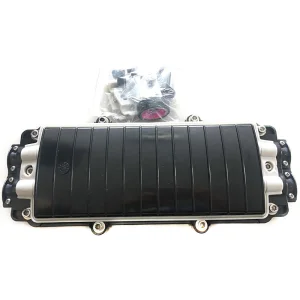
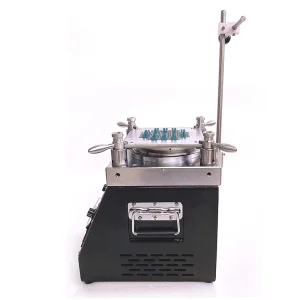
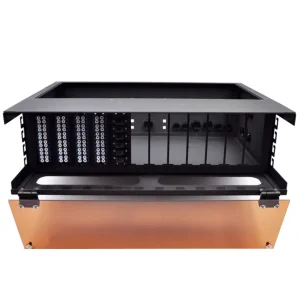
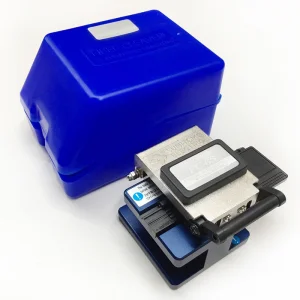
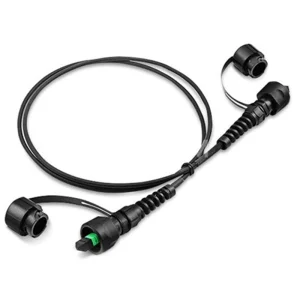
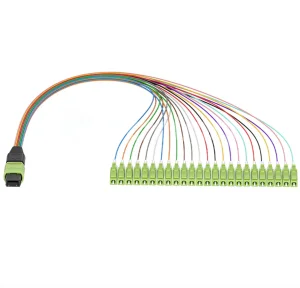
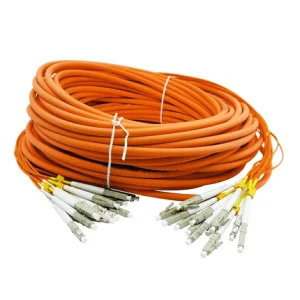
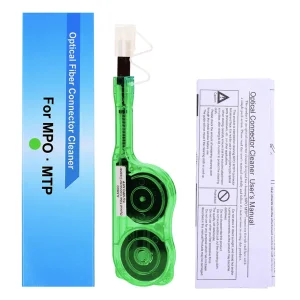
Enhance network performance with additional OEM/ODM modules, patch cords, outdoor cabling, and tools from our production floor.
 KOCENT OPTEC