Established in 2012 in Hong Kong as a high-tech communication enterprise, Kocent Optec Limited has emerged as one of China's premier fiber optic termination product manufacturers and end-to-end optical solution providers.
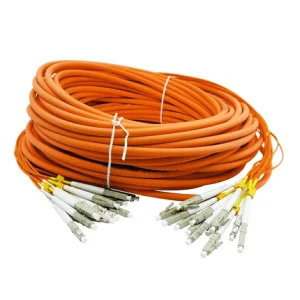
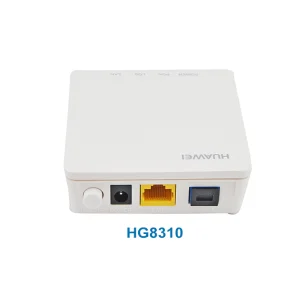
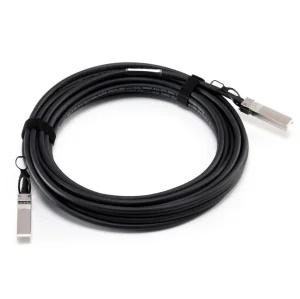
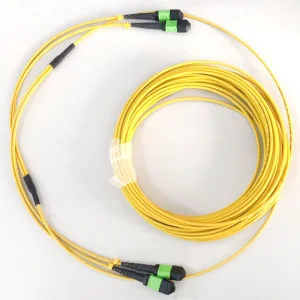
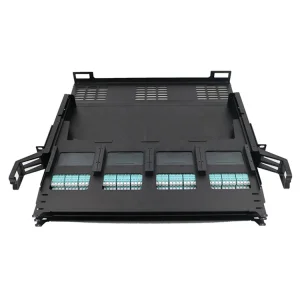
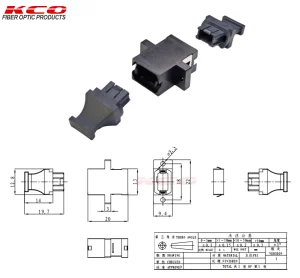
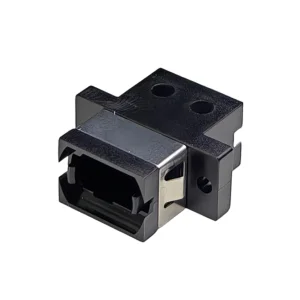
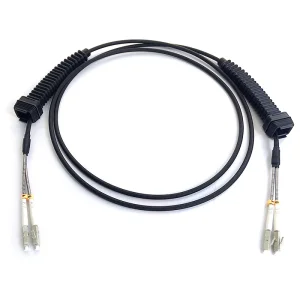
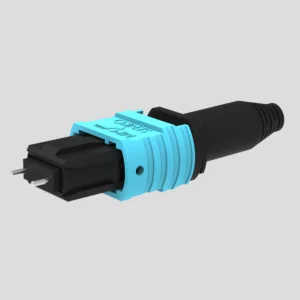
Our commitment focuses on engineering and producing top-tier active and passive fiber optic communication hardware. From standard patch cords to high-density MTP/MPO network arrays, we service global telecommunication networks, hyperscale enterprise data centers, and advanced local access networks (FTTx).

An in-depth whitepaper analysis of core commercial dynamics, global trends, and cost efficiency in passive optical structures
In the contemporary telecommunication ecosystem, scaling optical density is no longer merely a priority—it is a baseline operational necessity. As data centers migrate from 40G and 100G architectures to 400G, 800G, and eventually 1.6T, the structural components of fiber routing must evolve. Underpinning this physical layer scaling is the deployment of 24-fiber optic cables. Offering exactly double the density of the industry-standard 12-fiber components, 24-fiber infrastructures optimize pathway space, lower connection points, and dramatically reduce installation labor overhead.
Historically, network architects favored single or dual-duplex fiber setups. However, modern dense wave division multiplexing (DWDM) and parallel optics have made 12-core and 24-core trunks the standard baseline. The global procurement trends indicate that deploying 24-fiber optic setups can yield significant financial and space advantages:
| Metric / Feature | Legacy Dual Duplex (2/4 Fibers) | Standard MPO/MTP Core (12 Fibers) | High-Density MPO/MTP Trunk (24 Fibers) |
|---|---|---|---|
| Pathway Space Utilization | Poor (High congestion in conduits) | Moderate (Standard data center rack footprint) | Excellent (Up to 50% space saving vs. 12-core) |
| Optical Insertion Loss Profile | Low (<0.10 dB per connection) | Standard (0.35 dB to 0.75 dB standard) | Premium Ultra-Low Loss (down to 0.15 dB - 0.35 dB) |
| Installation Labor Complexity | Extremely High (Individual terminations) | Moderate (Plug-and-play modular cassettes) | Very Low (Single pull handles twice the density) |
| Material ROI over 5 Years | Negative (Frequent physical recabling needed) | Standard (Sufficient for baseline upgrades) | Outstanding (Prepared for 400G/800G transitions) |
By shifting to 24-fiber pathways, telecom enterprises save valuable overhead in duct utilization. Under urban streets or inside hyperscale data halls, physical space represents a concrete constraint. Pulling a single 24-fiber loose-tube or ribbon cable instead of two 12-fiber assemblies halves the pulling cost, reduces splicing times at distribution hubs, and minimizes risk vectors during hardware upgrades.
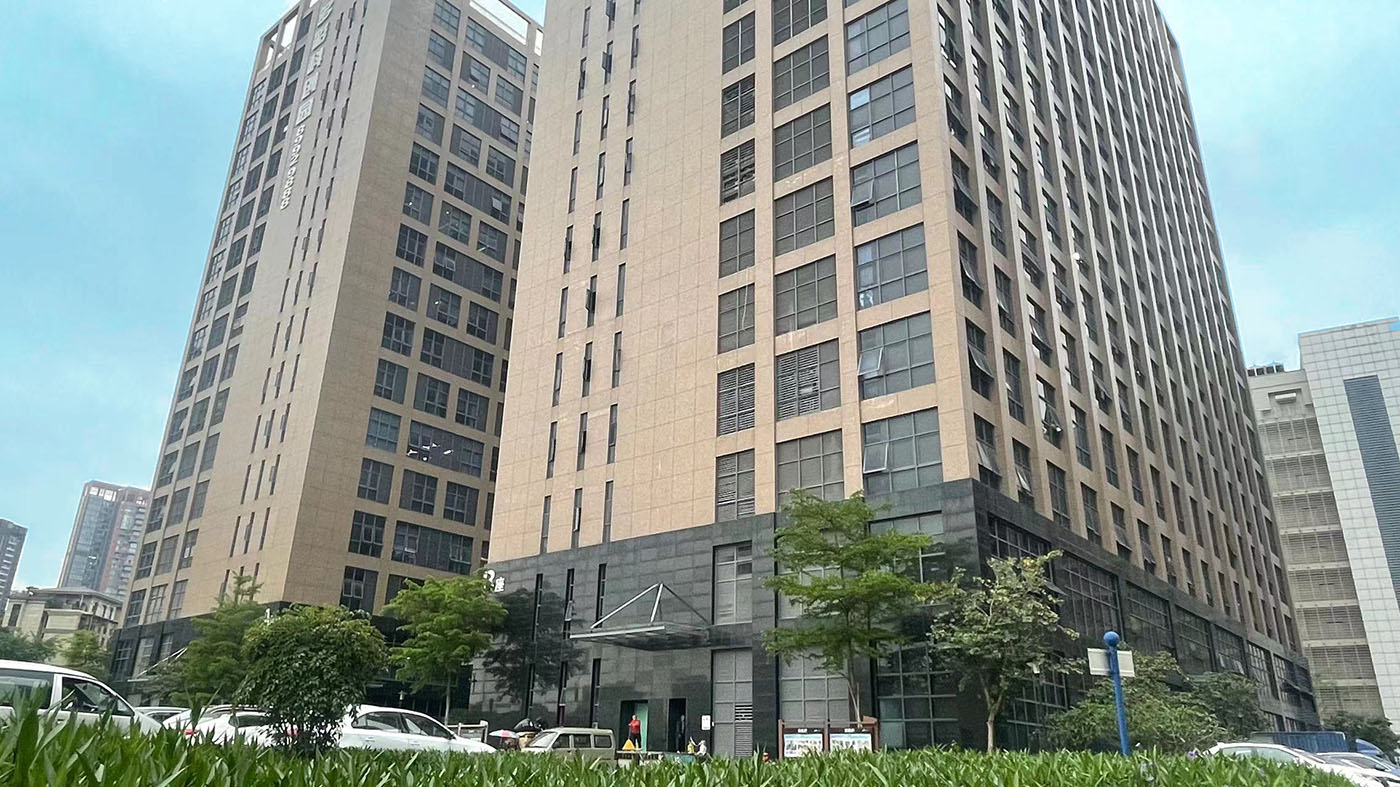
By leveraging our extensive manufacturing experience and high-efficiency production processes, Kocent Optec optimizes every step of the supply chain. We align ourselves as a long-term strategic collaborator, offering customized connectivity solutions that provide our clients with a distinct competitive advantage.
Our Quality Management System strictly adheres to international telecommunication standards (including IEC, Telcordia GR-326-CORE, and RoHS). 100% of our products undergo comprehensive testing for insertion loss, return loss, and end-face geometry using state-of-the-art interferometry before dispatch.
How 24-fiber solutions act as the core physical architecture for global telecommunications and smart cities
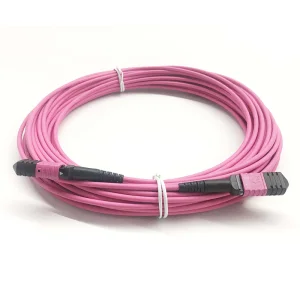
Migration from OM3/OM4 to OM5 and Single-Mode (G.652.D, G.657.A1) allows 24-fiber layouts to support multi-wavelength SWDM. We integrate advanced polarity schemes (Method A, B, C) directly into our MTP/MPO 24-fiber trunks, ensuring drop-in compatibility with legacy networks.
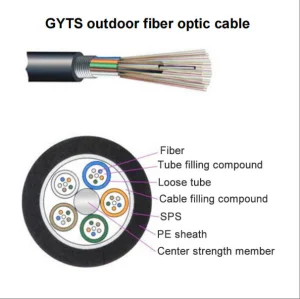
Underground and aerial installations require high mechanical stability. Our 24-fiber armored outdoor cables protect critical city data loops from rodent damage, moisture intrusion, and temperature fluctuations, delivering consistent performance in municipal networks.
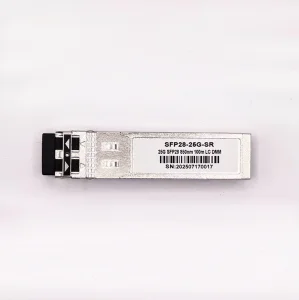
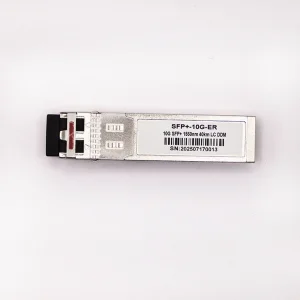
High-density switches utilize transceivers with 24-fiber interfaces. Standardizing on 24-fiber structured cabling allows operators to scale bandwidth by upgrading patch leads and transceivers, eliminating the need to install new core backbone runs.
When requesting quotes for 24-fiber cables, identifying the correct environment and sheath rating is critical to balancing cost with compliance. Our production lines manufacture cables utilizing various materials, tailored to specific environmental and safety guidelines:
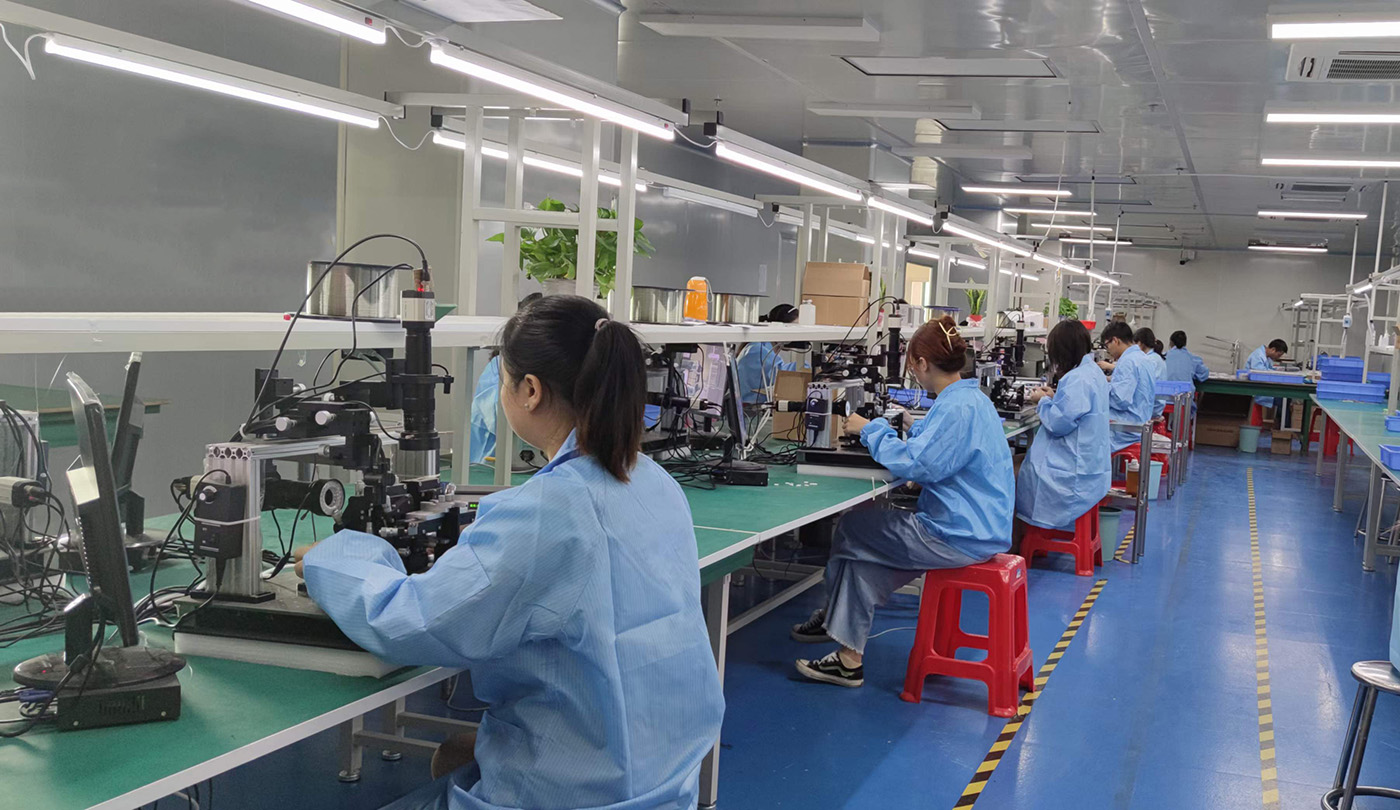
With over 13 years of experience in manufacturing telecommunication fiber optic products, we strictly follow global industry standards. We utilize mature scientific methods to deliver your orders on time, ensuring that 100% of our products undergo rigorous testing and inspection prior to shipment.
Our state-of-the-art facilities allow us to offer competitive factory pricing for high-volume custom production runs. This efficiency provides our international partners with premium performance without the premium cost.
Supplying Tier-1 operators and enterprise infrastructures across the globe
Years of sales, engineering, and support services have enabled us to build partnerships with customers across various global regions. Today, Kocent Optec supports network infrastructures in East Asia, Southeast Asia, the Middle East, Eastern and Western Europe, Northern Europe, South and North America, as well as North and South Africa.
Mutual growth remains our core long-term objective. Many of our OEM and ODM assemblies have successfully won telecom operator tenders, meeting strict technical requirements for deployment across major international network environments.
Crucial queries answered by our head engineering team for global buyers
By routing 24 optical cores through a single jacket, the diameter of the outer sheath is reduced compared to running two separate 12-fiber cables. This design increases pathway capacity, minimizes congestion in overhead trays, and simplifies routing through narrow conduits, resulting in faster and cleaner installations.
Pricing is typically determined by: 1) Fiber core type (Single-Mode G.652.D or G.657.A vs Multimode OM3/OM4/OM5); 2) Cable jacket rating (LSZH, OFNR Riser, or OFNP Plenum for indoor configurations, or PE with steel tape armoring for outdoor environments); 3) Termination interfaces, such as standard raw ends or factory-terminated premium low-loss MTP/MPO connectors.
We utilize precision-molded MT ferrule technology along with specialized robotic polishing systems. This process maintains precise control over fiber protrusion and end-face geometry, allowing our elite configurations to deliver a typical insertion loss (IL) of 0.15dB, while standard components fall well below 0.35dB.
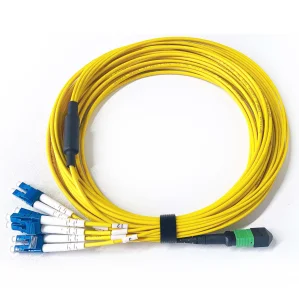
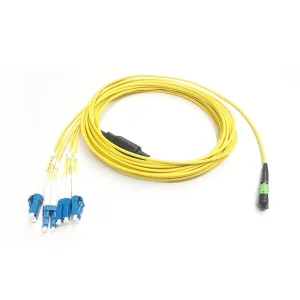
Yes. As an OEM and ODM manufacturer, we provide tailored solutions for fiber lengths, color coding, jacket configurations (LSZH/PVC/Plenum), and customized connector variations (LC, SC, MTP/MPO-24, FC, ST) to meet the exact requirements of your site architecture.
 KOCENT OPTEC