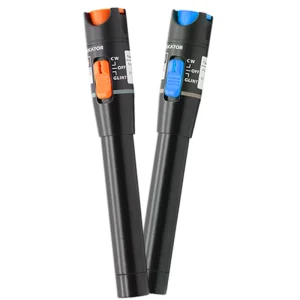
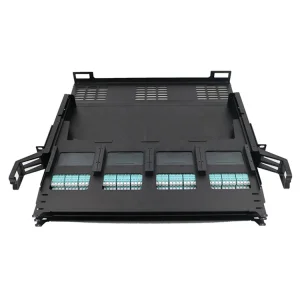
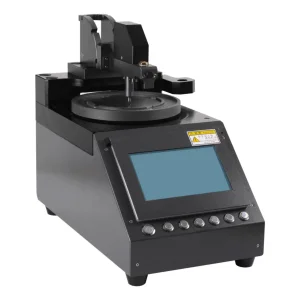
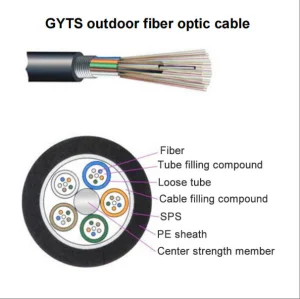
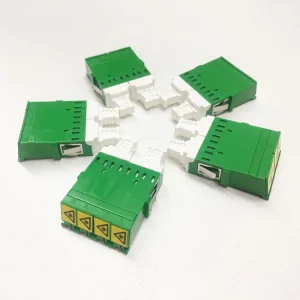
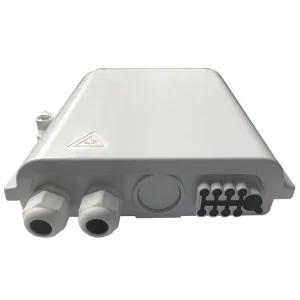
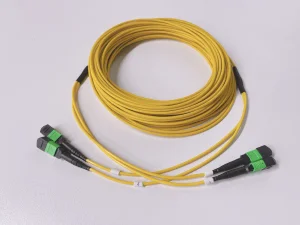
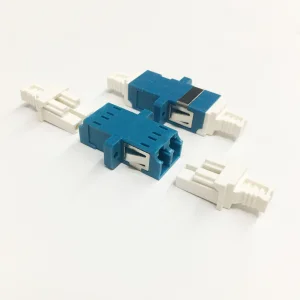
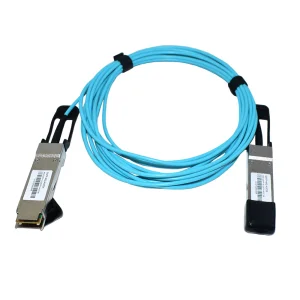
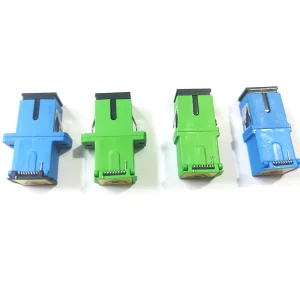
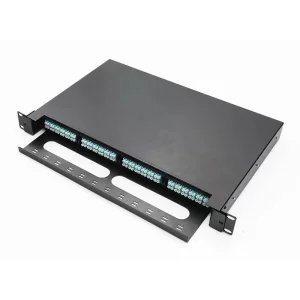
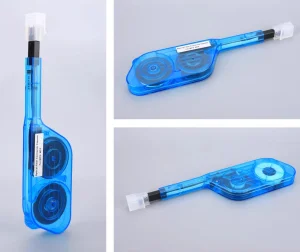
Browse our comprehensive portfolio of high-density optical patch panels, adapters, trunk cabling systems, and precision diagnostics tools manufactured at ISO9001-certified facilities.
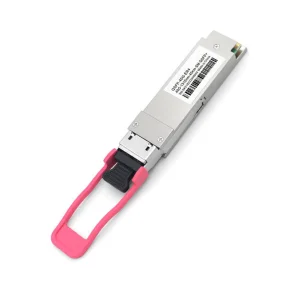
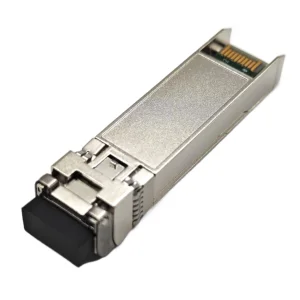
As data centers, telecom operators, and enterprise networks experience an unprecedented surge in traffic—driven by Artificial Intelligence, High-Performance Computing (HPC), and Edge deployments—the transition from legacy 10G SFP+ to 25G SFP28 optical modules represents the most cost-efficient upgrade path. Utilizing the same physical form factor as SFP+, SFP28 delivers 2.5 times the bandwidth without scaling up structural space or electrical footprint.
Understanding the core technology of the SFP28 (Small Form-factor Pluggable 28) transceiver is critical for procurement managers seeking optimized quotes from Chinese factories. The device is designed to run on a single lane at 25 Gbps, conforming strictly to the SFF-8431 and SFF-8472 MSA standards. This architecture allows organizations to bypass the complex lane-aggregation layouts associated with 40G QSFP+ transceivers, reducing physical network layer complexity and power budgets.
A standard 25G SFP28 optical module operates with a transmitter optical sub-assembly (TOSA) and a receiver optical sub-assembly (ROSA). These components process electrical signals into laser light and vice versa. SFP28 optics utilize two main laser variants depending on target link lengths:
Optimized for short distances (typically under 100 meters over OM4 multi-mode fiber). These devices represent the most cost-effective architecture for rack-to-rack interconnects in hyper-scale datacenters.
Tailored for medium to long-reach links up to 10km or 20km over G.652 single-mode optical fiber. Offers superior spectral purity and stability under demanding temperature fluctuations.
The frontier of optical engineering, integrating silicon substrates with laser arrays to lower costs, diminish thermal output, and achieve massive scale for upcoming 100G/400G migrations.
Furthermore, digital diagnostics monitoring (DDM / DOM) protocols integrated within the internal EEPROM microchip provide operators real-time tracking capabilities for essential variables such as optical output power, receiver sensitivity, operating temperature, and bias currents. This telemetry enables predictive maintenance in modern software-defined networks (SDN).
| Transceiver Standard | Form Factor | Maximum Data Rate | Encoding Scheme | Target Distances | Primary Industrial Use Case |
|---|---|---|---|---|---|
| 10G SFP+ SR | SFP+ | 10.31 Gbps | NRZ | Up to 300m (OM3) | Enterprise LAN / Storage Systems |
| 25G SFP28 SR | SFP28 | 25.78 Gbps | NRZ | Up to 100m (OM4) | Datacenter Leaf-Spine, 5G Fronthaul |
| 25G SFP28 LR | SFP28 | 25.78 Gbps | NRZ | Up to 10km (SMF) | 5G eCPRI RAN Transport Networks |
| 40G QSFP+ SR4 | QSFP+ | 41.25 Gbps | NRZ (4x 10G) | Up to 150m (OM4) | Legacy Core Switched Networks |
| 100G QSFP28 SR4 | QSFP28 | 103.1 Gbps | NRZ (4x 25G) | Up to 100m (OM4) | High-Density Switch Aggregation |
The global demand for optical transceivers hinges heavily on two factors: reliability and unit economics. Obtaining direct quotes from Chinese optical transceivers factories provides procurement entities with massive pricing leverage due to established raw material networks, localized semiconductor assembly facilities, and industrial-scale testing centers.
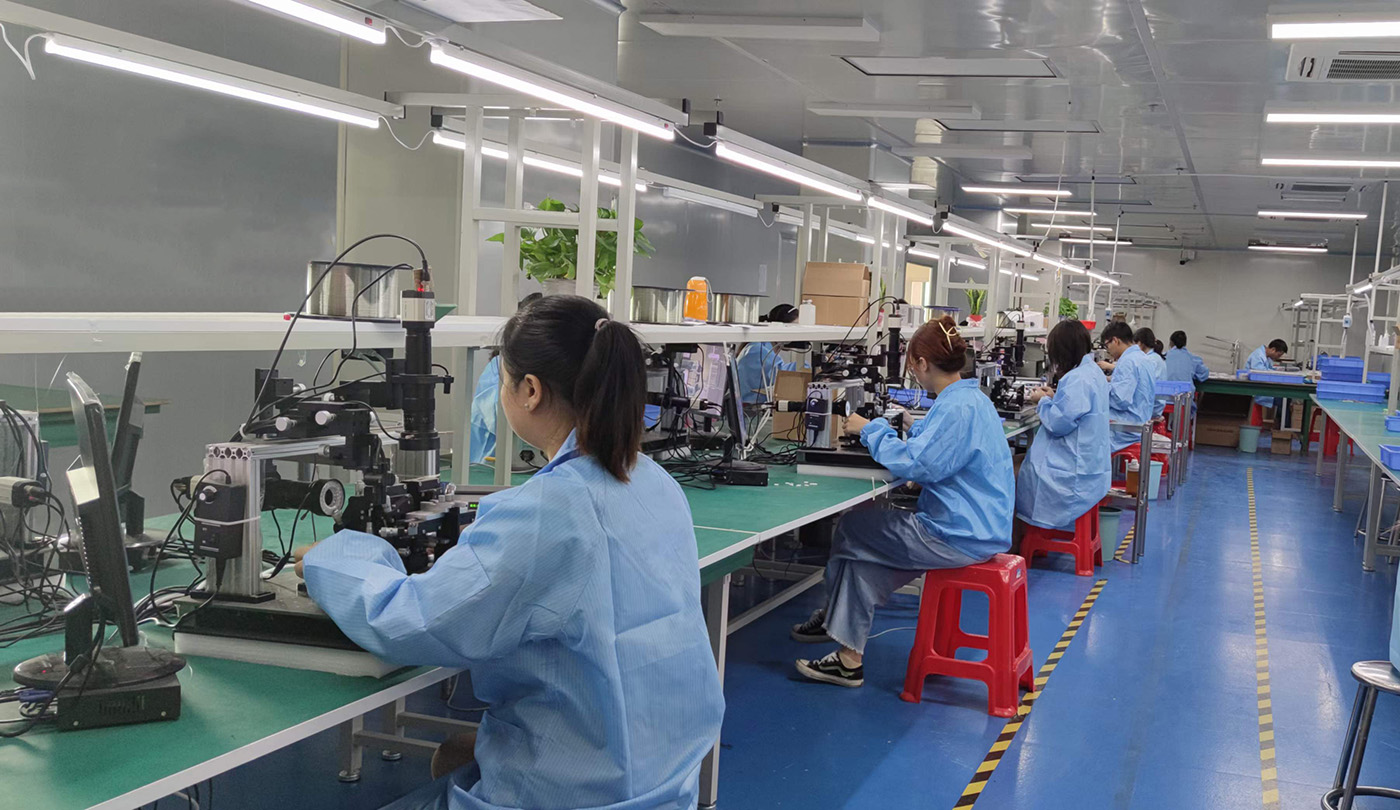
Chinese manufacturing ecosystems have evolved from basic components assembly to high-end vertical integration. By housing laser semiconductor dicing, optical sub-assembly (OSA) packaging, surface mount technology (SMT) for the printed circuit board, and rigorous software programming under one roof, factories like Kocent Optec can compress cycle times and pass substantial savings down the supply chain.
Furthermore, the geographic consolidation of components sourcing (such as high-grade plastic injection molding, ceramic ferrules, and metal die-cast enclosures) in key industrial hubs like Guangdong and Zhejiang guarantees that raw-material bottlenecks are minimized, even amidst complex macroeconomic conditions.

The practical deployment profiles for 25G SFP28 transceivers are highly localized, matching the specific topographical and regulatory conditions of global operators.
In mobile deployments, 25G SFP28 CPRI/eCPRI modules link the Remote Radio Unit (RRU) to the Building Baseband Unit (BBU). Industrial temperature variants (-40°C to 85°C) are crucial to withstand extreme external environments in telecom towers worldwide.
For next-gen enterprise datacenters, SFP28 enables top-of-rack (ToR) switch links directly to servers hosting virtualized machines. Active Optical Cables (AOC) and Direct Attach Copper (DAC) variants optimize cost and thermal structures inside tight server cabinets.
Large corporations utilize 25G to future-proof their building-to-building campus connections. By utilizing existing single-mode fiber plants with SFP28 LR transceivers, they scale up capacities without costly trenching or fiber layout upgrades.
The progression of optical speeds continues to accelerate. SFP28 serves as the structural building block for higher-density setups. The immediate evolution includes 50G SFP56 transceivers, which use PAM4 (Pulse Amplitude Modulation) signaling instead of NRZ to double data capacities within the same physical form factor.
Looking further ahead, silicon photonics integration and Co-Packaged Optics (CPO) architectures will reshape how high-speed channels interface. Kocent Optec continues to invest in research and development to align our physical plant capabilities with these impending shifts, ensuring that transition protocols for 100G, 400G, and 800G pathways are engineered into current hardware layouts.

Establish in 2012 in Hongkong as a hi-tech communication enterprise, Kocent Optec Limited is one of China's leading fiber optic termination product manufacturer and solution provider. We're dedicated to developing and manufacturing fiber optic communication products ranging from passive to active categories for telecommunication networks, enterprise networks and data centers.
By leveraging our extensive experience and excellent production capacity we gained over the years, we magnify the outcome for our valuable customers, which ultimately expands their core competencies and helps them outperform competitors. We place emphasis on customer collaboration, and we define ourselves as your valuable partner in fiber optic connection solutions. We believe our differentiators are your perceived advantages.
With more than 13 years of experience in manufacturing telecommunication fiber optic products, we follow strictly fiber optic industry standards by using mature scientific methods to deliver your products on time and ensure that 100% products are tested and inspected before shipment.
Years of sales and service experience have enabled us to win customers from different regions. Today, we have customers from East Asia, Southeast Asia, Middle East, Eastern Europe, Western Europe, Northern Europe, South America, North America, North Africa, and South Africa.
Win-win cooperation is our constant goal. Many our OEM and ODM products won the Telecom Operator tender and satisfy end-user request.
Our main terminal telecom operators and global network integrators trust Kocent Optec solutions to maintain high-uptime infrastructures:
Regulatory compliance is non-negotiable for enterprise networks deploying optical transceivers. Kocent Optec transceivers strictly adhere to international certifications, including CE, FCC, RoHS, and REACH, ensuring lead-free and hazardous-substance-free construction. All production processes align with the Telcordia GR-326-CORE specifications to ensure durability under thermal load.
To address configuration and compatibility issues, we maintain a dedicated Field Application Engineering (FAE) support team. Our engineers provide pre-shipment compatibility validation using host switches from major brands (Cisco, Arista, Juniper, HPE, Huawei), eliminating configuration issues before modules arrive at your datacenters.
Pricing is primarily influenced by transmission distance requirements, temperature grades, and compatibility licensing. Multimode (SR) transceivers targeting short distances utilize low-cost VCSEL lasers and are generally the most affordable. Long-distance transceivers (LR, ER, or CWDM/DWDM) require high-grade DFB or EML lasers, coupled with hermetic packaging, which drives costs up. Ordering directly from a Chinese factory lowers cost margins through batch optimization.
Our transceivers are configured with EEPROM codings customized to simulate the exact protocol requirements of specified target hardware (including Cisco, Arista, Juniper, Dell, and HP). Our QA facilities house a dedicated switch matrix to verify compatibility and error-free operation prior to packing.
While sharing identical mechanical measurements, the SFP28 physical interface is redesigned with high-speed internal lines to carry signals up to 28 Gbps (representing a 25 Gbps payload with error-correction overhead). Standard SFP+ transceivers are limited to 10 Gbps and cannot scale up to 25G without causing protocol errors.
Yes. Kocent Optec offers extensive ODM and OEM packaging designs. Clients can request customized label layouts, specific DDM profile adjustments, variable cable pull-tab colors, and bespoke casing structures to meet branding or internal tracking requirements.
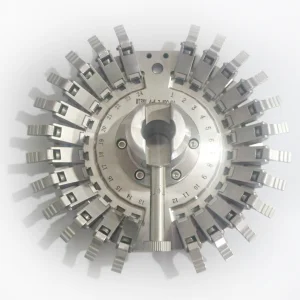
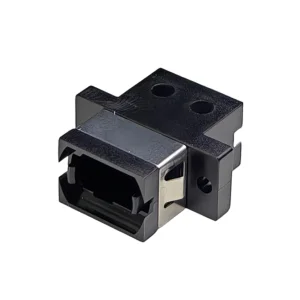
Explore our high-performance optical active transceivers, polishing jigs, adaptors, and tools engineered to optimize telecom network performance.
 KOCENT OPTEC