Explore our production-ready series of high-density passive fiber optics, adapters, transceivers, and direct-attach assemblies.
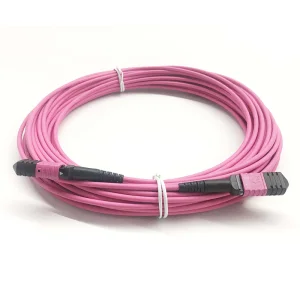
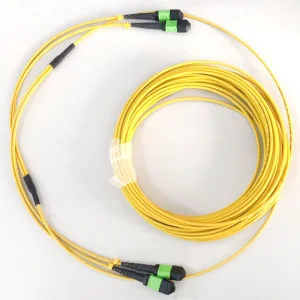
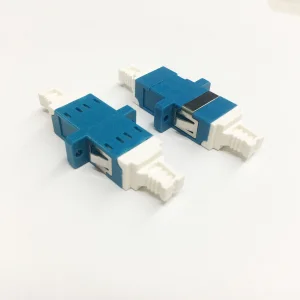
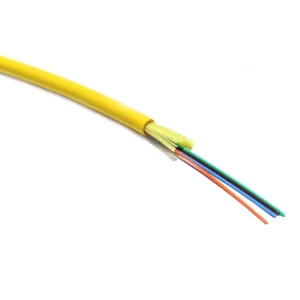
An in-depth guide to technical specifications, cost efficiencies, and strategic supply chains of Direct Attach Cables (DACs) for global data center deployments.
In an era dominated by High-Performance Computing (HPC), Artificial Intelligence (AI) training clusters, and hyperscale cloud environments, data density requirements are growing exponentially. Modern IT architectures demand reliable, high-bandwidth interconnects with minimal latency. Direct Attach Cables (DACs)—incorporating copper twinaxial assemblies with fixed transceivers at either end—have surfaced as the primary hardware interface for short-reach, high-density server-to-switch networks.
Globally, hardware procurement professionals prioritize Direct Attach Cables because of their extreme structural reliability and economic viability. Unlike optical transceivers, passive DAC assemblies do not contain active lasers, microcontrollers, or complex optoelectronic conversion circuitry. This passive state simplifies signaling mechanisms, resulting in latency close to zero nanoseconds, making them the default option for Top-of-Rack (ToR) configurations.
By bypassing the electro-optical conversion cycle required by fiber optics, DACs operate purely at the physical electrical layer. For latency-sensitive clusters (such as algorithmic financial trading networks and real-time machine learning inference engines), DACs eliminate critical nanosecond delays, securing a structural competitive edge.
To support network architects in selecting hardware, it is critical to compare Direct Attach Copper (DAC) configurations with Active Optical Cables (AOC) and Discrete Optical Transceivers. Each topology presents unique tradeoffs across length, power consumption, thermal properties, and total cost of ownership (TCO).
| Feature Parameter | Passive Direct Attach Copper (DAC) | Active Optical Cable (AOC) | Optical Transceivers + Patch Cables |
|---|---|---|---|
| Max Transmission Distance | Up to 7 Meters (speed dependent) | Up to 100+ Meters | From 100 Meters to 40 Kilometers |
| Power Consumption | < 0.1 Watts (negligible) | 1.0W to 2.5W per end | 3.5W to 5.5W+ per module |
| Signal Conversion Latency | Near-Zero (pure electrical path) | Low (with optical conversion delay) | Medium (optical conversion & DSP) |
| Total Deployment Cost (TCO) | Very Low (Highly Cost-Efficient) | Medium | High (High equipment overhead) |
| Electro-Magnetic Immunity | Shielded (requires good EMI design) | Immune (optical transmission path) | Immune (optical transmission path) |
In wholesale purchasing, the term "cheap" must align with strict Quality Rater guidelines: it refers to optimized manufacturing processes and structural efficiency, not reduced product quality. Industrial sourcing directors seek partners capable of delivering value-engineered, high-performance Direct Attach Copper assemblies at competitive prices without sacrificing electrical integrity.
A cost-optimized direct-attach cable supplier achieves competitive pricing by optimizing two core operations:
High-precision automated laser welding machines bond fine-gauge twinaxial conductors (from 24AWG to 30AWG) to PCB pads. Automation minimizes human error and reduces return rates.
Establishing direct long-term raw material contracts protects operations from commodity market volatility. This stability ensures reliable pricing models for wholesale enterprise clients.
Writing customized, vendor-specific firmware directly into the EEPROM signature chip guarantees compatibility with hardware from Cisco, Juniper, Mellanox, Dell, and Arista.
By streamlining these manufacturing steps, suppliers can lower product costs while maintaining full compliance with Multi-Source Agreement (MSA) standards and Telcordia specifications.
Established in 2012 in Hong Kong as a high-tech communication enterprise, Kocent Optec Limited has grown to become one of China's leading fiber optic termination product manufacturers and solution providers. We are dedicated to developing and manufacturing high-density fiber optic communication products, ranging from passive components to active solutions for telecommunication networks, enterprise infrastructure, and modern data centers.
Leveraging years of production expertise and scale, we enhance outcomes for our customers, expanding their core competencies and helping them outperform competitors. We emphasize deep collaborative partnerships, positioning ourselves as a valuable resource for fiber optic connectivity and high-speed cabling solutions. Our differentiators are designed to translate directly into competitive advantages for your business.
With more than 13 years of manufacturing experience, we adhere strictly to international fiber optic industry standards. Using proven scientific methods, we ensure timely delivery of your projects while maintaining a 100% inspection and testing guarantee on all components before shipment.

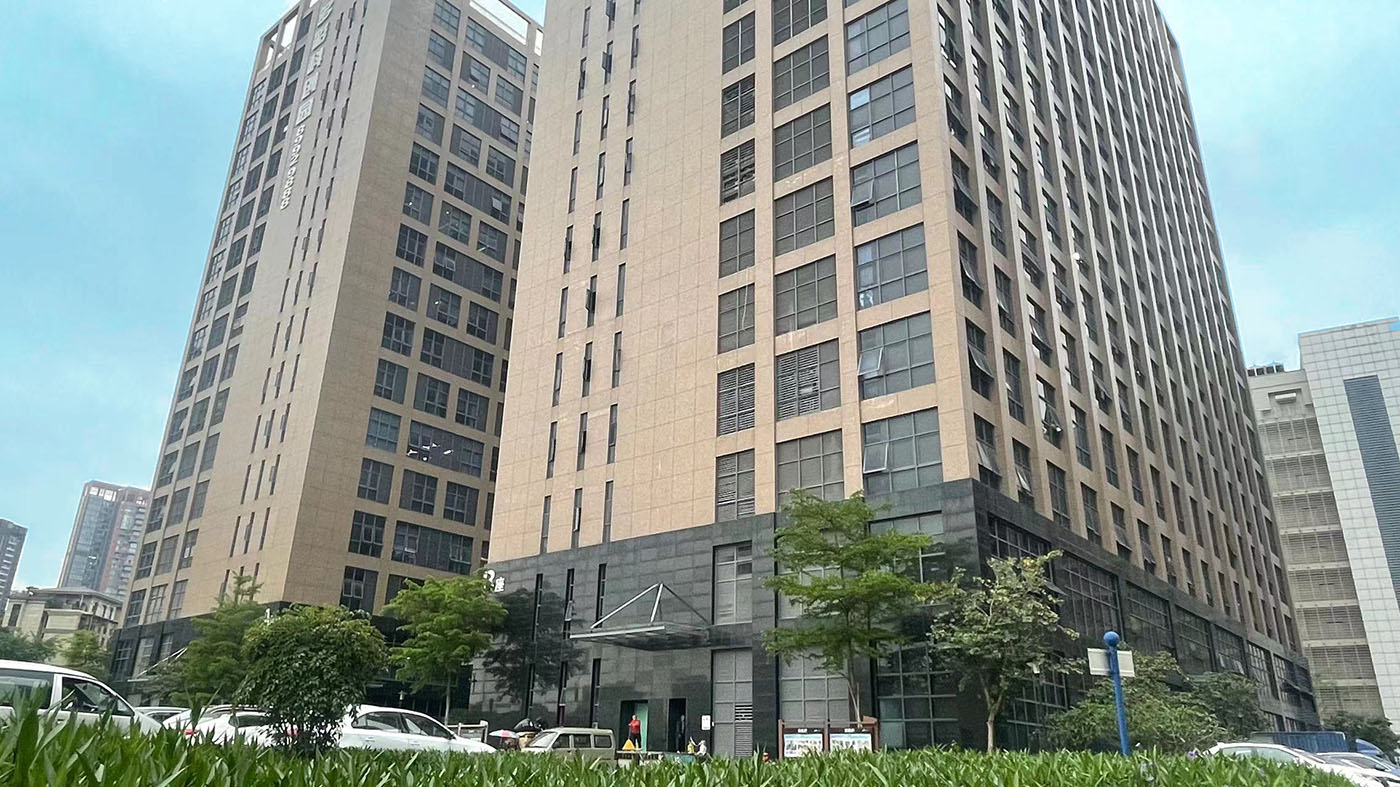
China’s industrial infrastructure provides significant supply chain advantages for manufacturing high-speed networking equipment, particularly in the Shenzhen and Hong Kong electronics clusters.
Industrial Integration: High-performance copper wire extruders, high-speed connector manufacturers, and precision PCB fabricators are co-located in the same industrial ecosystem. This geographical proximity reduces component transit times from days to hours, accelerating overall production cycles.
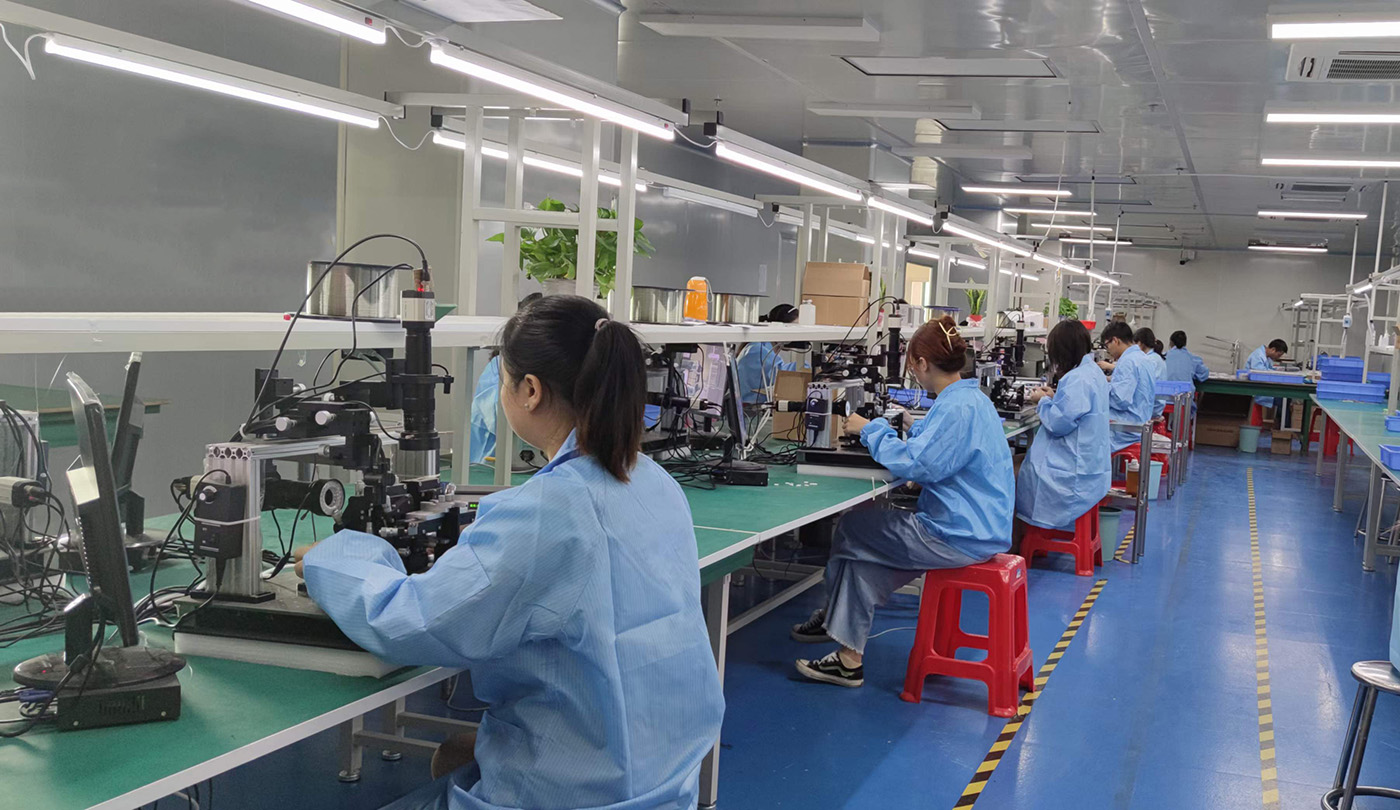
Advanced Quality Control: Modern production facilities utilize automated testing equipment, including Agilent/Keysight vector network analyzers, digital sampling oscilloscopes, and automated visual inspectors. This testing ensures that every cable assembly matches or exceeds industry performance standards.
Engineered Customization: In-house engineering teams can quickly design customized options, such as specialized wire gauges (24AWG to 30AWG), custom outer jacket ratings (LSZH, PVC, OFNP), and vendor-specific EEPROM programming to ensure seamless compatibility with host platforms.
At Kocent Optec Limited, we subject our products to rigorous testing before shipment. By using advanced testing instruments, we ensure our direct attach cables and fiber assemblies deliver minimal insertion loss, low return loss, and clean eye diagrams.
This focus on quality control allows us to meet the requirements of telecommunications networks and modern hyperscale data centers worldwide.
High-speed cabling solutions are used in various environments, each with specific requirements:
Hyperscale Cloud Data Centers: Used for Top-of-Rack (ToR) switch-to-server interconnects. Choosing copper DAC assemblies reduces energy usage and cooling requirements compared to optical options.
Telecommunications Central Offices: Essential for linking access routers and distribution nodes in 5G baseband stations, where low physical latency is critical.
Enterprise Storage Area Networks (SAN): Provides high-speed links between servers and high-density disk arrays, ensuring consistent throughput for data storage and recovery.
High-Frequency Trading (HFT): Relies on the direct electrical path of passive copper to achieve minimal transmission latency.
Our years of sales and service experience have helped us build a global customer base across East Asia, Southeast Asia, the Middle East, Europe, the Americas, and Africa.
Our OEM and ODM products have won contracts with tier-1 telecom operators and meet strict end-user specifications. We focus on win-win cooperation and long-term partnerships.
The networking industry continues to evolve, pushing interconnect requirements forward:
Transition to 400G and 800G Architectures: High-density architectures are moving from NRZ signaling to PAM4 modulation, which doubles data transmission rates. This transition requires enhanced shielding in copper assemblies to prevent signal degradation.
Shorter Copper Reach Limits: Higher signaling frequencies increase signal attenuation, reducing the effective length of passive copper cables to 1-3 meters for 400G/800G. As a result, active copper (ACC/AEC) and active optical cables (AOCs) are being deployed for longer runs.
Focus on Sustainability: High-density data centers are monitoring thermal output and energy consumption. Passive Direct Attach Copper cables remain a key component of green data center strategies because they do not require external power to operate.
Get authoritative answers on Direct Attach Cables (DACs), compatibility, material standards, and custom manufacturing processes.
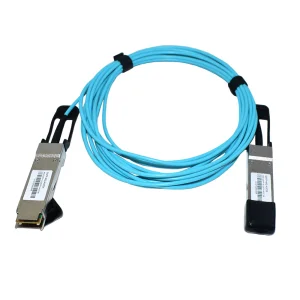
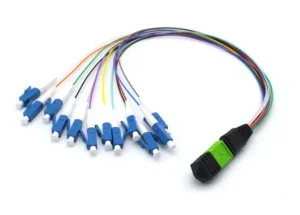
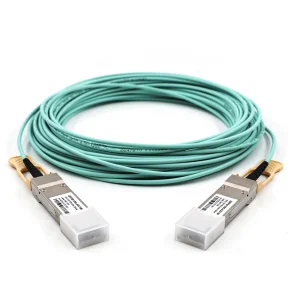
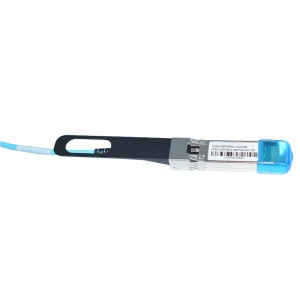
Explore our active optical cables, breakout assemblies, and media adapters designed for high-density environments.
 KOCENT OPTEC