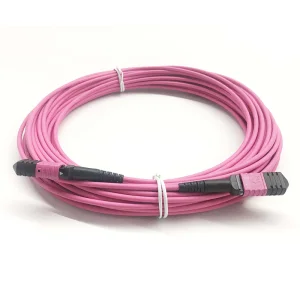
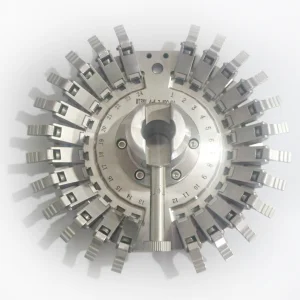
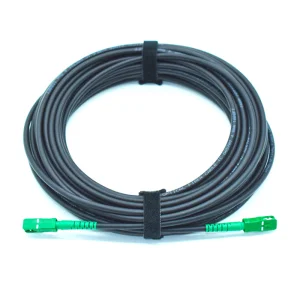
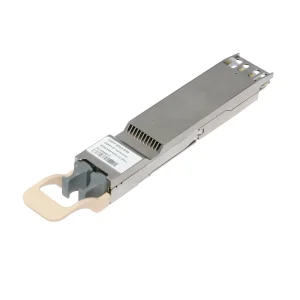
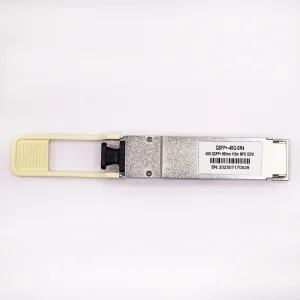
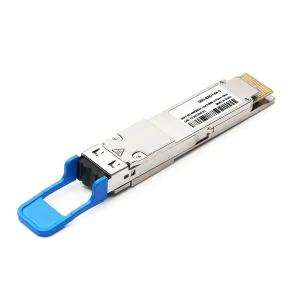
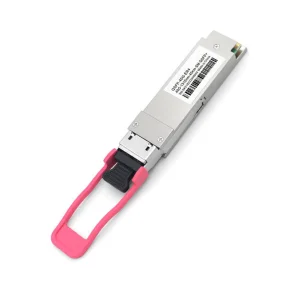
Direct supply and customizable network architecture products engineered for low latency and optimal throughput.
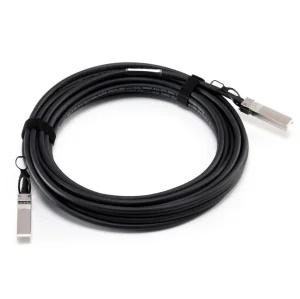
Direct Attach Copper (DAC) cables, particularly the 10G SFP+ twinax variants, serve as the backbone of modern Top-of-Rack (ToR) deployment structures in hyper-scale data centers. Utilizing twinaxial copper cables, these configurations connect directly to SFP+ ports, delivering a power-efficient alternative to optical transceivers. By mitigating the need for optical-to-electrical conversions, DAC cables minimize power consumption—drawing less than 0.1W per port—which in turn reduces cooling requirements and operation expenses (OPEX).
Information Gain: While many sourcing agents focus purely on unit price, structural parameters such as Wire Gauge (AWG) selection, vendor programming compatibility, and minimum bend radius are the metrics that dictate enterprise network uptime.
A high-quality 10G SFP+ DAC cable comprises two shield twinax copper pairs. The cable diameter typically ranges from 30 AWG to 24 AWG. Sourcing the correct AWG is critical: thinner 30 AWG cables are preferred for shorter reaches (0.5m to 2m) due to their elasticity and ease of management, whereas longer reaches (5m to 7m) require thicker 24 AWG cores to combat signal attenuation. In high-density environments, balancing structural rigidity with adequate bend radius ensures continuous performance without signal packet drops.
How are 10G DAC cables deployed in local industrial settings? Let's review the main application frameworks:
Kocent Optec Limited establish in 2012 in Hongkong as a hi-tech communication enterprise, is one of China's leading fiber optic termination product manufacturer and solution provider.
We're dedicated to developing and manufacturing fiber optic communication products ranging from passive to active categories for telecommunication networks, enterprise networks and data centers.

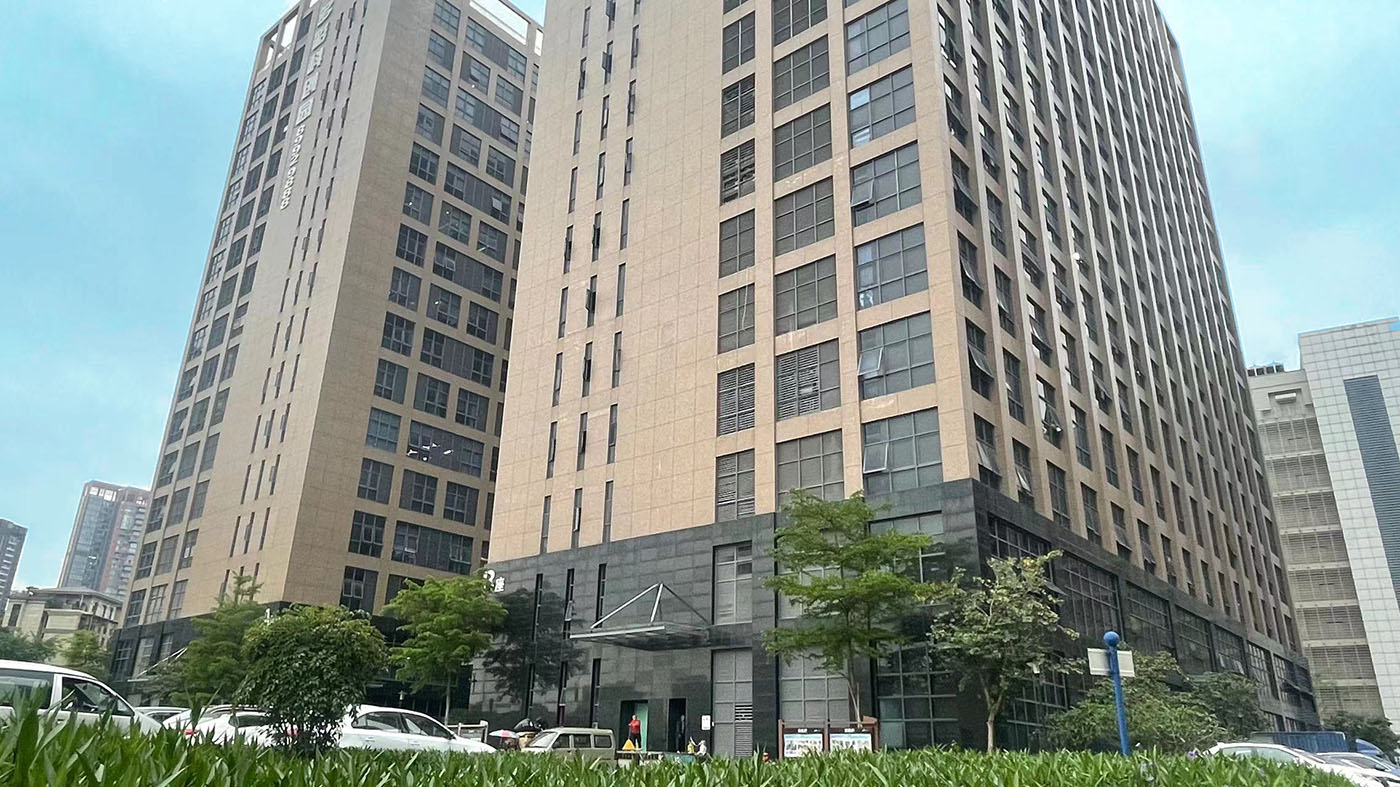
By leveraging our extensive experience and excellent production capacity we gained over the years, we magnify the outcome for our valuable customers, which ultimately expands their core competencies and helps them outperform competitors.
We place emphasis on customer collaboration, and we define ourselves as your valuable partner in fiber optic connection solutions. We believe our differentiators are your perceived advantages.
The concentration of raw material processors, precision machinery factories, and active testing facilities in China's industrial zones (such as Shenzhen and Ningbo) makes it a critical supply node. By maintaining local partnerships with copper alloy suppliers, packaging plants, and testing equipment houses, factories like Kocent Optec can insulate themselves against global supply line disruptions.
This localized supply chain results in a competitive pricing structure. From a procurement standpoint, a standard 1m 10G SFP+ DAC cable ranges from $4.50 to $7.00 USD at the factory gate, depending on order size and compatibility requirements. Compared to Western alternatives with long shipping lead times, China-based production models maintain high component availability and fast shipment turnarounds.
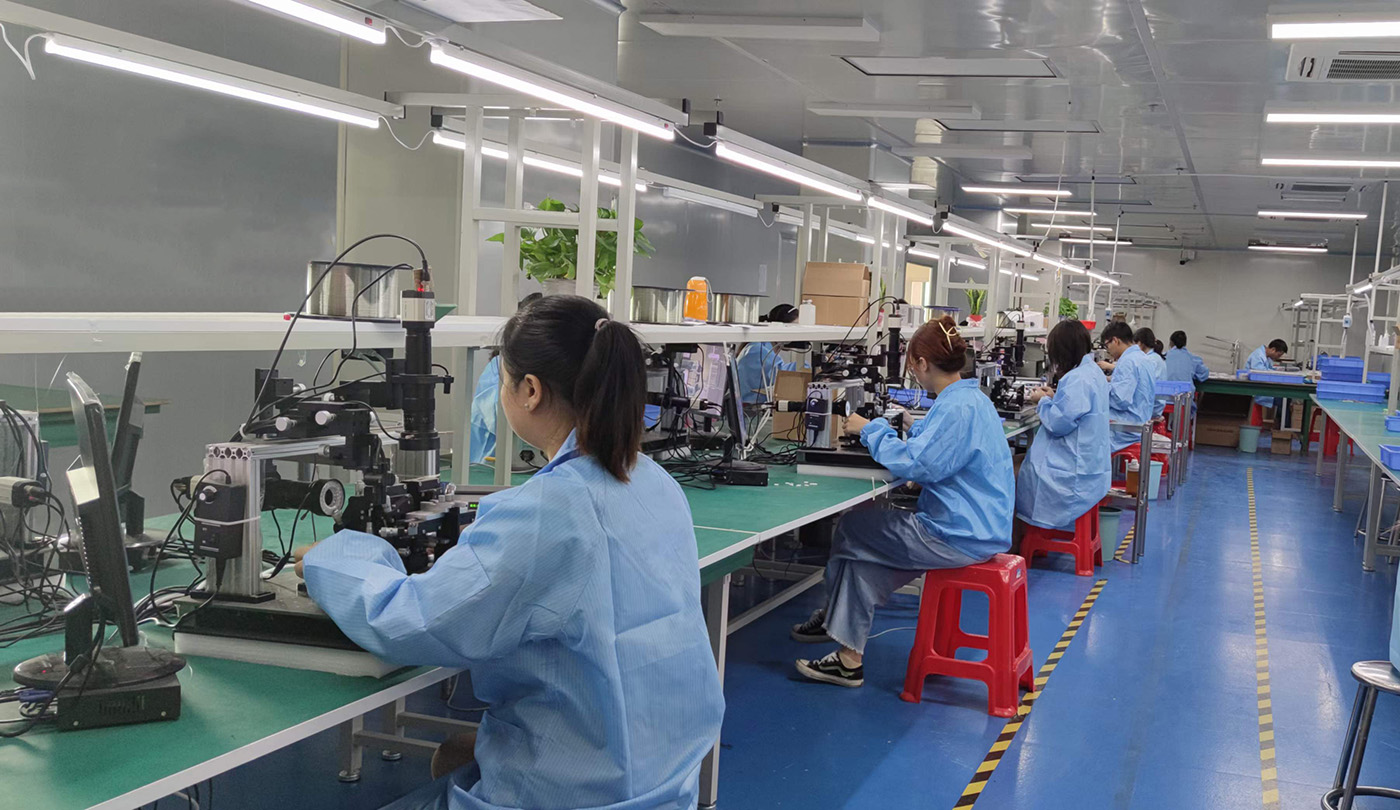
With more than 13 years of experience in manufacturing telecommunication fiber optic products, we follow strictly fiber optic industry standards by using mature scientific methods to deliver your products on time and ensure that 100% products are tested and inspected before shipment.
The path forward for direct attach cabling involves moving past the 10G limit toward 25G (SFP28), 100G (QSFP28), and the latest 400G/800G form factors. As transmission rates grow, active copper configurations—incorporating DSP (Digital Signal Processing) chips inside the transceiver—are increasingly deployed to extend copper reaches up to 5 meters. This allows system engineers to maintain a copper-based architecture without immediately investing in more expensive optical links.
Years of sales and service experience have enabled us to win customers from different regions. Today, we have customers from East Asia, Southeast Asia, Middle East, Eastern Europe, Western Europe, Northern Europe, South America, North America, North Africa, and South Africa.
Win-win cooperation is our constant goal. Many our OEM and ODM products won the Telecom Operator tender and satisfy end-user request.
Our main terminal telecom operators include: SingTel, Vodafone, America Movil, Telefonica, Bharti Airtel, Orange, Telenor, VimpelCom, TeliaSonera, Saudi Telecom, MTN, Viettel, Bitel, VNPT, Laos Telecom, MYTEL, Telkom, Telekom, Entel, FiberTel, StarFiber, Ooredoo, Beeline, Azercell.
Passive DAC cables do not contain active electronics for signal conditioning and rely on the host system to equalize signals. They are typically used for links under 5 meters. Active DAC cables contain built-in signal boosters and equalizers to reach longer distances (up to 10m) using thinner copper wire.
Wire gauge determines copper core thickness. A larger AWG number represents a thinner wire (e.g., 30 AWG). Thinner wires are highly flexible but suffer from higher attenuation, limiting them to shorter lengths. Thicker wires (e.g., 24 AWG) are stiffer but support longer distances by maintaining signal integrity.
Yes, our DAC cables can be programmed at the factory to be compatible with major network hardware providers, including Cisco, Arista, Juniper, HPE, and Dell, ensuring seamless multi-vendor integration.
DAC cables are cost-effective, consume virtually no power (under 0.1W), and feature low latency because they avoid electrical-to-optical conversion. This makes them ideal for connection points within the same rack.
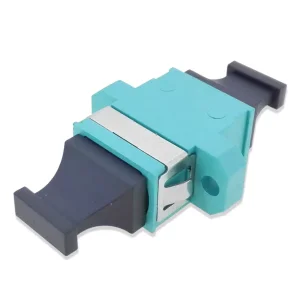
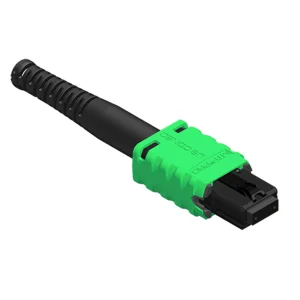
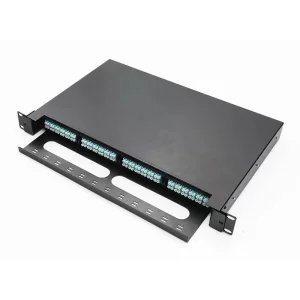
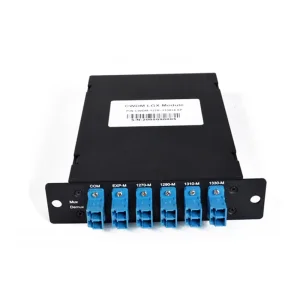
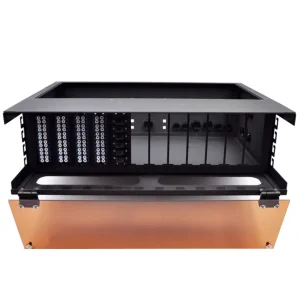
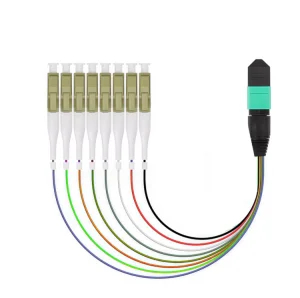
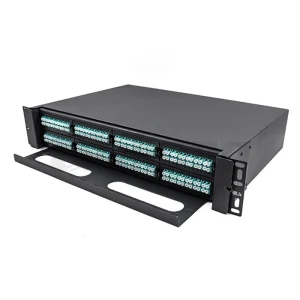
Complementary infrastructure components, including patch cords, adapters, and high-density fiber frames, for data centers.
 KOCENT OPTEC