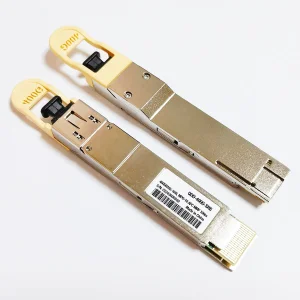
The global telecommunication landscape is undergoing a monumental architectural shift, driven by the relentless demands of high-bandwidth cloud computing, 5G wireless fronthaul deployments, and high-frequency trading networks. Within this infrastructure evolution, the 25G SFP (specifically SFP28) transceiver has emerged as the definitive benchmark interface for next-generation systems. Serving as the logical heir to legacy 10G SFP+ systems, SFP28 optics enable enterprise networks, telcos, and cloud service providers to scale their bandwidth by a factor of 2.5 without disproportionately scaling power consumption, cabling footprints, or thermal profiles.
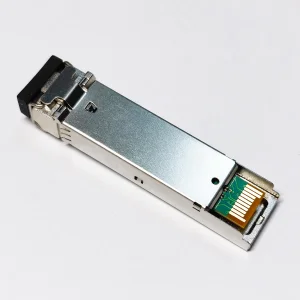
Currently, the industrial adoption of 25G transceivers is propelled by the consolidation of enterprise core infrastructure and the global roll-out of 5G RAN (Radio Access Network) architectures, specifically conforming to the eCPRI (Enhanced Common Public Radio Interface) specifications. SFP28 transceivers employ Single-Lane 28Gbps serialization/deserialization (SerDes) technologies, operating at 25.78Gbps to easily support standard 25GbE requirements, and up to 28.03Gbps for OTN (Optical Transport Network) encapsulation. This high-efficiency design has led to widespread commercial deployment, making 25G transceivers the backbone of modern Top-of-Rack (ToR) and Leaf-Spine data center topologies globally.
The design paradigm of 25G SFP transceivers is shifting toward silicon photonics co-packaging and multi-wavelength architectures. While SFP28 originally relied on discrete optical components (TOSA/ROSA configurations housing VCSEL or DFB lasers), modern production lines in leading Chinese optical hubs are integrating advanced Silicon Photonics (SiPh) engines. This transition drastically reduces component counts, mitigates coupling loss, and significantly boosts reliability under high-temperature stress environments.
Looking to the future, the technical roadmap of 25G transceivers bifurcates into direct evolution and higher-speed integration:
By leveraging 4-level Pulse Amplitude Modulation (PAM4), future 25G interfaces will scale toward 50G and 100G per lane, while maintaining backward SFP28 structural compatibility. SFP28 transceivers currently utilize NRZ (Non-Return-to-Zero) modulation to ensure lowest latency for latency-sensitive applications.
The push for 5G Open RAN calls for SFP28 transceivers capable of withstanding extreme environmental changes. I-Temp SFP28 modules operation ranges from -40°C to +85°C, requiring premium hermetic seal housings and EML lasers rather than commercial DML variants.
Bidirectional (BIDI) single-fiber SFP28 optical modules minimize infrastructure cost by doubling physical fiber capacity. Additionally, Coherent technology is trickling down to high-distance SFP28 modules (DWDM), allowing over 80km transmission without active amplification.
In modern optical networking, 25G SFP transceivers do not operate in a vacuum. Instead, they serve as the crucial connection points in wider system topologies, interfacing with high-density fiber arrays, MPO patch panels, and ruggudized outdoor base stations. Understanding their localized configurations is crucial to designing high-availability networks.
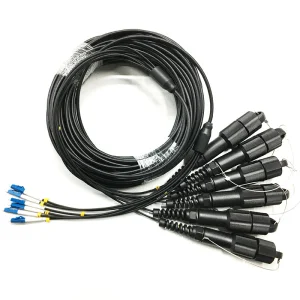
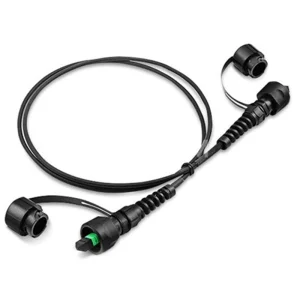
In 5G networks, SFP28 transceivers are installed in Baseband Units (BBUs) and Remote Radio Units (RRUs). The link requires outdoor field-grade fiber assemblies like the PDLC Outdoor Field Fiber Optic Patch Cord for BBU Base Stations to protect against moisture and vibration, ensuring stable eCPRI protocol transmissions over distances from 300m up to 10km.
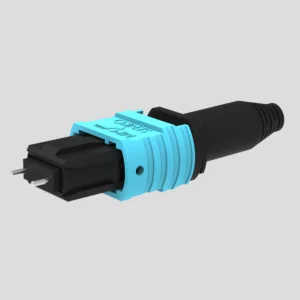
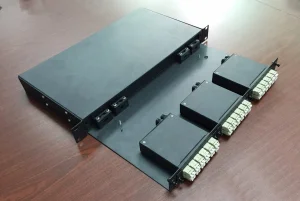
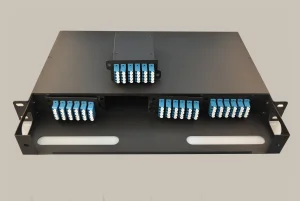
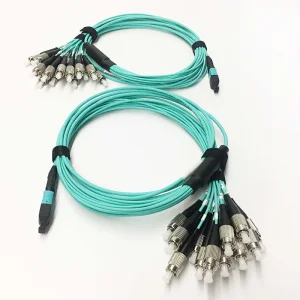
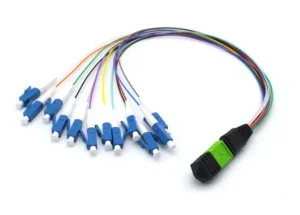
High-density data centers require structured cabling to optimize airflow and space. Here, 100G ports on Spine switches are split into 4x25G links. This breakout routing interfaces directly with 25G SFP28 cards in Leaf servers. Systems like the 1U 72 Ports MTP MPO Rack-mount Patch Panel provide the patch interface needed to handle thousands of optical connections without signal degradation.
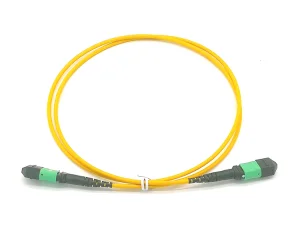
Enterprise WAN structures use 25G transceivers to bridge core switches across campus environments. Utilizing single-mode fibers with MTP/MPO connectors, networks can support high-speed virtualization workloads and low-latency storage area networks (SAN) over multi-kilometer distances.
When reviewing prices from Chinese SFP factories, it is essential to align costs with exact optical specifications. The table below outlines key variables that influence pricing and performance during procurement cycles.
| Transceiver Type | Wavelength (nm) | Fiber Mode & Distance | Connector Type | Laser Source Type | Industrial Applications |
|---|---|---|---|---|---|
| 25G SFP28 SR | 850nm | MMF (OM3/OM4) | Up to 100m | Duplex LC | VCSEL | ToR Switch-to-Server, Short-reach LAN |
| 25G SFP28 LR | 1310nm | SMF (G.652) | Up to 10km | Duplex LC | DFB | 5G Fronthaul, Enterprise Campus Backbone |
| 25G SFP28 ER | 1310nm / CWDM | SMF (G.652) | Up to 40km | Duplex LC | EML + APD | Metro Area Network (MAN), Long-Haul Telco |
| 25G SFP28 BIDI | 1270nm-TX / 1330nm-RX | Single Strand SMF | Up to 20km | Simplex LC | DFB / EML | Fiber-constrained 5G RAN deployments |
Established in 2012 in Hong Kong as a high-tech communication enterprise, Kocent Optec Limited has grown to become one of China’s leading fiber optic termination product manufacturers and solution providers. We are dedicated to developing and manufacturing high-performance fiber optic communication products ranging from passive components to active optoelectronics for telecommunication networks, enterprise infrastructures, and hyper-scale data centers.
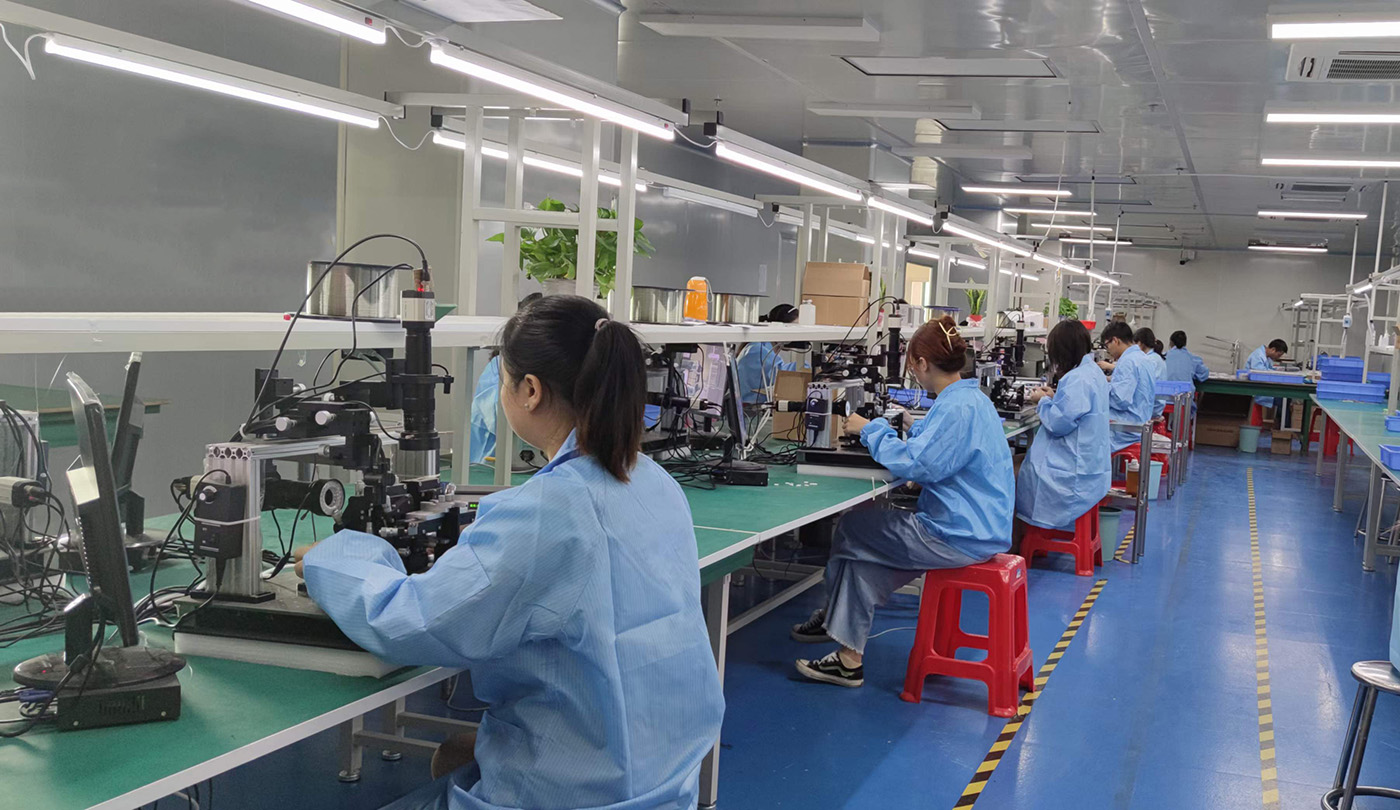
With over 13 years of technical and manufacturing expertise, we strictly adhere to international fiber optic industry standards. Using mature, scientifically validated testing methods, we deliver your projects on time and ensure that 100% of our products are fully tested and inspected before shipment.
By leveraging our extensive experience and scalable production capacity, we optimize procurement costs for our global customers, helping them expand their core competencies and outperform competitors. We place a strong emphasis on joint engineering collaboration, defining ourselves as a trusted partner in long-term fiber optic connection solutions.

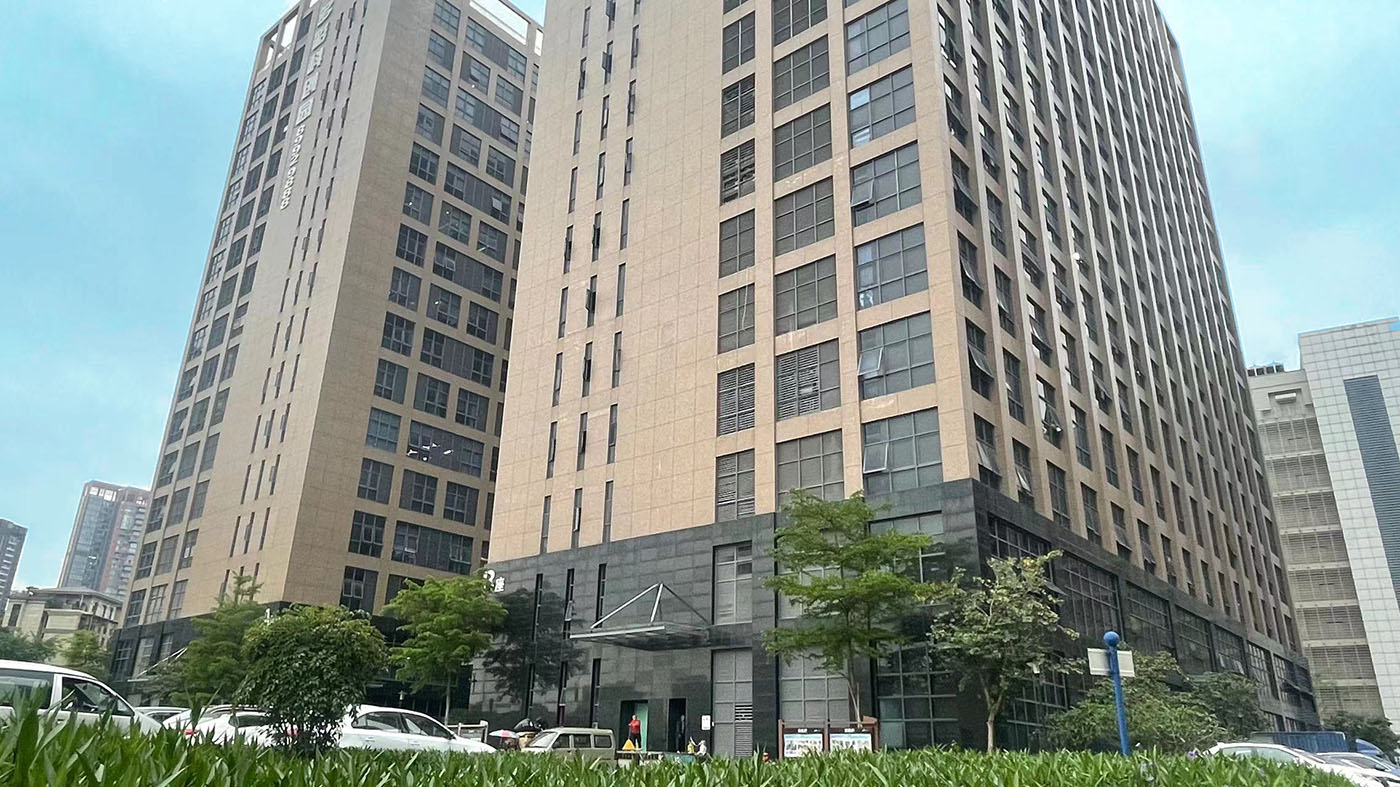
Years of sales, engineering support, and reliable service have enabled Kocent Optec to build a global client base. Today, we supply networks in East Asia, Southeast Asia, the Middle East, Eastern Europe, Western Europe, Northern Europe, South America, North America, North Africa, and South Africa.
Win-win cooperation is our constant goal. Many of our OEM and ODM products have won Telecom Operator tenders and satisfy strict end-user specifications across different environments.
Our main terminal telecom operators include:
Although they share the same physical form factor, SFP+ is designed for 10Gbps operation, whereas SFP28 is designed to support 25Gbps lanes. SFP28 features enhanced electrical and physical specifications (complying with SFF-8431/SFF-8472) to mitigate cross-talk and signal loss at higher frequencies. SFP28 ports are usually backward compatible with SFP+ transceivers, running them at 10Gbps.
At 25Gbps speeds, NRZ electrical signals experience higher degradation over standard copper and optical links. FEC (specifically IEEE 802.3by RS-FEC or BASE-R FEC) is used to detect and correct bit errors without retransmitting data packets. When sourcing 25G transceivers, ensure your switches and optics support matching FEC configurations to prevent link-up failure.
Leading factories like Kocent Optec employ dedicated compatibility programming stations. By reading the EEPROM (Electrically Erasable Programmable Read-Only Memory) data, engineers modify the vendor code, serial numbers, and check-sums to comply with the MSA (Multi-Source Agreement) requirements of OEMs such as Cisco, Juniper, Arista, and HP. This guarantees 100% compatibility while avoiding high OEM markups.
Pricelist tiers vary based on the laser component (VCSEL vs DFB/EML), reach (100m, 10km, 40km), and operating temperature class (Commercial 0-70°C vs Industrial -40 to 85°C). Volume contracts, raw material indices, and customization requirements (such as custom coding or private labeling) also affect price. Contact our sales department to receive a current, customized quote and bulk pricing matrix.
 KOCENT OPTEC