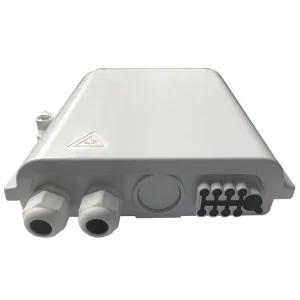
Explore our top-tier active and passive fiber optic transmission components, engineered to meet strict international standards and optimize signal integrity.
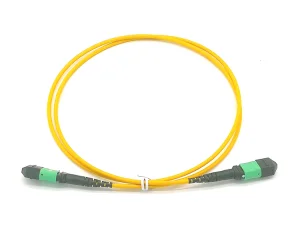
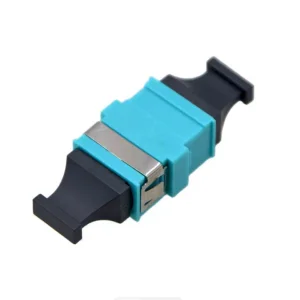
All-Dielectric Self-Supporting (ADSS) fiber optic cables represent a milestone in critical utility communication grids. By omitting metallic structural components, ADSS cables are designed to coexist safely alongside high-voltage transmission lines, operating within high electromagnetic fields without risk of electrical conduction or lightning damage.
In modern optical layouts, ADSS is a key component for telecommunications operators and utility providers. It facilitates rapid, cost-effective aerial network rollouts by leveraging existing power line easements. This eliminates the need for trenching, permitting, or additional messenger wires, reducing deployment times and CapEx requirements.
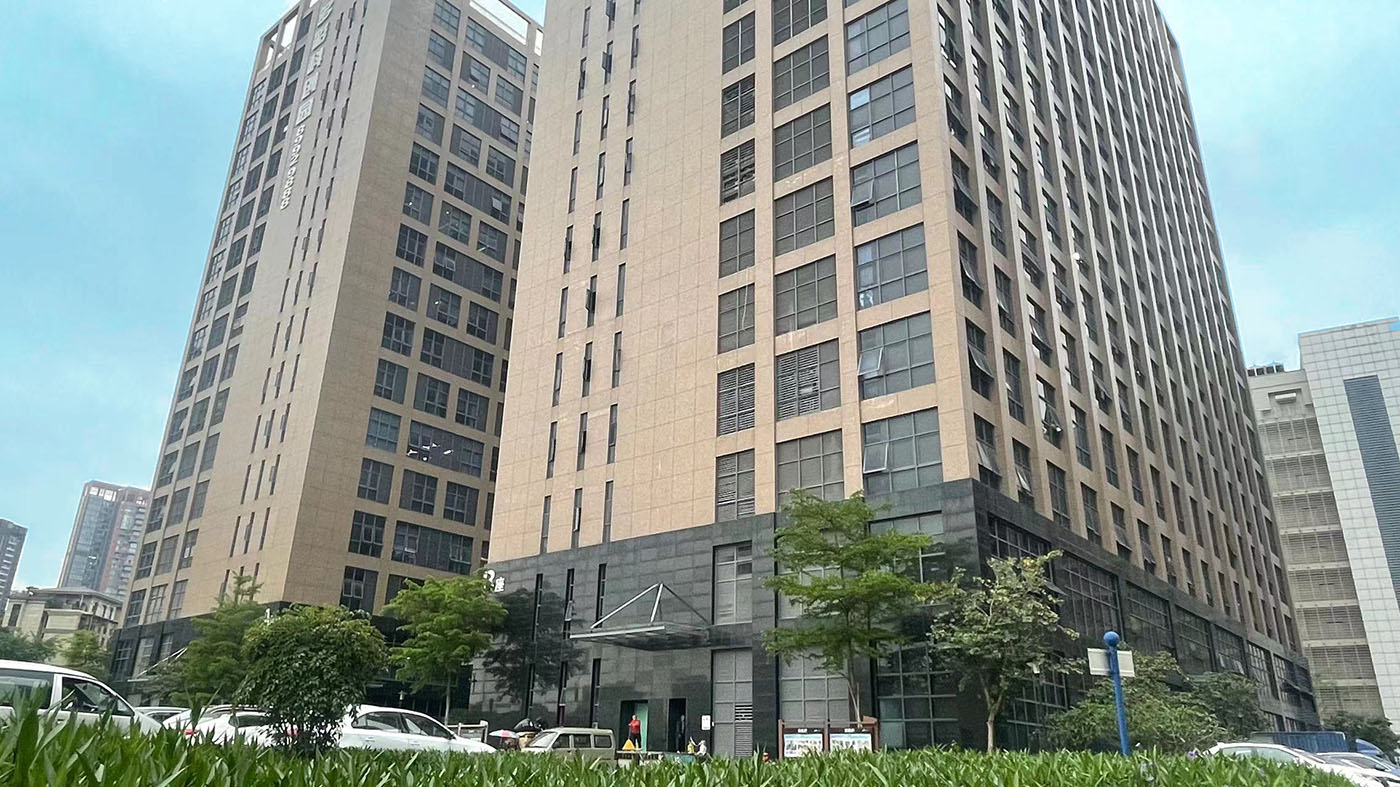
Kocent Optec Limited, established in 2012 in Hong Kong as a hi-tech communication enterprise, stands as one of China's leading fiber optic termination product manufacturers and solution providers.
We are dedicated to developing and manufacturing high-specification fiber optic communication products ranging from passive components to active optoelectronic systems. Our product portfolio serves telecommunication carrier networks, regional enterprise grids, and hyperscale data centers worldwide.
Leveraging our extensive engineering experience and manufacturing capacity, we help our customers expand their core competencies and stay competitive. We emphasize close collaboration and define ourselves as a strategic partner in fiber optic connection solutions.

With more than 13 years of experience in manufacturing telecommunication fiber optic products, we strictly follow international industry standards (including IEEE 1222, IEC 60794, and ITU-T). We use mature scientific testing and quality control processes to ensure that all products are 100% tested, inspected, and validated before shipping.
Our Quality Management Systems (QMS) monitor the structural integrity of our cables, verifying properties such as glass fiber attenuation values, tracking resistance of jackets, tension tolerances of aramid yarns, and performance under extreme weather conditions.
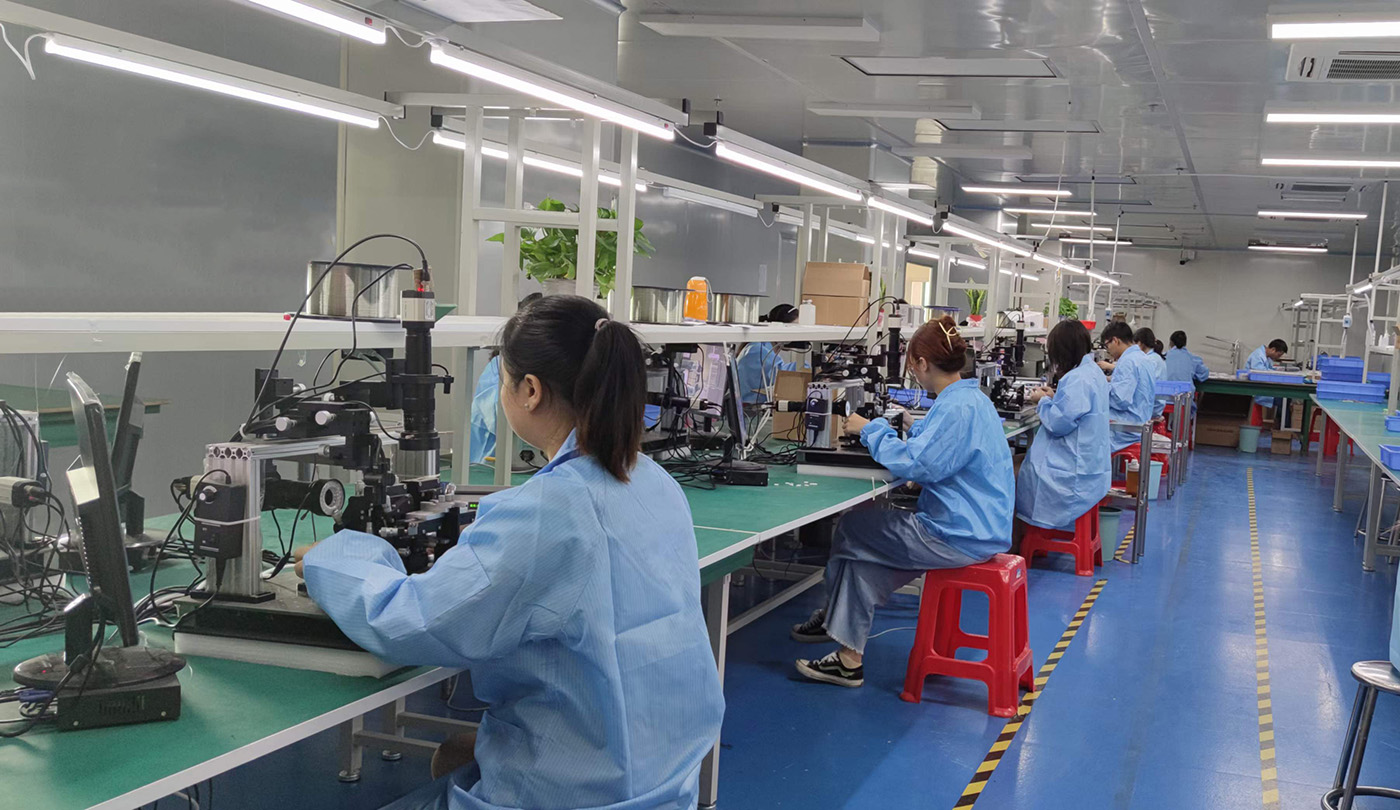
Years of international sales and support experience have enabled us to partner with customers across multiple regions, including East Asia, Southeast Asia, the Middle East, Europe, the Americas, and Africa.
Our OEM and ODM products have won numerous telecommunication operator tenders, satisfying the technical demands of international networks. Below are some of the major telecom operators using our infrastructure materials:
Designing an All-Dielectric Self-Supporting cable requires precise engineering to balance mechanical load, environmental stresses, and optical transmission integrity.
We use high-modulus aramid yarns (Kevlar/Twaron) wrapped helically around the inner jacket. The yarn volume and tensioning are calculated to match the span length, wind speed, ice loading, and required sag profile of each project.
Depending on the installation environment, we offer Single-Jacket designs for shorter spans and lower voltages, and robust Double-Jacket structures for high-span, high-stress utility corridors.
For installations where the space potential exceeds 12kV, our specialized Tracking-Resistant (AT) polyethylene compound helps prevent dry-band arcing and outer sheath degradation over the cable's service life.
The deployment of ADSS fiber optic cables is growing rapidly, driven by several key factors in telecommunication and power infrastructure sectors.
Modern electrical networks require low-latency communication lines for real-time monitoring and control. ADSS cables allow power utilities to deploy secure, high-bandwidth networks directly on their existing transmission towers.
National plans to expand broadband access rely on ADSS cables to speed up rural deployments. Utilizing electrical pole networks minimizes capital investments and shortens construction schedules.
With changing global weather patterns, ADSS designs must withstand extreme temperatures, heavy icing, and high wind loads. Our factory customizes raw materials to meet regional climatic conditions.
We design custom solutions tailored to your project requirements. Below are the design configurations for our ADSS fiber optic cables.
| Parameter | Standard PE Jacket Specification | Anti-Tracking (AT) Jacket Specification |
|---|---|---|
| Voltage Environment | < 12 kV | 12 kV to 35 kV+ |
| Fiber Count Range | 2 to 144 Cores (G.652D, G.655, or G.657) | 2 to 288 Cores (High-Density Design) |
| Span Configurations | 50 meters to 200 meters | 200 meters to 1000+ meters |
| Tensile Strength (MAT) | Based on project load requirements (Up to 15 kN) | High-tensile designs (Up to 50 kN+) |
| Water-Blocking Technology | Thixotropic gel-filled loose tubes with water swellable tape | Dry core water-blocking technology available |
| Compliance Standards | IEEE 1222, IEC 60794-4, EIA/TIA 598 | IEEE 1222, IEC 60794-4, ASTM standards |
Pricing for ODM ADSS cables is project-specific rather than flat-rate. We customize raw materials to balance performance and budget. Understanding these factors helps optimize procurement costs:
Kocent Optec Limited is focused on developing lightweight, high-density optical cable structures. As networks demand higher capacity, we are engineering solutions that house more optical fibers without increasing the cable diameter or total weight.
Our research and development program explores bio-based polymers to reduce carbon footprints, along with dry water-blocking materials that simplify preparation and installation. These technical advancements are designed to maintain reliability while reducing deployment and recycling costs over the cable's lifespan.
Answers to common technical and procurement questions for engineering and purchasing departments.
Our custom ADSS cables can support span lengths up to 1000 meters under standard operating conditions. Maximum spans are calculated based on local weather conditions, including wind velocities, expected ice buildup, and target sag budgets.
An Anti-Tracking (AT) jacket should be used when the cable is installed near high-voltage power lines where the space potential exceeds 12kV. The tracking-resistant material helps prevent dry-band arcing caused by induced currents on the cable surface, extending its operational life.
Our engineering team analyzes the project parameters, including climate conditions, tower heights, span lengths, fiber counts, and voltage levels. Based on these inputs, we design a customized cable structure with the appropriate aramid yarn volume, jacket thickness, and fiber types, and then provide a detailed cost estimate.
Yes. Our manufacturing processes are ISO 9001 certified, and our ADSS cables are tested to meet international standards (including IEEE and IEC). We provide complete technical documentation, test reports, and quality compliance certificates to support our partners in operator bidding and public tenders.
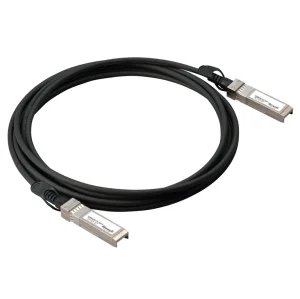
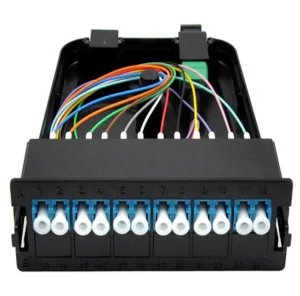
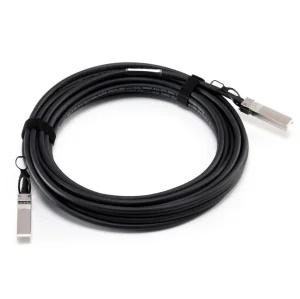
From transceivers and copper assemblies to specialized termination boxes, Kocent Optec provides components to complete your network deployments.
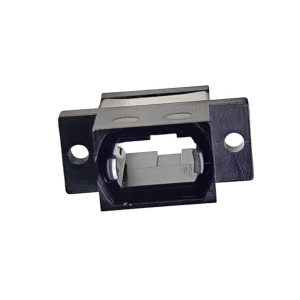
![Cheap [SENKO] Optical Fiber MPO-PLUS Premium Mini Connector](https://site.cdnfile.io/59c8deaa9fdec6072c4782dc4754000c300_300.webp)
 KOCENT OPTEC