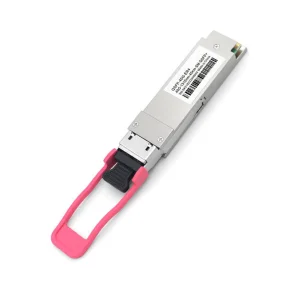
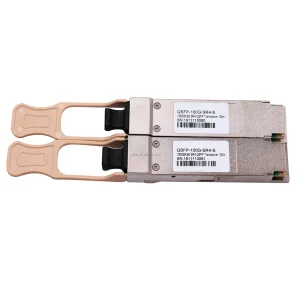
Browse Kocent Optec's high-speed active transceivers, ruggedized fiber jumpers, and polishing fixtures designed for carrier-grade deployments.
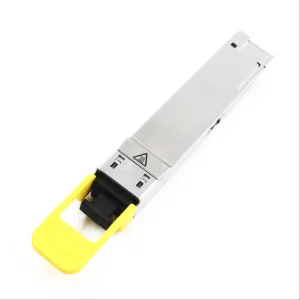
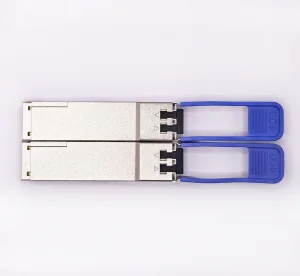
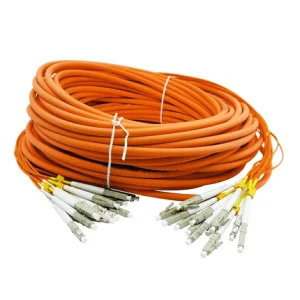
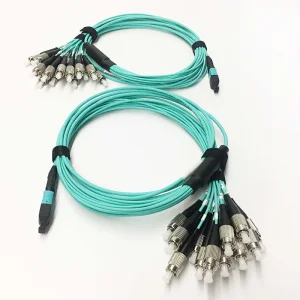
How high-bandwidth optical channels, Fiber-To-The-Antenna (FTTA) architectures, and open networking interfaces are reshaping the core of globally connected mobile networks.
The Common Public Radio Interface (CPRI) and its evolved successor, eCPRI, serve as the vital nervous system of modern cellular networks. Linking Baseband Units (BBUs) or Distributed Units (DU) to Remote Radio Units (RRU) or Active Antenna Units (AAU) at cell sites requires resilient, high-speed, and low-latency physical transport links. As the global telecom market advances past standard 5G deployments into dense Sub-6GHz and Millimeter Wave (mmWave) systems, the requirements placed on fiber optic interconnects have escalated exponentially.
Standard copper-based cabling can no longer sustain the transmission bandwidth over the physical distances required between ground base stations and tower tops. Today's cell sites utilize FTTA (Fiber-To-The-Antenna) technology. By deploying pre-terminated single-mode (SM) and multimode (MM) CPRI armored fiber patch assemblies, operators drastically reduce insertion loss, prevent electromagnetic interference (EMI), and maximize physical link availability.
Strict propagation delay limits in 5G radio networks demand tight control over fiber length tolerances and glass composition, keeping latency under the sub-microsecond threshold.
Outer jackets constructed from Black PE or LSZH, coupled with internal steel armoring, shield fiber cores from ultraviolet radiation, ozone, gnawing pests, and extreme tensile stress during tower installation.
Featuring precision-engineered ceramic ferrules that limit insertion loss (< 0.2dB) and maximize return loss (> 55dB for UPC; > 65dB for APC), preventing signal degradation at high transmission rates.
Evaluating the essential physical and electrical specifications required by international telecom operators for stable long-term network deployment.
For enterprise procurement teams representing top tier-1 and tier-2 telecom carriers (such as SingTel, Vodafone, America Movil, Telefonica, Bharti Airtel, Orange, Telenor, Saudi Telecom, MTN, Viettel, Bitel, VNPT, Laos Telecom, MYTEL, Telkom, Telekom, Entel, FiberTel, StarFiber, Ooredoo, Beeline, and Azercell), sourcing CPRI cable components directly from qualified OEM factories is a critical cost-savings and quality-control initiative.
The key challenge in outdoor deployment lies in mechanical endurance. High wind loads, extreme temperature fluctuations, ice loading, and moisture entry lead to elevated micro-bending losses and localized physical fractures if sub-par optical components are deployed. Consequently, procurement tenders stipulate rigorous certifications, including Telcordia GR-326-CORE compliance for connector assemblies and IEC 60794-1 standards for structural mechanical testing.
| Performance Parameters | Single-Mode (G.652.D / G.657.A2) | Multi-Mode (OM3 / OM4) | Testing Methods & Compliance Standards |
|---|---|---|---|
| Operating Wavelength | 1310 nm / 1550 nm | 850 nm / 1300 nm | ITU-T Recommendations |
| Typical Insertion Loss | ≤ 0.15 dB (APC); ≤ 0.20 dB (UPC) | ≤ 0.20 dB | IEC 61300-3-4 (Procedure B) |
| Return Loss | ≥ 60 dB (APC); ≥ 50 dB (UPC) | ≥ 35 dB | IEC 61300-3-6 |
| Ingress Protection Rating | IP67 / IP68 (when mated with IP-series shroud) | IP67 / IP68 | IEC 60529 / EN 60529 |
| Tensile Strength (Long-Term) | 400 N | 400 N | IEC 60794-1-2-E1 |
| Bending Radius (Dynamic / Static) | 20D / 10D (D = Cable outer diameter) | 20D / 10D | IEC 60794-1-2-E11 |
| Operating Temperature | -40°C to +85°C | -40°C to +80°C | IEC 60794-1-2-F1 |
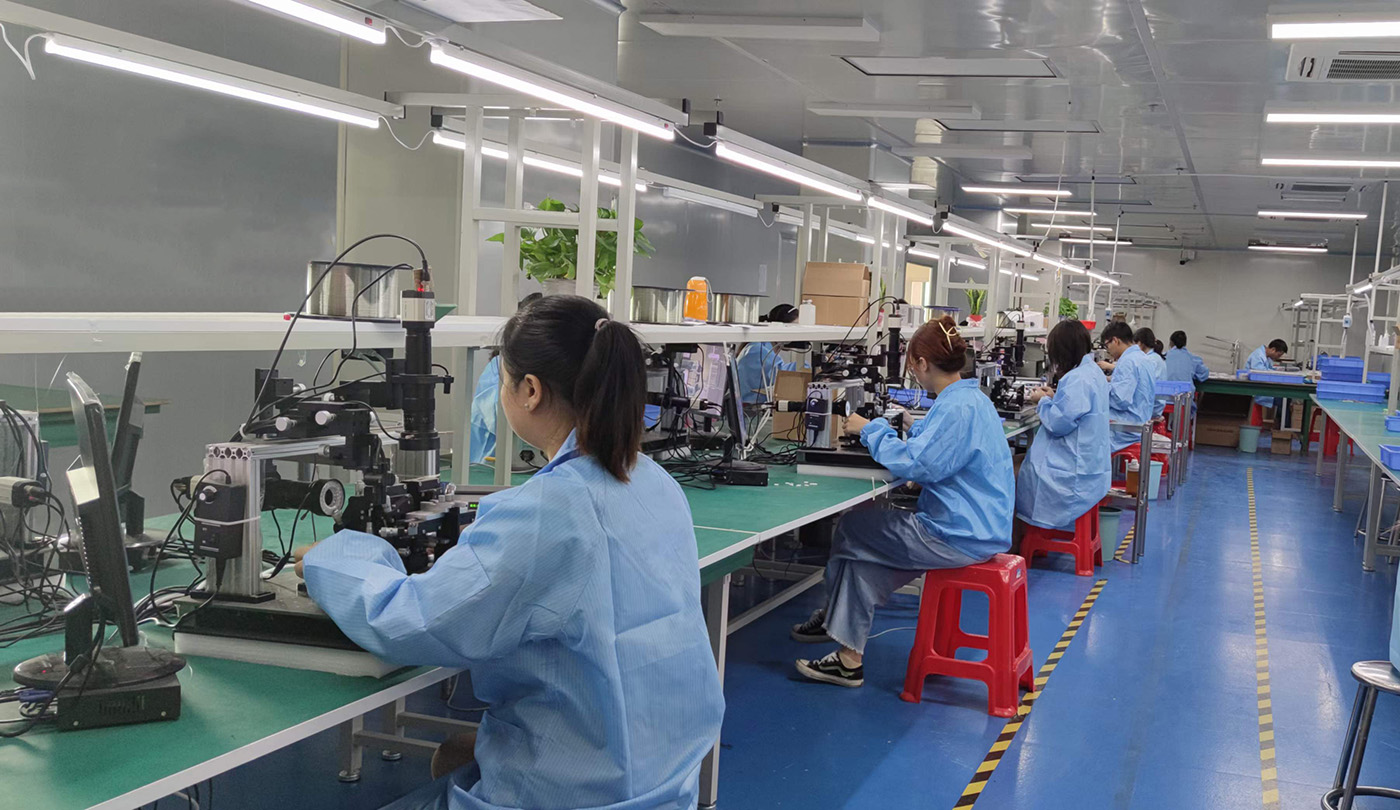
The concentration of advanced raw material processing, precision plastic injection molding, and highly automated fiber polishing plants in China has created a powerful manufacturing ecosystem. China's top fiber optic factories have transitioned from manual, labor-intensive production lines to highly integrated Factory 4.0 setups.
At Kocent Optec Limited, established in 2012 in Hong Kong as a high-tech communications enterprise, we leverage this localized ecosystem to provide high-quality fiber optic termination products. By utilizing state-of-the-art automated terminal cleaning equipment, 3D laser interferometers to verify physical end-face geometry, and automated optical testing rigs, we guarantee that 100% of our products undergo comprehensive testing and inspection before delivery.
Our high-efficiency manufacturing capabilities allow us to manage complex bulk orders, shorten production lead times, and optimize cost structures. The resulting savings are passed directly to our global customers, helping them strengthen their market position and expand their operations.

Proven track records across primary global markets, supplying durable passive network infrastructure to top telecom providers.
A key focus at Kocent Optec is customer collaboration. We position ourselves as a value-added partner in fiber optic connectivity solutions, where our expertise translates into direct benefits for your projects. This focus has enabled us to win projects and tenders across East Asia, Southeast Asia, the Middle East, Eastern Europe, Western Europe, Northern Europe, South America, North America, North Africa, and South Africa.
Our OEM and ODM components are manufactured to meet the strict requirements of network operators worldwide, ensuring reliable performance in demanding, high-stakes infrastructure projects.
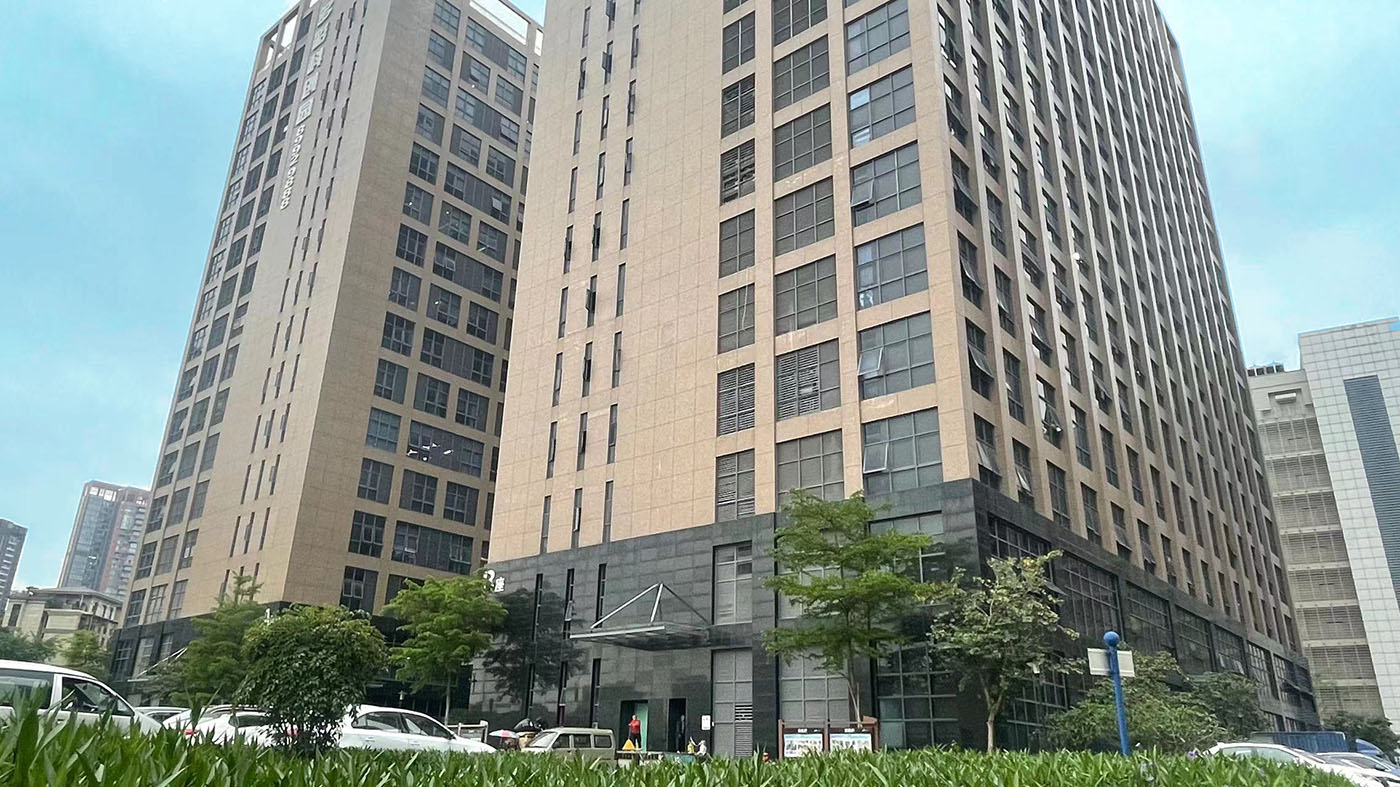
Understanding the variable components that define the final unit price of pre-terminated ruggedized fiber optic trunk cables.
When reviewing an OEM CPRI Cable pricelist, procurement managers must evaluate several structural components that affect the cost. Sourcing components individually is rarely a viable alternative to purchasing pre-assembled, factory-tested cables. The total cost of ownership depends on several core variables:
Selecting single-mode G.657.A2 (bend-insensitive fiber) adds a small premium over G.652.D but offers critical protection against signal attenuation in tight enclosures. Higher core counts (e.g., 2-core, 4-core, or 12-core configurations) increase raw material costs accordingly.
For standard outdoor installations, TPU or LSZH jackets with a corrugated steel tape (CST) armor provide optimal protection. Unarmored jackets are less expensive but require protective conduit systems, which increases overall installation labor costs.
Deploying specialized connector designs like FullAXS, PDLC, ODVA, or NSN-compatible boots increases costs due to higher licensing and manufacturing tolerances. However, these connectors are essential for maintaining IP67/IP68 weather seals at tower connection interfaces.
| Product Type & Connector Spec | Standard Cable Length | Estimated Base Price (USD) | Key Cost Factors |
|---|---|---|---|
| CPRI Dual-Core LC/UPC to LC/UPC (G.657.A2, LSZH, Armored) | 10 Meters | $14.50 - $18.20 | Connector type, jacket diameter (4.8mm/7.0mm) |
| CPRI Dual-Core LC/UPC to LC/UPC (G.657.A2, LSZH, Armored) | 50 Meters | $38.00 - $46.50 | Incremental raw fiber cost, packaging weight |
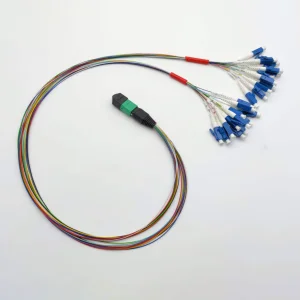
| CPRI 4-Core MPO to LC Fanout (FullAXS compatible, Single-Mode) | 30 Meters | $52.00 - $68.00 | Proprietary IP Shroud, high-concentricity ferrules |
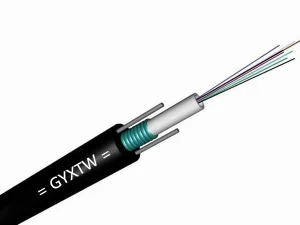
| Heavy-Duty Outdoor Trunk Cable (12-Core, G.652.D, CST Armor) | 100 Meters | $145.00 - $180.00 | High steel-ribbon raw material weight, spool fees |
Note: The prices listed above are budgetary factory-direct estimates. Contact the Kocent Optec sales department for formal quotes tailored to your project's custom lengths, packaging requirements, and core counts.
Real-world scenarios where standard fiber optic cables fail, and ruggedized CPRI assemblies are required for continuous operation.
In areas with high salt spray, high humidity, and heavy rainfall (such as Southeast Asia and coastal areas in South America), standard connectors quickly corrode, causing signal drift. CPRI cables pre-terminated with IP68 polymer-jacketed connectors resist corrosion and maintain stable seal pressure, ensuring dependable operation for years.
High-altitude cell sites experience severe sub-zero temperatures and high UV exposure, which can embrittle standard plastic cable jackets. To prevent jacket cracking and subsequent moisture ingress, CPRI cables utilize specialized UV-stabilized TPU jackets, which remain flexible and crack-resistant down to -40°C.
Addressing critical technical, regulatory, and mechanical questions raised by network engineers and global procurement directors.
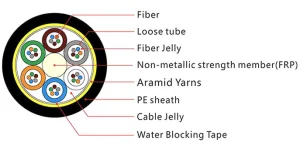
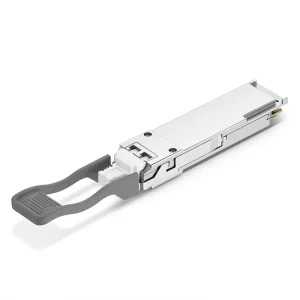
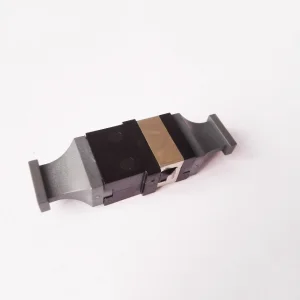
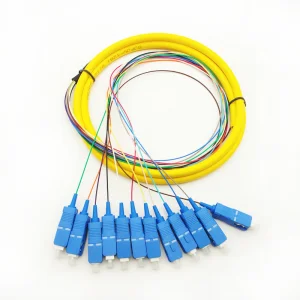
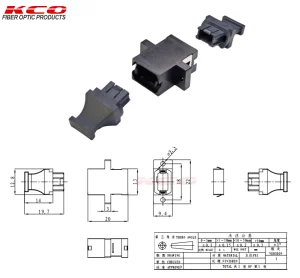
Heavy-duty outdoor distribution, high-fiber adapters, and high-frequency active transceivers designed for modern, high-performance optical networks.
 KOCENT OPTEC