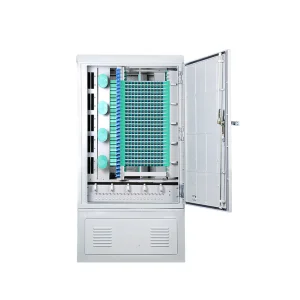
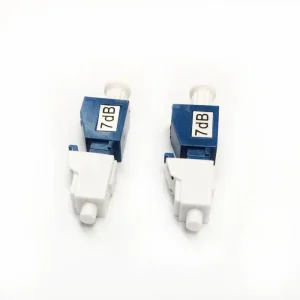
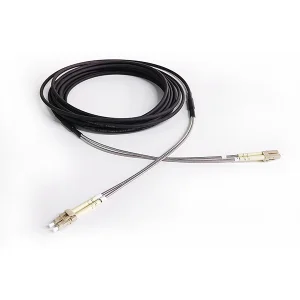
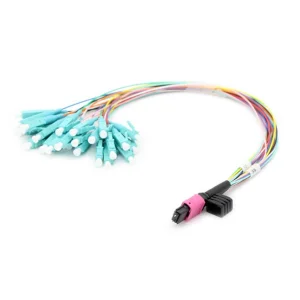
Engineered to exceed critical telecommunications requirements, our high-precision active and passive components provide stable transmission structures for data centers, access networks, and enterprise architectures worldwide.
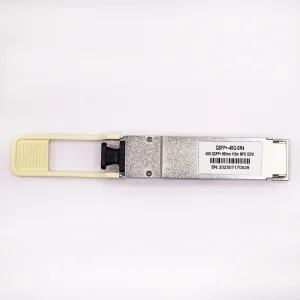
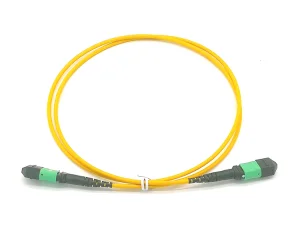
In modern communications infrastructures, the 1G SFP (Small Form-factor Pluggable) optical transceiver remains a critical component for Layer 2 and Layer 3 switches, routers, and edge networking installations. Although higher speeds such as 100G, 400G, and upcoming 800G optical interfaces are deploying in spine networks and core datacenters, the 1G SFP format represents the global baseline for corporate networks, access switches, campus distribution nodes, and industrial networks.
This technical whitepaper details the architectural components, manufacturing specifications, cost parameters, and supply chain considerations crucial for optical network operators, telecom equipment distributors, and system engineers sourcing high-volume optical modules.
1G SFP modules are classified primarily by fiber mode (Multimode Fiber - MMF vs. Singlemode Fiber - SMF), optical wavelength, transmission distance, and operating temperature range. Selecting the appropriate model requires evaluating the optical power budget and maximum attenuation limits of the physical link.
| Transceiver Type | Wavelength (nm) | Fiber Type | Max Reach / Link Budget | Laser Source | Typical Applications |
|---|---|---|---|---|---|
| 1G SFP SX | 850nm | MMF (OM1/OM2/OM3/OM4) | 550 meters / 7.5 dB | VCSEL | Intra-building LAN, Server Room Cross-connects |
| 1G SFP LX/LH | 1310nm | SMF (G.652) / MMF | 10 kilometers / 10.5 dB | FP / DFB | Campus backbones, Local Loops, FTTx distribution |
| 1G SFP EX | 1310nm / 1550nm | SMF (G.652) | 40 kilometers / 18 dB | DFB | Metro Area Networks (MAN), Substation automation |
| 1G SFP ZX | 1550nm | SMF (G.652) | 80 kilometers / 24 dB | DFB / EML | Long-haul transmission, Regional access aggregation |
| 1G SFP BiDi (WDM) | 1310Tx/1490Rx or 1550Tx/1310Rx | Single Strand SMF | 10km - 80km / 12-24 dB | DFB | FTTH Access, FTTB backhaul, resource-constrained fiber runs |
| 1G SFP RJ45 Copper | N/A (Cat5e / Cat6) | Copper UTP/STP | 100 meters / N/A | N/A (PHY Chipset) | Switch-to-switch interconnects, short rack patching |
Established in 2012 in Hong Kong as a high-technology communication enterprise, Kocent Optec Limited has emerged as one of China's leading fiber optic termination manufacturers and active equipment solution providers.
Our operational strategy focuses on passive and active optical network technologies, producing fiber termination systems, high-density optical distribution modules, and advanced transceivers. By maintaining strict design methodologies and QA pipelines, we ensure that our OEM/ODM products conform to international quality standards.
Many of our OEM and ODM products have been deployed in telecom operator tenders and satisfy end-user requirements. Our primary terminal telecom operators include major global providers: SingTel, Vodafone, America Movil, Telefonica, Bharti Airtel, Orange, Telenor, VimpelCom, TeliaSonera, Saudi Telecom, MTN, Viettel, Bitel, VNPT, Laos Telecom, MYTEL, Telkom, Telekom, Entel, FiberTel, StarFiber, Ooredoo, Beeline, and Azercell.

1G SFP transceivers operate across varied international network environments. Sourcing strategies must adapt to localized requirements:
Substations, smart factories, and transportation hubs require industrial-grade (IND) transceivers rated for temperatures from -40°C to +85°C. These units include hardened internal components, ESD protection, and electromagnetic interference shielding to prevent packet loss under high thermal stress.
BiDi (Bidirectional) SFP modules allow network service providers to double fiber capacity by using distinct wavelengths for transmit and receive paths (e.g., 1310nm/1490nm) over a single optical strand, reducing local cabling and maintenance costs.
Modern commercial parks, university campus distribution centers, and standard corporate offices deploy duplex SFP SX and LX modules. They connect multi-floor networks over OM3/OM4 fiber or singlemode trunks to the core switches, supporting reliable gigabit link paths.

Sourcing optical modules from established Chinese manufacturers provides significant cost efficiency and supply chain advantages, especially for bulk network upgrades.
By leveraging our manufacturing base, Kocent Optec optimizes production yield through automated TOSA/ROSA optical subassembly coupling, in-line digital sampling scopes, and temperature-controlled verification chambers.
This automated flow keeps product quality high and provides stable pricing for distributors. Because we manage raw component sourcing, laser diode purchasing, and custom EEPROM firmware development in-house, we reduce standard market lead times by up to 45% compared to regional vendors.
Every transceiver module we supply undergoes complete functional, interoperability, and environmental testing before shipment.
We use mature, scientific methods to deliver your orders on schedule and guarantee that 100% of products are tested and inspected before dispatch. Our testing protocols verify optical output power, receiver sensitivity, extinction ratio, eye diagram performance, and Multi-Source Agreement (MSA) EEPROM compatibility configurations.
Our active products comply with MSA requirements, CE, FCC, RoHS, and REACH directives. This compliance allows for seamless deployment in networks that utilize equipment from vendors like Cisco, Juniper, HPE, and Huawei.
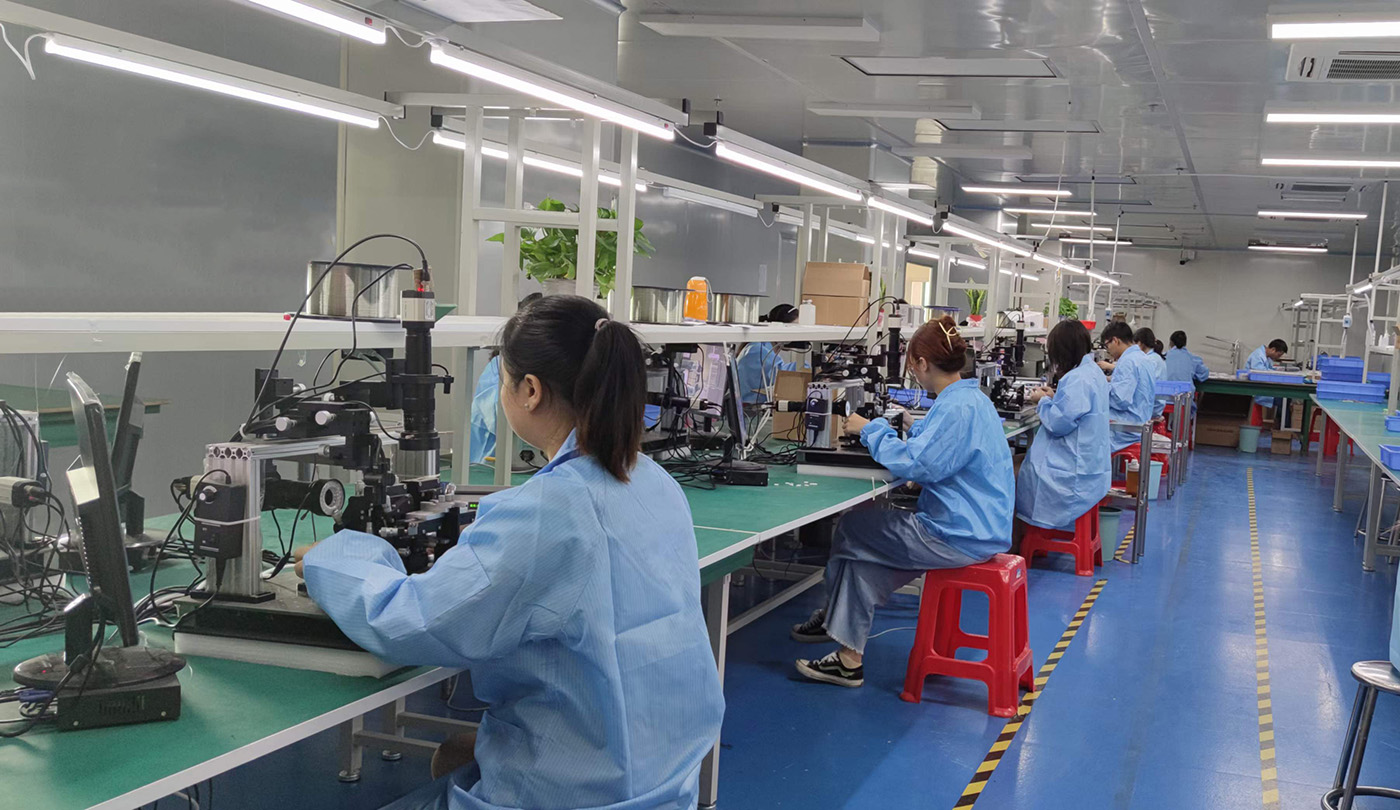
As networks adapt to meet carbon neutrality targets and rising bandwidth demands, the engineering focus for 1G SFP modules is shifting toward power optimization and integrated diagnostics.
While high-speed transceivers utilize Silicon Photonics (SiPh) and advanced modulation schemes, the classic 1G SFP continues to evolve in three key areas:
Explore additional optical cabling, toolsets, and high-speed transceivers designed to build stable, end-to-end optical transmission systems.
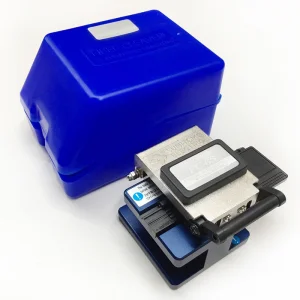
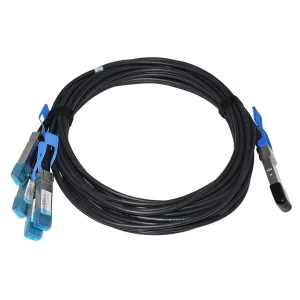
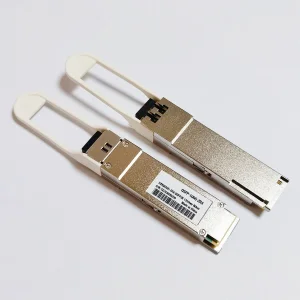
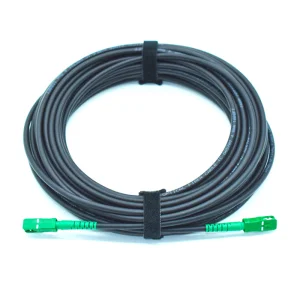
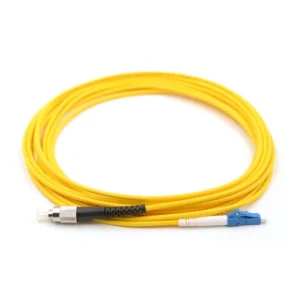
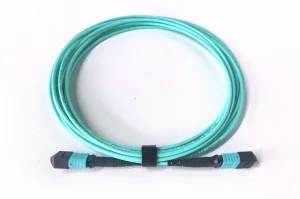
Understand transceiver compatibility, industrial configurations, and volume pricing dynamics prior to placement of manufacturing contracts.
 KOCENT OPTEC