Direct factory quotes on high-performance patch jumpers, connectors, transceivers, and high-density fiber-copper interface units.
An in-depth analysis of why copper transceiver technology continues to dominate edge connections despite optical dominance.
As corporate IT topologies expand into massive hyper-scale data centers, edge computing networks, and private cloud clouds, the need for cost-efficient, high-bandwidth interconnects has reached an all-time high. Copper SFP (Small Form-factor Pluggable) transceivers—particularly 10GBASE-T, 5GBASE-T, and Gigabit SFP modules—remain the bedrock of short-range network links. They bridge the gap between high-speed switch backplanes and legacy copper-based local area network (LAN) ecosystems.
Procurement directors and infrastructure engineers face a challenging decision-making environment: balancing performance, thermal budgets, physical space constraints, and capital expenditure (CAPEX). This whitepaper details the structural dynamics of the SFP copper market, offering concrete data, technological trends, and structured insights for bulk buyers aiming to secure optimal quotes from reliable manufacturing partners.

How advancements in PHY silicon and power reduction are reshaping copper SFP deployment paradigms.
Historically, 10GBASE-T SFP+ modules suffered from high heat dissipation (often exceeding 2.5W). Modern factory designs deploy advanced physical layer (PHY) chipsets fabricated on 16nm and 28nm processes, driving power consumption down to 1.6W or lower. This facilitates high-density switch packaging without risking thermal overload.
Modern wholesale manufacturers write customized EEPROM codes to ensure seamless compatibility with host equipment from leading hardware providers (e.g., Cisco, Juniper, Arista, Huawei). Dynamic auto-negotiation allows transceivers to auto-match link speeds ranging from 100Mbps to 10Gbps.
Integration of robust RJ45 female connectors featuring enhanced gold plating (up to 50 micro-inches) ensures structural durability over hundreds of mating cycles. It provides high resilience against electromagnetic interference (EMI) and atmospheric oxidation.
Navigating the complexity of direct factory quotes, lead times, and rigorous validation metrics.

Sourcing SFP modules directly from OEM/ODM factories in China offers substantial cost efficiency advantages. In bulk purchasing schemes, prices are dictated by integrated chipsets, PCB complexity, enclosure gold-plating thickness, and individual factory diagnostic testing procedures. By cutting out distribution markups, companies can optimize their CAPEX significantly.
Key requirements for bulk procurement include:
A trusted communication enterprise specializing in high-performance passive and active networking solutions.
Established in 2012 in Hong Kong as a hi-tech communication enterprise, Kocent Optec Limited has grown into one of China's premier fiber optic termination and active solution providers. We are dedicated to developing and manufacturing a wide variety of communication products, spanning both passive and active categories for telecommunication networks, enterprise structures, and modern data centers.
By leveraging our extensive manufacturing experience and high production capacity, we enable our clients to expand their core competencies and maintain market leadership. We view ourselves not just as a manufacturer, but as your strategic partner in fiber and copper connection technology. Our goal is to translate our production and design differentiators into your competitive advantages.
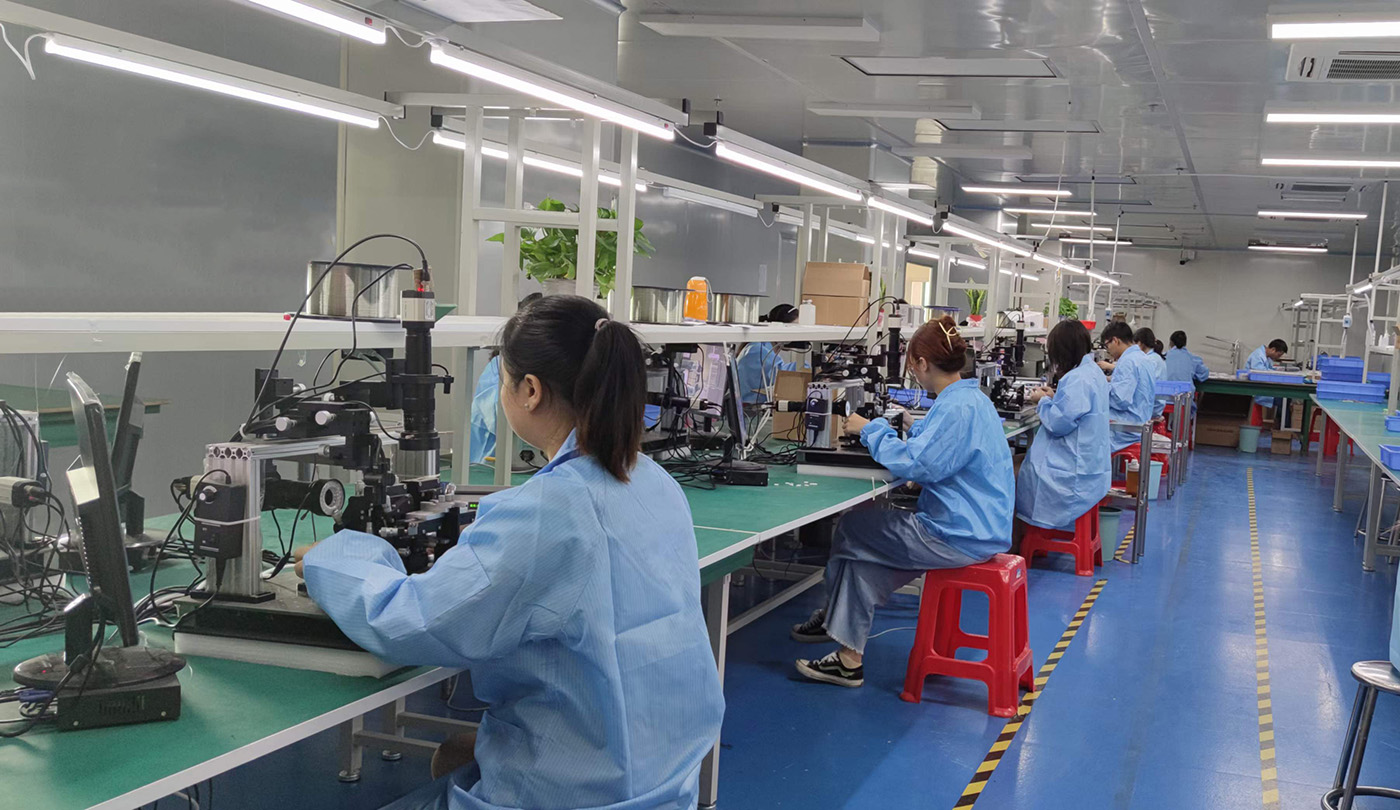
With more than 13 years of expertise in manufacturing optical and copper connectivity solutions, Kocent Optec strictly adheres to established international standards. We utilize mature scientific methods to keep shipments on schedule. Most importantly, 100% of our products undergo rigorous testing and inspection before they leave our factory doors, ensuring high reliability and performance from day one.
Our commitment to quality has enabled us to win major tenders from global telecom operators and build long-term relationships across East Asia, Europe, North and South America, the Middle East, and Africa.
How hybrid networks integrate copper transceivers with high-density optical backbones.
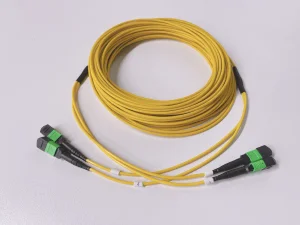
Modern data center designs rely on a mix of optical and copper infrastructure. High-speed switch-to-switch links (backplanes) typically use high-density MTP/MPO optical trunk cables, patch panels, and 100G/200G/400G transceivers to handle massive throughput. However, connecting these switches to local servers, storage area networks (SANs), and edge appliances is where copper SFP modules shine.
Deploying copper transceivers at the top-of-rack (ToR) switch layer allows operators to utilize cost-efficient Cat6a patch cords for server connections up to 30 meters. This hybrid approach delivers the performance of optical backplanes alongside the cost benefits and simplicity of standard copper cabling.
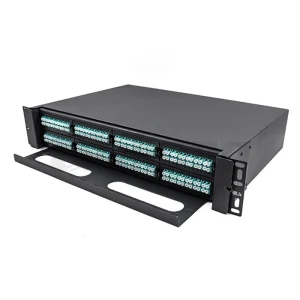
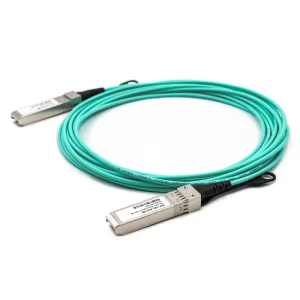
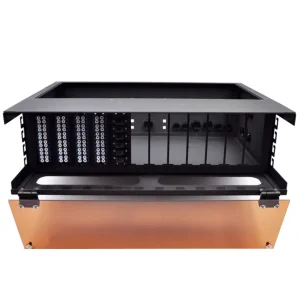
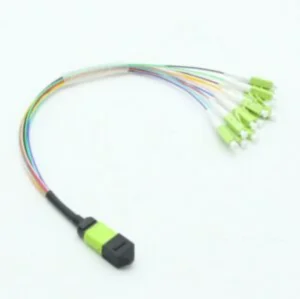
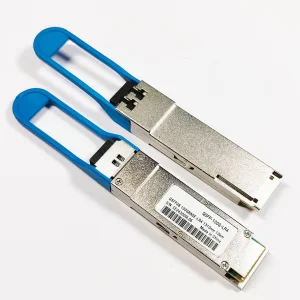
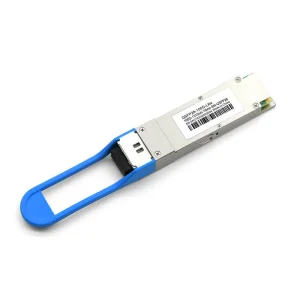
By pairing high-density 2U 192fo MTP MPO optical panels with compatible active transceivers (such as the 200G QSFP56 LR4 or SFP+ Active Optical Cables), network architects can design a future-proof backbone. This infrastructure easily links with edge ports equipped with standard copper SFP transceivers, keeping hardware costs low while maintaining overall throughput.
The progression of copper transceivers from 10G to 25G and the role of compliance standards.
As standard server ports shift from 10G to 25G, the IEEE 802.3bq standard for 25GBASE-T is seeing increased adoption. Future copper SFP footprints will leverage advanced DSP technologies to support 25Gbps transmission over Cat8 copper cabling up to 30 meters, keeping copper relevant for next-generation short-range links.
To access markets like Europe and North America, products must comply with strict environmental and safety regulations. Reputable factories design all transceivers to comply with RoHS (Restriction of Hazardous Substances), WEEE directives, CE markings, and FCC Part 15 Class B standards, ensuring safety and EMI control.
Future copper SFP structures will feature advanced housing designs, including micro-heatsinks and optimized internal layouts. These innovations help dissipate heat more effectively, allowing switches to operate at lower internal temperatures and extending the lifespan of the network hardware.
Answers to technical, operational, and financial questions commonly asked by B2B buyers.
Explore our active optical cables, high-density patch systems, and specialized transceivers.
 KOCENT OPTEC