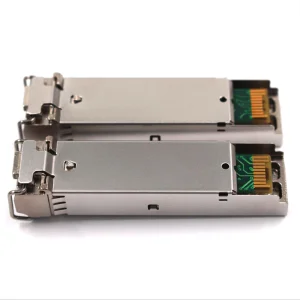
Direct factory optical transceiver solutions engineered for high-throughput networks in Sarajevo & Western Balkans region.
Macroeconomic digital transformation and high-density bandwidth migration strategies across Bosnia and Herzegovina.
As Southeastern Europe experiences a rapid digital metamorphosis, Sarajevo has emerged as a crucial telecommunication gateway connecting the Balkan peninsula with Central European optical fiber backbones. Driven by regional cloud expansions, financial network modernizations, and carrier-neutral co-location developments, the demand for high-bandwidth, low-latency interconnects has surged exponentially. The transition from legacy 10G/40G structures to 100G and 200G QSFP (Quad Small Form-factor Pluggable) architectures represents the technological linchpin for network operators across Bosnia and Herzegovina.
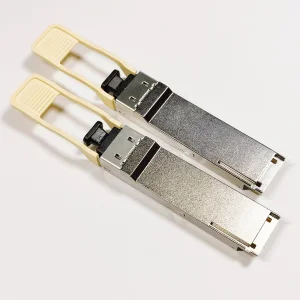
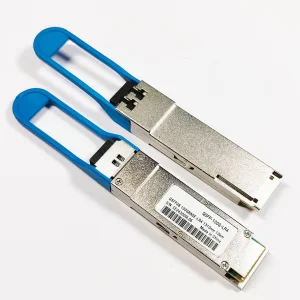
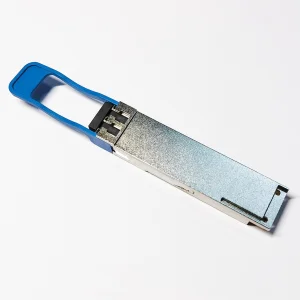
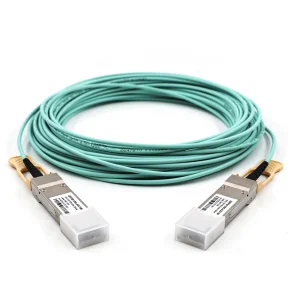
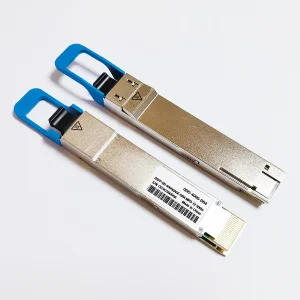
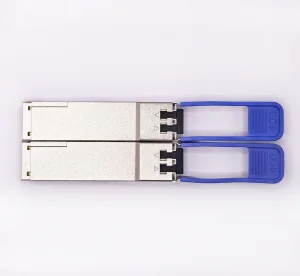
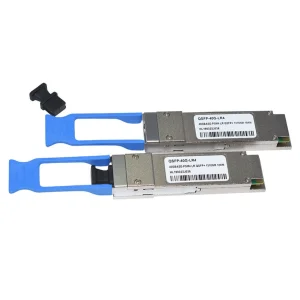
Deploying 200G QSFP56 transceiver optics enables enterprise data centers and telecom providers in Sarajevo to double their switching capacity without altering existing rack footprint constraints. By leveraging 50G PAM4 (Pulse Amplitude Modulation 4-level) signaling technology, 200G optical links provide an optimized cost-to-bandwidth vector that balances capital expenditure with operational efficiency, making it the strategic choice for mid-to-large scale modernizations.
By migrating directly from 100G NRZ (Non-Return-to-Zero) to 200G PAM4 QSFP56 optical modules, operators achieve a 50% drop in energy consumption per gigabit transmitted, while simultaneously maximizing fiber density in key urban centers like Novo Sarajevo, Centar, and Ilidža.
Comprehensive evaluation of optical interfaces, signal integrity, DSP engines, and thermal dissipation metrics.
Optimized for short-reach high-density interconnects up to 100 meters over OM4 MMF via MPO-12 optical connectors. Built with 850nm VCSEL lasers, ideal for Top-of-Rack (ToR) and Spine-Leaf data center topologies in Sarajevo.
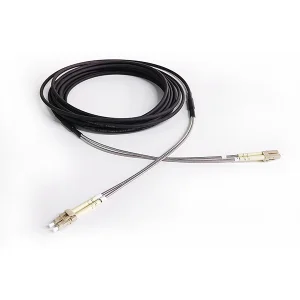
Engineered for 2km link lengths over CWDM4 Single-Mode Fiber (SMF) with Duplex LC connectors. Utilizing 4x50G CWDM DML lasers, this optic provides superior signal integrity across campus networks and suburban pop hubs.
Designed for long-reach metro backhauls extending up to 10km over SMF using LAN-WDM EML lasers. Crucial for connecting geographically separated switches across Sarajevo's metro optical rings with low Bit Error Rate (BER).
| Optic Variant | Wavelength (nm) | Connector Type | Fiber Type | Max Reach | Max Power (W) | Transmitter Type |
|---|---|---|---|---|---|---|
| 200G QSFP56 SR4 | 850nm | MPO-12 / MTP | OM3 / OM4 MMF | 70m / 100m | < 5.0 W | VCSEL Array |
| 200G QSFP56 FR4 | 1271, 1291, 1311, 1331 | Duplex LC | OS2 SMF | 2 km | < 5.5 W | CWDM DML |
| 200G QSFP56 LR4 | 1295, 1300, 1304, 1309 | Duplex LC | OS2 SMF | 10 km | < 6.5 W | LAN-WDM EML |
| 200G QSFP-DD DR4 | 1310nm | MPO-12 / APC | OS2 SMF | 500 m | < 5.5 W | Silicon Photonics / DML |
How localized logistics, direct factory partnerships, and strict operator compliance empower Western Balkan integrators.
Procuring high-performance optical components in Sarajevo requires navigating unique supply chain considerations. System integrators, local telecoms, and enterprise end-users must balance cost-per-gigabit with strict quality control standards to satisfy major telecom tender requirements. Partnering directly with certified optical transceiver manufacturers like KOCENT OPTEC LIMITED eliminates intermediary markups and guarantees rigorous production control.
By leveraging direct factory quotes, purchasing departments in Bosnia & Herzegovina can reduce transceiver procurement costs by 40% to 60% compared to OEM-branded modules. OEM optical switches often lock network engineers into inflated pricing models, whereas standards-compliant third-party transceivers offer identical operational stability at a fraction of the cost.
Timely delivery to Sarajevo network deployment sites is essential. Direct factory relationships provide streamlined customs clearance support, complete HS Code classification (e.g., 8517.62), Certificate of Origin (CO) documentation, and express freight options directly into Sarajevo International Airport (SJJ) or regional fulfillment hubs.
Across Bosnia & Herzegovina and broader European networks, enterprise switches and routers from Cisco, Juniper, Arista, Huawei, Nokia, and Mikrotik demand rigorous EEPROM programming. Direct factory provisioning ensures that 200G QSFP56 modules are flashed with verified Vendor-Specific Data (VSD), optical DOM (Digital Optical Monitoring) parameters, and custom serial numbers for seamless plug-and-play operation.
Over 13 years of global leadership in passive and active fiber optic termination solutions.
Established in 2012 in Hong Kong as a high-tech communication enterprise, KOCENT OPTEC LIMITED has grown into one of China's leading fiber optic termination product manufacturers and optical solution providers. We specialize in engineering and manufacturing high-precision passive cabling and high-speed active optical transceivers for data centers, enterprise networks, and global telecom carriers.
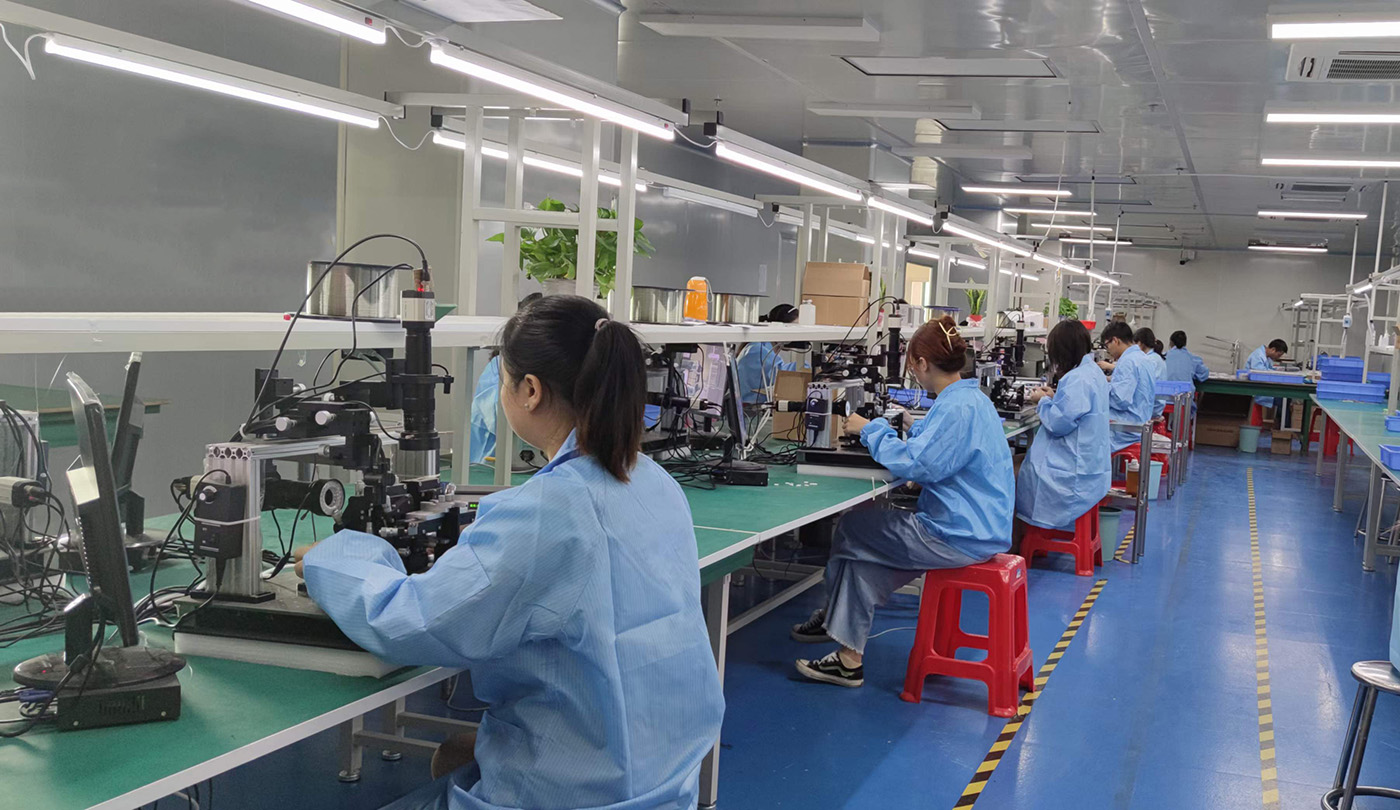
With more than 13 years of specialized manufacturing experience, we adhere strictly to international fiber optic standards (ITU-T, IEEE, Telcordia GR-326-CORE). Using mature scientific production protocols, 100% of our products undergo rigorous automated testing and visual inspection prior to global dispatch.
Our OEM and ODM optical products have consistently won major telecom operator tenders worldwide. Trusted global telecom operators utilizing our fiber optical connectivity infrastructure include:
Supported Telecom Operators & Networks:
SingTel, Vodafone, America Movil, Telefonica, Bharti Airtel, Orange, Telenor, VimpelCom, TeliaSonera, Saudi Telecom (STC), MTN, Viettel, Bitel, VNPT, Laos Telecom, MYTEL, Telkom, Telekom, Entel, FiberTel, StarFiber, Ooredoo, Beeline, Azercell.
Architectural planning for seamlessly scaling network bandwidth over the next decade.
Network architects in Sarajevo planning modern infrastructure must design with scalable upgrade paths. While 200G QSFP56 represents the sweet spot for modern density upgrades today, the rapid rise of AI workloads, cloud data processing, and 5G backhauling mandates a path forward toward 400G (QSFP-DD) and 800G OSFP ecosystems.
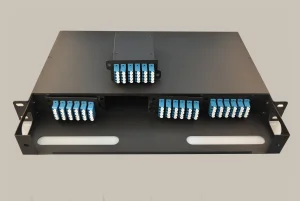
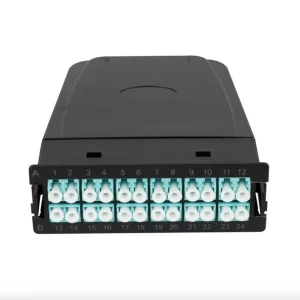
Maximizing current 50G PAM4 switch ports using QSFP56 form factors. High-density MPO/MTP patch panels ensure clean, modular fiber breakout topologies without structural cabling redesigns.
Transitioning to 400G QSFP-DD using 8x50G PAM4 or 4x100G PAM4 architectures. Breakout capabilities (e.g., 400G-DR4 breaking out to 4x 100G-DR) protect hardware investments while scaling capacity.
Adopting 100G SerDes lane speeds and Silicon Photonics. Co-Packaged Optics (CPO) and Linear Pluggable Optics (LPO) will drastically reduce power consumption in ultra-hyperscale facilities.
Uncompromised quality standards certified for European enterprise integration.
Fully compliant with EU environmental and safety standards, guaranteeing hazard-free chemical composition and electromagnetic safety for Sarajevo installations.
Strict adherence to IEEE Ethernet specifications for 200G standard interfaces, ensuring universal interoperability across multi-vendor equipment platforms.
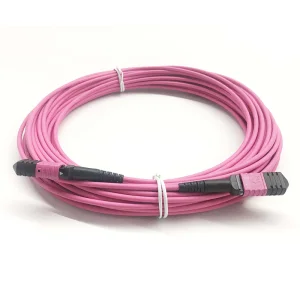
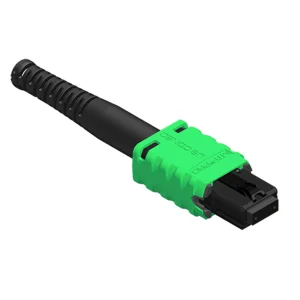
100% 3D interferometric measurement for all MPO/MTP and LC patch leads, guaranteeing optimum physical contact, insertion loss (<0.35dB), and return loss.
Backed by an extensive factory replacement warranty, advanced technical exchange support, and lifetime engineering consultation for registered projects.
Explore our comprehensive range of passive and active fiber interconnect products, tailored for enterprise tenders in Sarajevo and worldwide.
Expert engineering insights regarding 200G QSFP selection, procurement, and deployment in Sarajevo.
Contact our optical engineering specialists today for customized 200G QSFP factory quotes, technical datasheets, and direct carrier tender assistance.
Send Inquiry Now KOCENT OPTEC