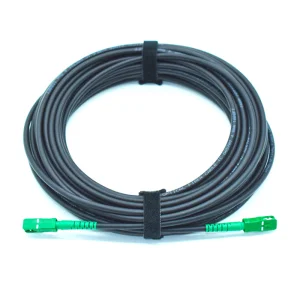
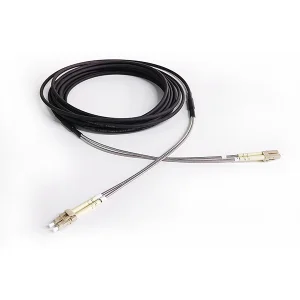
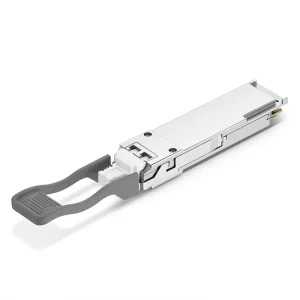
These engineered fiber optic configurations are custom-tailored for South Sudan's urban rollouts (Juba, Wau, Malakal) and oil extraction sectors, maintaining signal integrity under intense thermal environments.
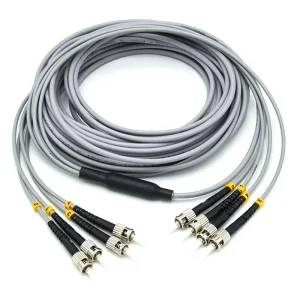
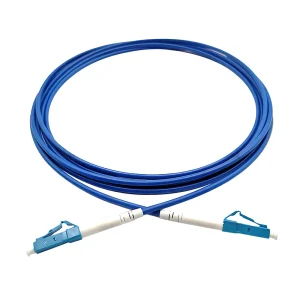
South Sudan, located in the heart of East Africa, is undergoing a profound digital transformation. As metropolitan areas like Juba expand and the vital petroleum fields in the Upper Nile and Unity States demand real-time data automation, the reliance on high-throughput optical networks has reached unprecedented levels. The traditional reliance on microwave backhaul is rapidly yielding to fiber-optic links due to severe atmospheric attenuation and storm interference typical of the East African tropical climate.
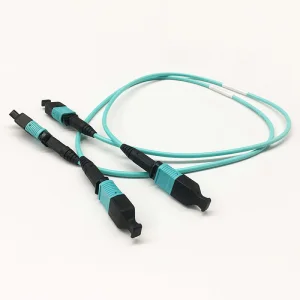
At the center of this technological leap are CPRI (Common Public Radio Interface) Patch Cords. These tactical fiber assemblies form the lifelines between baseband processing units (BBUs) and remote radio units (RRUs) located on the region's telecommunications towers. By upgrading to fiber-optic CPRI linkages, mobile network operators (MNOs) in South Sudan can support the rapid rollout of 4G LTE-Advanced and lay the groundwork for future 5G infrastructure, ensuring stable coverage even in remote regions.

Common Public Radio Interface (CPRI) is the standardized specification defining the key interface of digital base stations. In the context of FTTA (Fiber-To-The-Antenna) architectures, CPRI patch cords transmit high-speed, digitized RF data with minimal latency and negligible attenuation. Because South Sudan's telecommunications networks operate in demanding physical layouts—where towers must span heights of up to 45 meters in dusty, open plains—standard indoor patch cables are inadequate.
Heavy-duty CPRI patch cords are engineered with custom armor configurations, including double-jacketed LSZH (Low Smoke Zero Halogen) outer sheaths, water-blocking glass yarns, and internal stainless steel conduit wraps. These design details prevent moisture ingress and mechanical damage from tower sway, birds, and rodents. The connector assemblies utilize IP67-rated waterproof hoods, such as FullAXS, ODVA, or PDLC housings, ensuring that optical terminations remain isolated from dust particles and torrential rains.
IP67 water and dust seal mechanisms protect the sensitive physical-contact ferrule interfaces from South Sudan's seasonal downpours and dust storms.
Corrugations and helical stainless-steel wraps prevent bending fatigue, protect against micro-bends, and resist rodent attacks.
Low insertion loss (≤0.2dB) and high return loss (≥50dB for UPC, ≥60dB for APC) to minimize signal reflection and jitter.
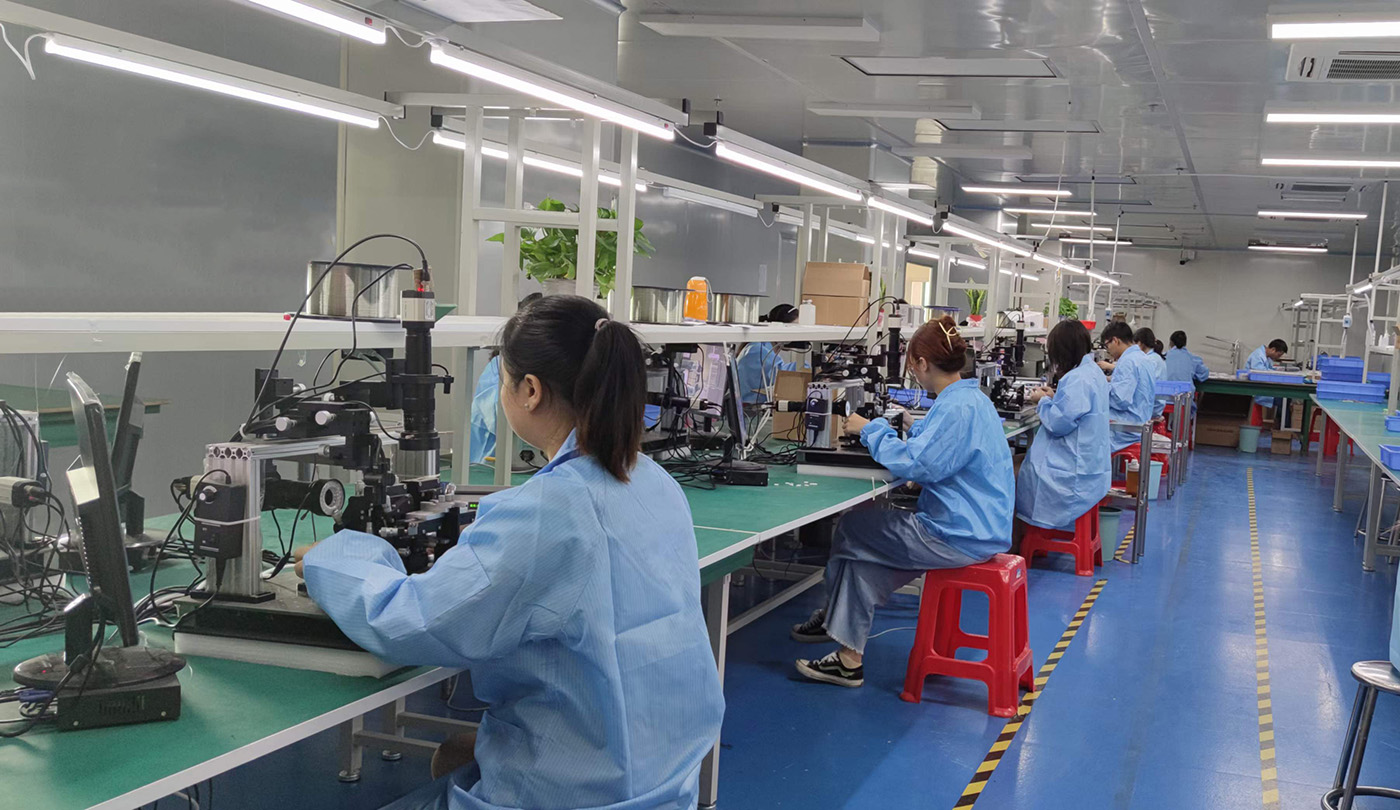
Established in 2012 in Hong Kong as a high-technology communication enterprise, Kocent Optec Limited has emerged as one of China's premier manufacturers and turnkey solution providers for fiber optic termination products. Over more than 13 years of refinement, we have dedicated our production capabilities to high-reliability active and passive optical communication modules.
Our business processes prioritize customer collaboration. We do not simply supply products; we partner with telecom operators, enterprise integrators, and industrial site builders to customize products for their specific operational footprints. Leveraging our robust production infrastructure, we optimize procurement timelines, enabling our clients to scale their networks faster and outperform competitors in demanding deployment environments.
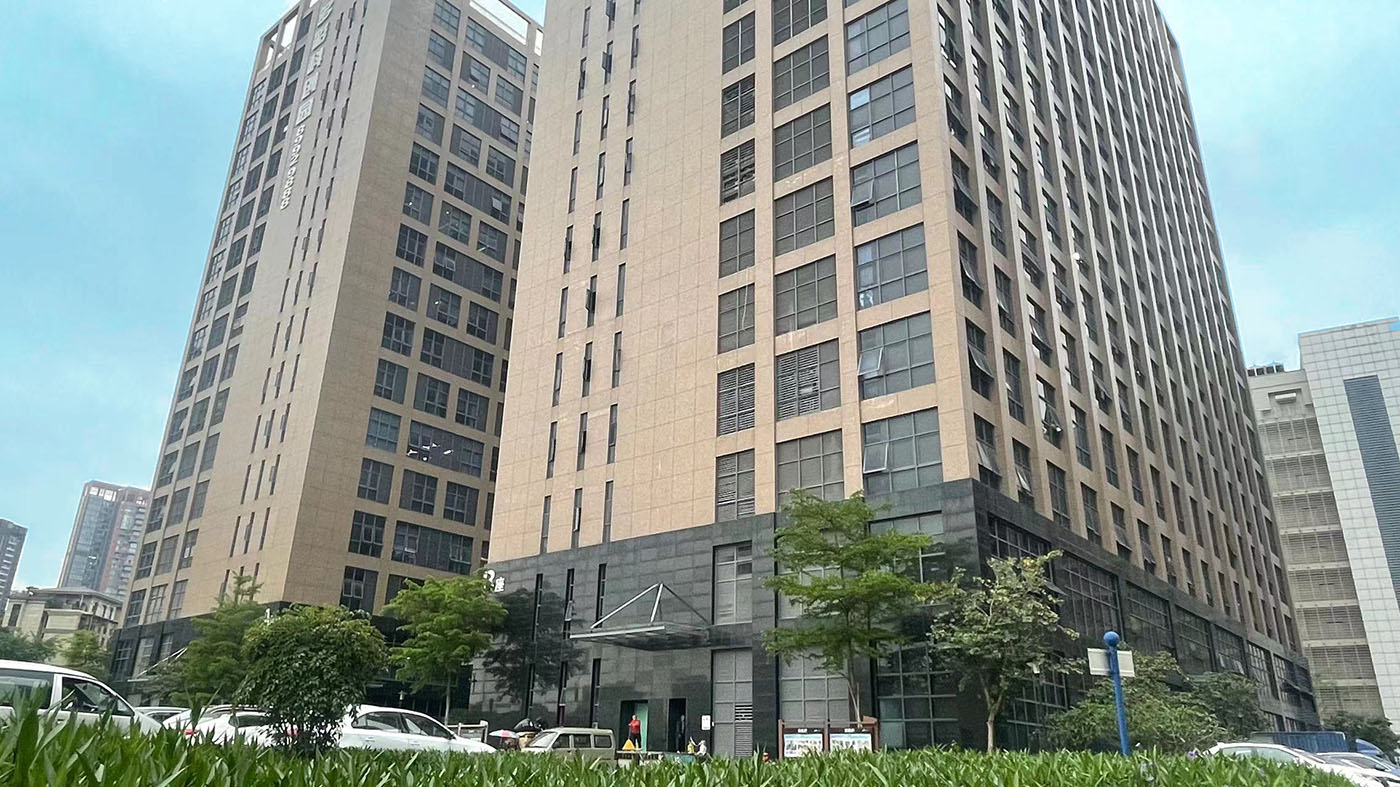
For network operations and infrastructure procurement managers in South Sudan, sourcing directly from Kocent Optec's advanced Chinese production facilities provides a key competitive advantage. Our supply chain configuration delivers high value through several key benefits:
Many of our OEM and ODM products have won international telecom operator tenders, meeting strict operator-level technical specifications. Our equipment supports critical links for leading carriers globally and regionally, including SingTel, Vodafone, America Movil, Telefonica, Bharti Airtel, Orange, Telenor, VimpelCom, TeliaSonera, Saudi Telecom, MTN, Viettel, Bitel, VNPT, Laos Telecom, MYTEL, Telkom, Telekom, Entel, FiberTel, StarFiber, Ooredoo, Beeline, and Azercell.
In South Sudan, high-speed connectivity is expanding beyond Juba. Implementing CPRI optical fibers between BBUs and tower-mounted RRUs reduces power consumption at base stations, mitigates lightning hazards associated with long copper runs, and supports dense channel spacing required for modern urban data demands.
The harsh, dusty environments of South Sudan's oil basins necessitate armored tactical fibers. Connecting remote sensors, security cameras, and flow monitoring stations back to central SCADA control centers requires reliable, low-latency links that resist hydrocarbon exposure and high soil temperatures.
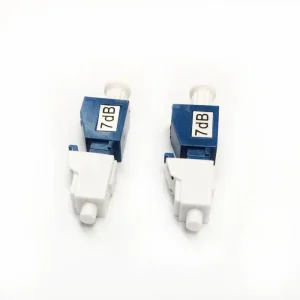
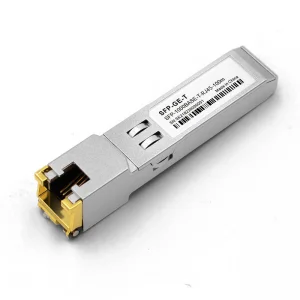
Explore our broader line of components designed for integration into telecommunication networks, regional data centers, and industrial FTTx topologies.
 KOCENT OPTEC