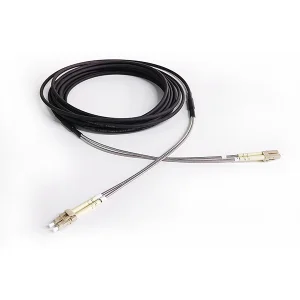
High-durability optical jumpers designed for critical Common Public Radio Interface (CPRI) backhaul configurations.
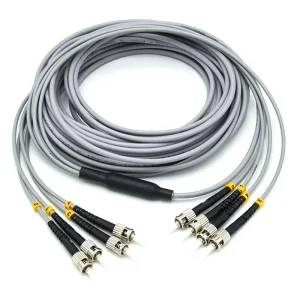
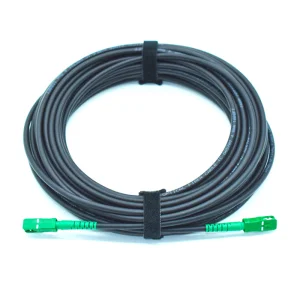
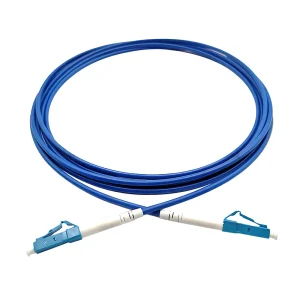
Pakistan’s telecommunication infrastructure is navigating a transformative era of modernization. Led by major mobile network operators (MNOs) like Jazz, Zong 4G, Telenor Pakistan, and Ufone, the push to scale up LTE networks and execute targeted 5G pilot trials is accelerating. This deployment calls for ultra-resilient fiber infrastructure.
The geographical diversity of Pakistan—spanning the superheated plains of Multan and Jacobabad (exceeding +50°C), the humid coastal environment of Karachi, and the freezing, high-altitude regions of Gilgit-Baltistan—presents unique deployment hurdles. Standard indoor fiber cables cannot survive the extreme UV radiation, temperature fluctuations, and moisture penetration typical of outdoor cellular tower setups. Armored CPRI (Common Public Radio Interface) and eCPRI patch cords are critical to bridging connections between ground-level Baseband Units (BBUs) and tower-mounted Remote Radio Heads (RRHs) reliably.
Engineering procurement contractors (EPCs) and operators across Pakistan now prioritize low insertion loss, dust-tight and waterproof IP67/68 connector systems, and robust outdoor jackets to secure network uptime and prevent premature signal degradation.

Navigating interface transitions, optical budgets, and environmental sealing protocols for high-capacity RAN architectures.
Traditional CPRI demands dedicated point-to-point dark fiber links with high line rates. eCPRI introduces packet-based interfaces running over Ethernet, allowing up to 10x capacity increases. Kocent Optec's fiber assemblies are designed to meet both Legacy CPRI (up to 10 Gbps) and eCPRI (25 Gbps/100 Gbps PAM4) operational specs.
Weatherproofing is crucial. Specialized outer locking connectors (including FullAXS, NSN boot, PDLC, and ODVA) safeguard LC terminations from monsoons, windborne dust, and constant solar heating, preventing physical connector shifting and high attenuation.
Tower routing features sharp bends and tight spaces. Standard G.652.D fiber can develop microbends that degrade optical budgets. G.657.A2 single-mode cores offer a reduced bending radius down to 7.5mm, maintaining system performance despite installation tension.
Integrated infrastructure architectures for modern cellular networks and dense urban distributions.
By connecting ground BBUs directly to remote radio units (RRUs) on high towers, our CPRI optical patch cords reduce transmission loss to near zero. Equipped with armored steel tape shields, these jumpers withstand mechanical tension and prevent rodent damage, making them ideal for deployments in semi-urban and agricultural areas across Punjab and Sindh.
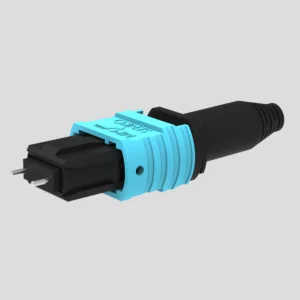
For operators upgrading existing 2G/3G/4G tower structures to 5G capability without structural overhauls, lightweight multi-core breakout optical assemblies are essential. These minimize tower wind-load profiles while increasing optical capacity, enabling seamless transition to eCPRI structures.
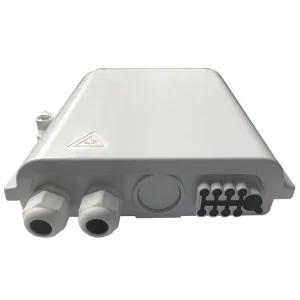
Beyond traditional cellular infrastructure, our tactical field cables and custom distribution boxes serve key industrial sectors in Pakistan, including railway signaling, power grids, and port automation systems in Karachi and Gwadar.
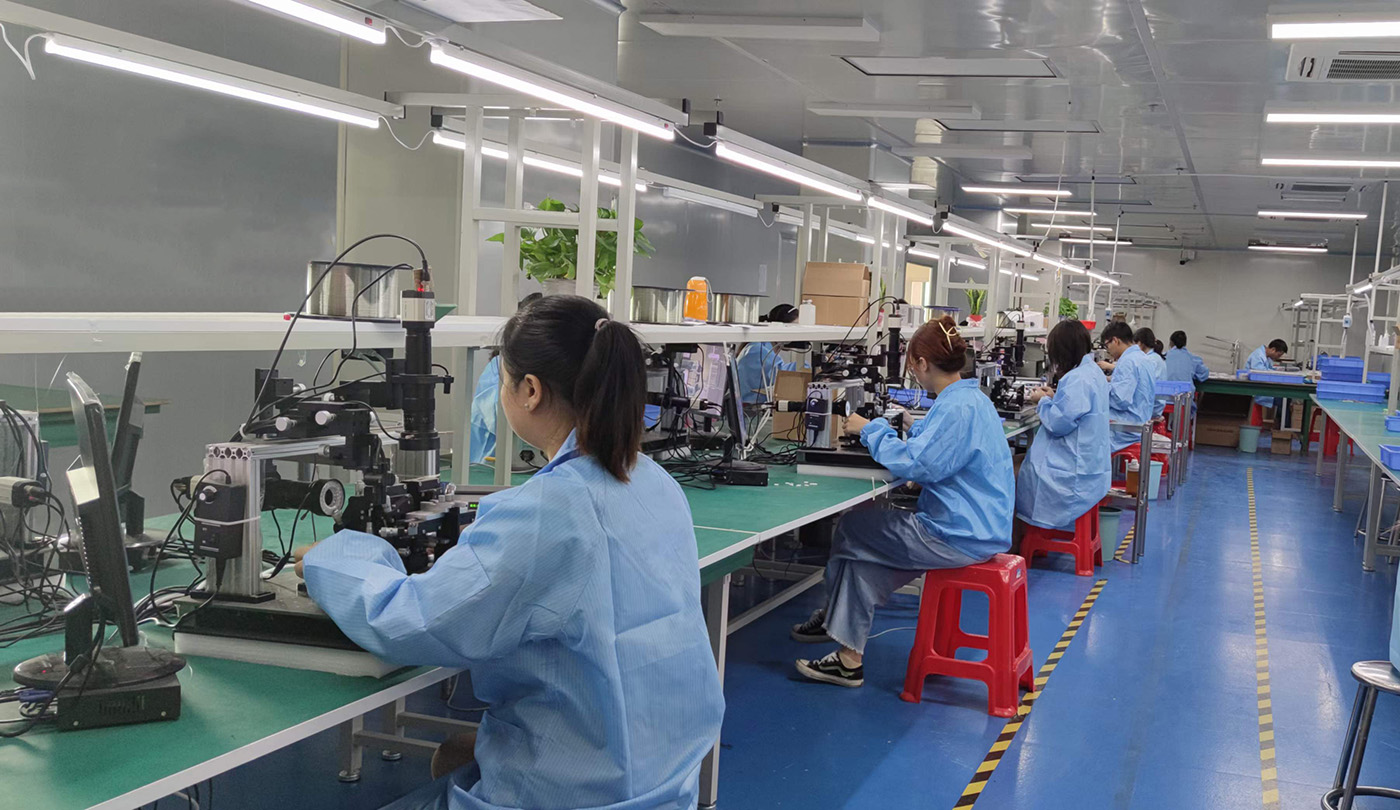
Kocent Optec Limited (established in 2012 in Hong Kong) operates high-efficiency manufacturing bases in mainland China. Our operations leverage automated polishing, 3D laser interferometry, and continuous alignment processing to meet strict international standards.
For Pakistani importers, telecommunication operators, and local distributors, partnering with a China-based manufacturer offers clear cost-efficiency and logistics advantages. By leveraging direct transport routes—including maritime freight shipping via Shenzhen/Guangzhou to Karachi Port, and overland road logistics through the Karakoram Highway—we provide dependable lead times and stable pricing.
We perform 100% optical geometry testing, insertion loss audits, and return loss checks on every production batch, ensuring reliable performance in demanding operating environments.
Aligning with local regulatory requirements and international technical standards.
Our fiber solutions align with Pakistan Telecommunication Authority (PTA) physical infrastructure guidelines, simplifying custom clearances and system integration for local operators.
Cables are shipped on heavy-duty, moisture-proof plywood reels designed to prevent tangling and optical damage during long-distance shipping and onsite deployment.
All materials are fully RoHS-compliant and manufactured under strict ISO 9001:2015 quality management procedures, assuring chemical safety and structural durability.
Many of our OEM and ODM products have been selected for Telecom Operator tenders, meeting end-user requirements for leading international carriers. Our terminal telecom operator footprint includes:
SingTel, Vodafone, America Movil, Telefonica, Bharti Airtel, Orange, Telenor, VimpelCom, TeliaSonera, Saudi Telecom, MTN, Viettel, Bitel, VNPT, Laos Telecom, MYTEL, Telkom, Telekom, Entel, FiberTel, StarFiber, Ooredoo, Beeline, Azercell.
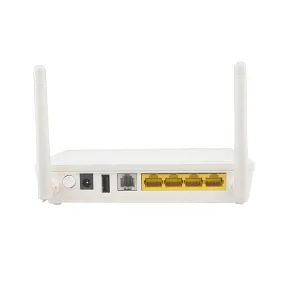
Explore our full line of compatible passive and active components for central offices and base stations.
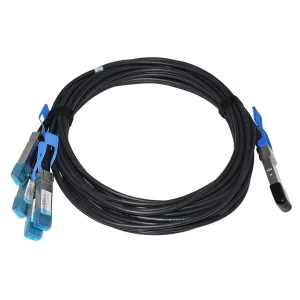
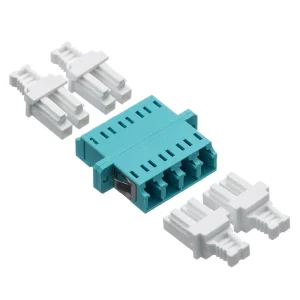
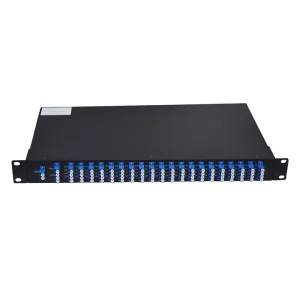
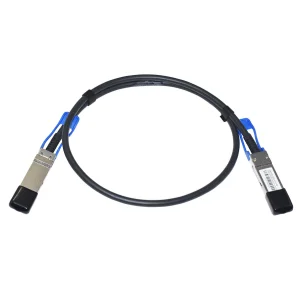
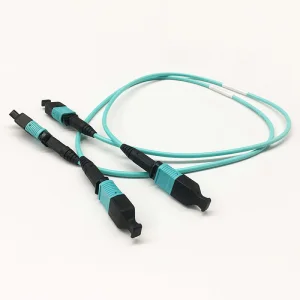
Essential factors for telecom purchasing managers, network architects, and field contractors.
Purchasing outdoor optical components for massive infrastructural frameworks requires focusing on specific, long-term performance criteria over short-term savings. Use this structural guideline when drafting technical requests for proposals (RFPs):
Answers to common technical, logistics, and customization questions about our CPRI patch cords.
 KOCENT OPTEC