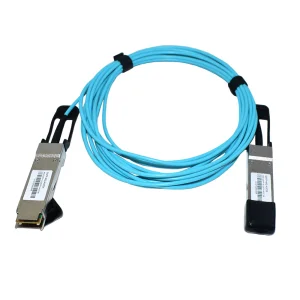
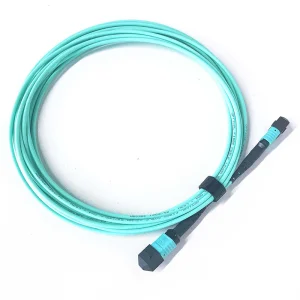
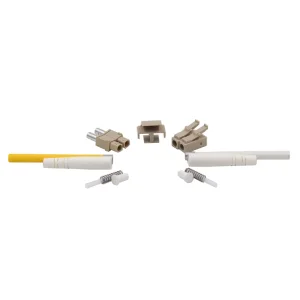
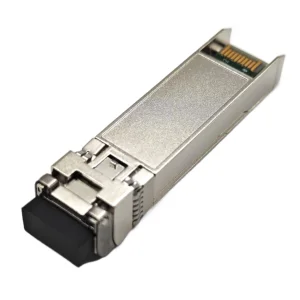
Browse our high-performance ODM/OEM catalog designed for high-density networks and advanced datacenter virtualization setups.
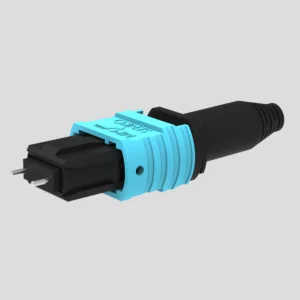
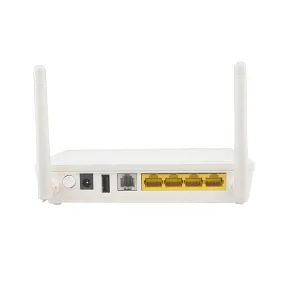
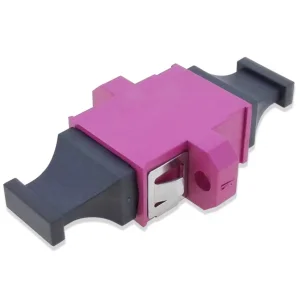
As standard enterprise networks upgrade from legacy 10G to high-speed 40G Ethernet, traditional hardware architectures require massive deployment of parallel fiber ribbon cables, typically utilizing costly 12-fiber MPO connectors. This standard mechanism significantly drives up the cost of physical media, connector modules, and optical distribution frames (ODF).
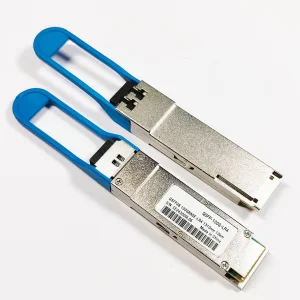
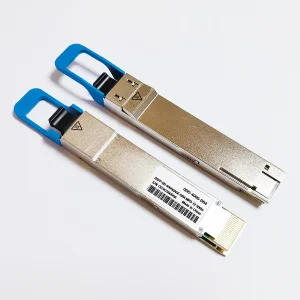
SEO Insight & Technical Gain: The 40G BiDi (Bidirectional) QSFP+ transceiver bypasses this limitation. By leveraging Wavelength Division Multiplexing (WDM) over two distinct wavelengths (commonly 850nm and 900nm) simultaneously transmitting and receiving on each single-strand duplex LC multimode fiber (MMF), it allows operators to reuse existing 10G duplex LC fiber infrastructures. This achieves up to a 60% CAPEX savings in raw physical fiber installation.
Instead of 4 independent lanes transmitting on separate fibers, 40G BiDi modules utilize two 20Gb/s channels sent over different wavelengths (850nm & 900nm) on a single duplex LC interface, maintaining maximum performance without physical expansion.
Allows system engineers to swap out 10G SFP+ modules directly with 40G QSFP+ BiDi transceivers while retaining 100% of existing OM3/OM4 fiber patches. No expensive MPO migration is required.
Modern production techniques allow custom EEPROM coding of these optical units to ensure total compatibility with enterprise switches like Cisco, Arista, Juniper, and Huawei.
Data center network architectures are continuously optimizing total cost of ownership (TCO). Procurement managers sourcing "cheap 40g bidi manufacturers" face the ongoing challenge of striking a balance between initial hardware pricing and network compatibility. A direct-from-manufacturer procurement approach provides substantial benefits over regional distributor markups.
| Procurement Parameters | Direct OEM Manufacturer (Kocent Optec) | Third-Party Retail Distributors | Original Brand OEM (Cisco/Arista) |
|---|---|---|---|
| Unit Cost (Avg.) | Highly Competitive (Factory Direct Pricing) | Marked up 20% to 45% | Premium pricing (Up to 300% markup) |
| Custom Compatibility Encoding | Direct physical lab configuration | Static stock (limited compatibility adjustments) | Locked to proprietary hardware |
| Lead Times | Flexible production slots for bulk orders | Subject to local warehouse availability | Often delayed by supply chain constraints |
| Quality Testing | 100% test bench protocol with test reports | Random inspection or untested batches | Reliable proprietary standard testing |
Sourcing directly from an established optic manufacturer in China, like Kocent Optec, allows system integrators to secure bulk pricing while ensuring each transceiving component conforms to strict international multisource agreements (MSA).
Established in 2012 in Hong Kong as a high-tech communication enterprise, Kocent Optec Limited has emerged as one of China's premier fiber optic termination product manufacturers and system solution providers.
We are dedicated to developing and manufacturing high-performance fiber optic communication products. Our offerings range from passive termination hardware to active optoelectronic transceivers designed for modern telecommunication networks, enterprise structures, and hyper-scale datacenters.
Leveraging our extensive manufacturing experience and production capacity, we support our valuable clients in expanding their core infrastructure competencies and staying ahead of market changes. We emphasize deep collaborative partnerships, framing our services as a core advantage to our clients' bottom lines.


With more than 13 years of technical experience in manufacturing telecommunication fiber optic products, we strictly adhere to rigorous industrial fiber optic standards. Using mature, scientifically backed methodologies, we optimize production cycles to guarantee timely delivery.
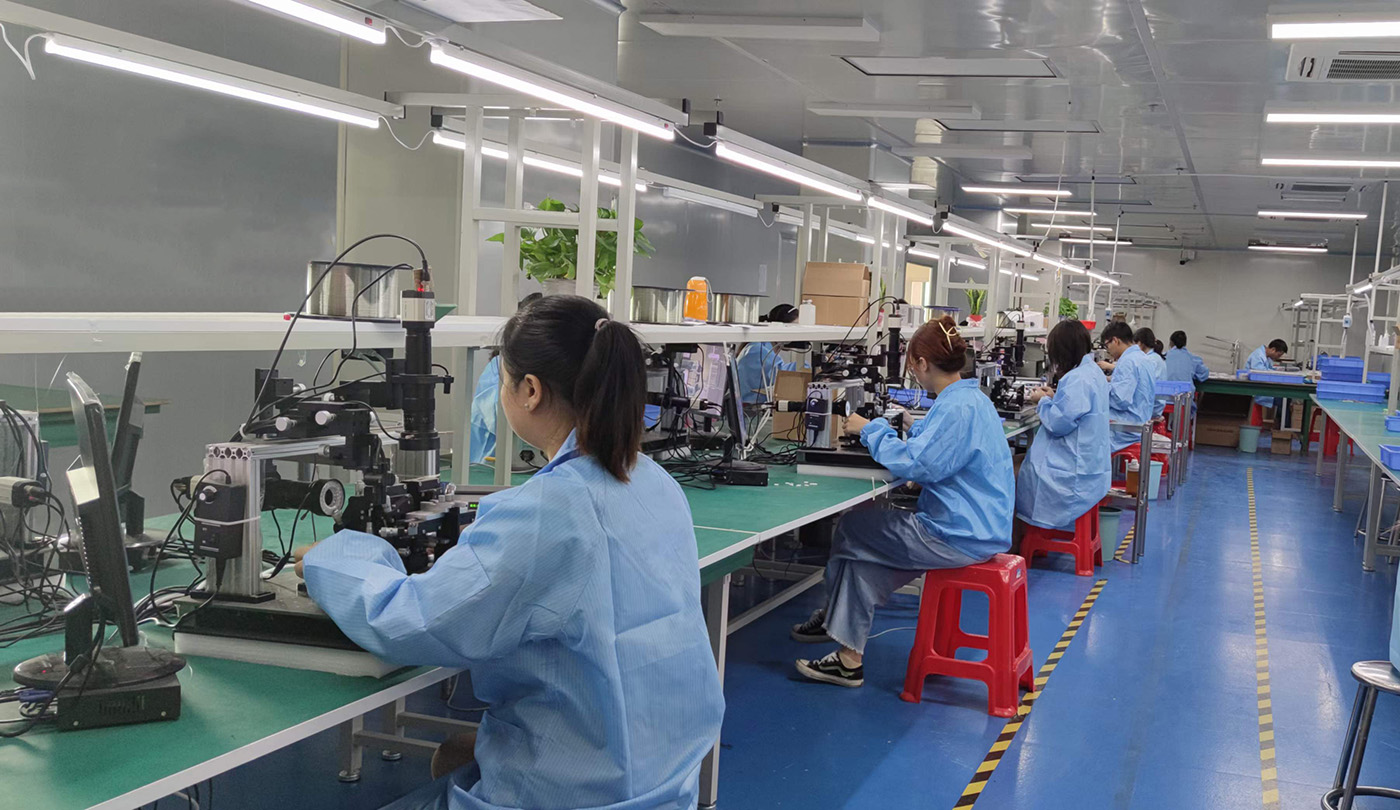
Every single batch of transceivers, adapters, and passive components undergoes comprehensive test bench routines to verify parameters like insertion loss, return loss, and wavelength stability. This ensures 100% functional integrity before packaging and shipment.
Years of dedicated service, rigorous quality control, and direct engineering consultations have enabled Kocent Optec to build a global network of partners. Today, our footprint spans East Asia, Southeast Asia, the Middle East, Eastern Europe, Western Europe, Northern Europe, South America, North America, North Africa, and South Africa.
Telecom Standards Alignment: Our active and passive fiber optic products meet the standards of major international telecommunications operators. Many of our OEM and ODM products have been selected in formal carrier tenders, meeting stringent operational parameters.
Our solutions interface seamlessly within carrier networks, including major operators such as SingTel, Vodafone, America Movil, Telefonica, Bharti Airtel, Orange, Telenor, VimpelCom, TeliaSonera, Saudi Telecom, and MTN.
Our products are also deployed in emerging carrier networks, supporting operators like Viettel, Bitel, VNPT, Laos Telecom, MYTEL, Telkom, Telekom, Entel, FiberTel, StarFiber, Ooredoo, Beeline, and Azercell.
We design our optical assemblies to exceed baseline parameters for Telcordia GR-326-CORE, ITU-T recommendations, and IEEE 802.3 Ethernet protocols to ensure smooth global deployments.
Modern IT structures require highly scalable technology. When deploying 40G QSFP+ BiDi transceivers, network architects also plan for future migrations to 100G and 400G. The optical distribution system must remain compatible as transmission rates increase.
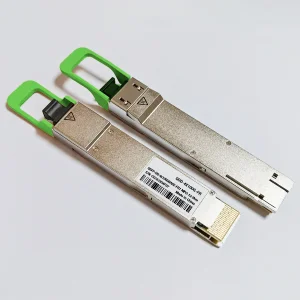
By routing signals via BiDi modules, data centers establish a path to migrate to 100G BiDi (using PAM4 modulation on dual wavelengths, like 850nm and 910nm) without replacing existing duplex LC fiber links. This minimizes network downtime and avoids the need for new cabling installations.
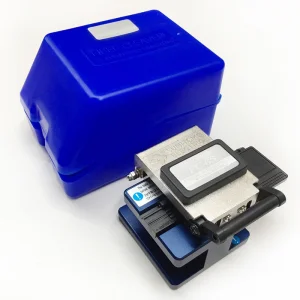
Browse additional passive components, ultra-high-speed transceivers, and tooling solutions in our manufacturing lineup.
 KOCENT OPTEC