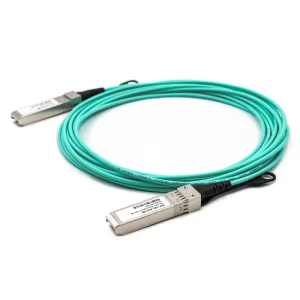
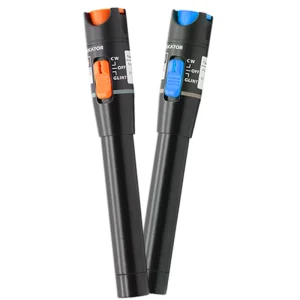
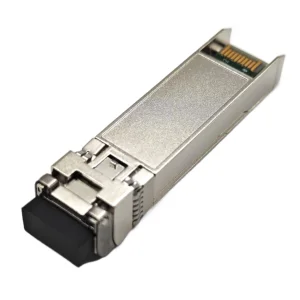
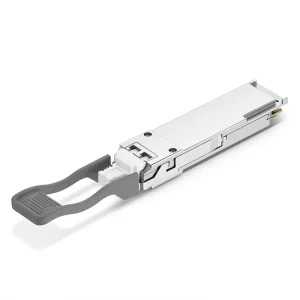
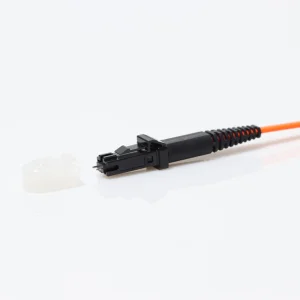
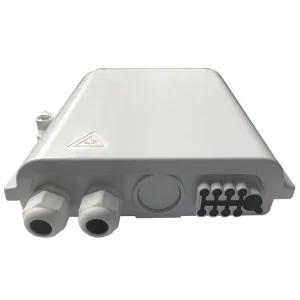
Direct from our manufacturing hubs: highly compatible, tested optical assemblies and active hardware.
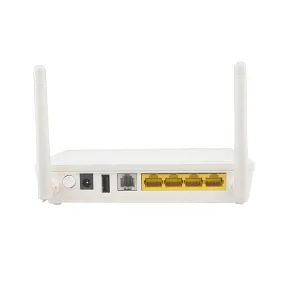
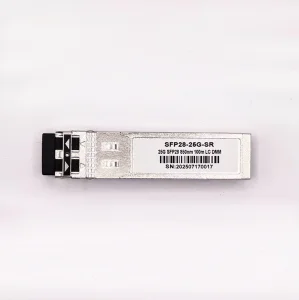
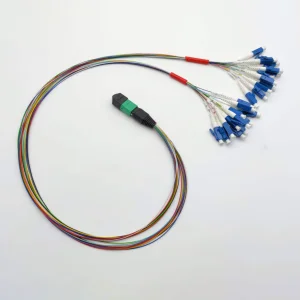
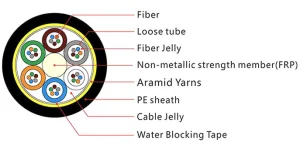
Armored Optical Fiber Cable (OFC) represents the gold standard for high-durability telecommunication networks. When deploying optical backbones in harsh environments—such as direct-buried lines, duct installations prone to rodent attacks, or industrial areas with heavy machinery—standard fiber optic cables risk severe mechanical failure. Armoring provides the essential protective shell needed to preserve data integrity.
By leveraging helical or corrugated steel tape, wire braiding, or interlocked aluminum wraps, armored cables shield fragile silicon glass cores from crushing forces, rodent gnawing, tensile tension, and moisture ingress. Sourcing from direct manufacturing hubs allows operators to customize armor thickness, jacket ratings (LSZH, PE, PVC), and fiber types (G.652.D, G.657.A1, OM3, OM4) while securing factory-direct pricing to minimize CAPEX.
From deep-sea links to extreme industrial zones, armored optical fiber cables serve as the primary vascular network of digital society.
Securing long-haul trunk routes and high-density fiber-to-the-home (FTTH) networks against accidental excavation and environmental stress, ensuring continuous uptime for tier-1 telecom operators.
Operating reliably in refineries, chemical plants, and smart mines. Armored cables withstand extreme heat, oil exposure, crushing forces, and severe electromagnetic interference (EMI) typical in factory floors.
Ensuring ultra-high-density patch networks running under raised floors or overhead cable ladders remain protected from physical compression and macro-bending performance degradation.
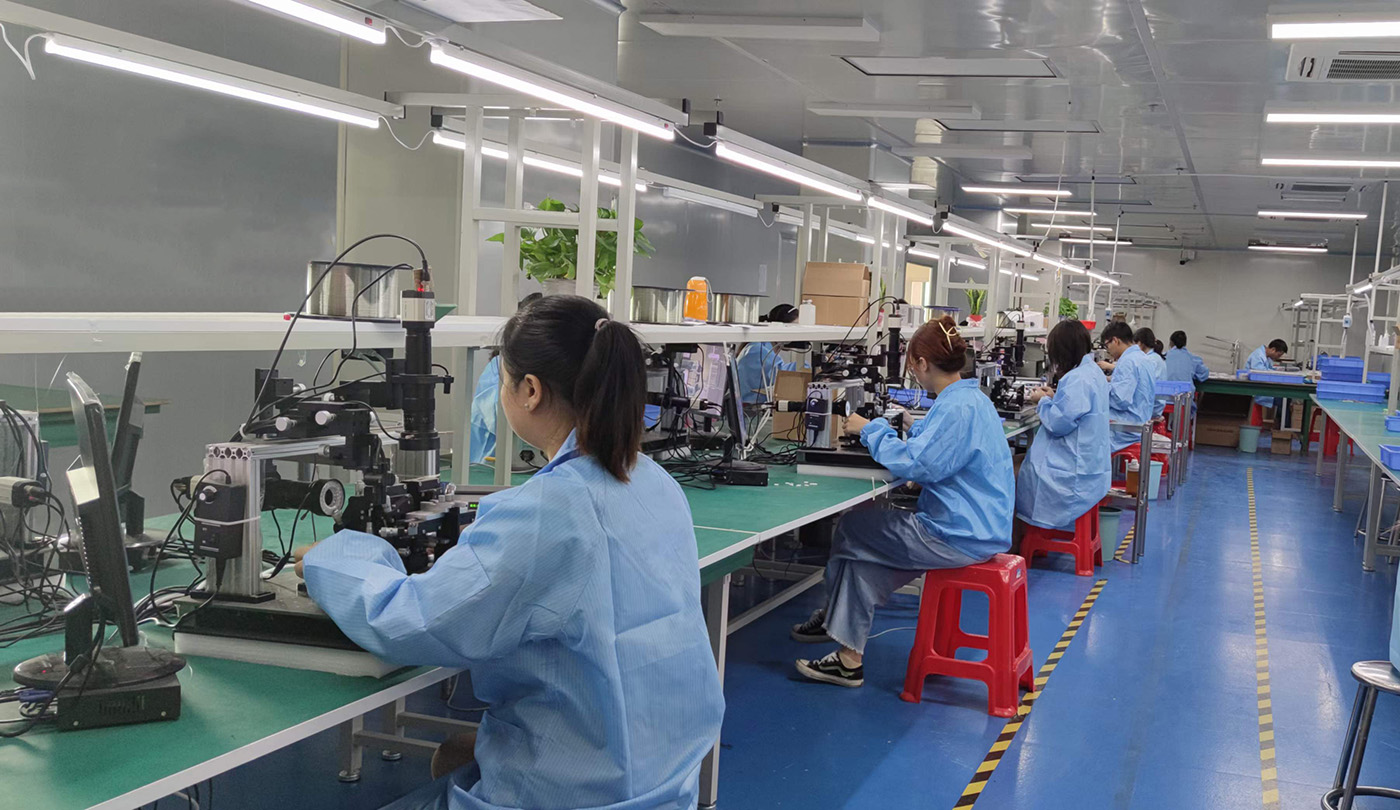
The manufacturing landscape for armored OFC is evolving rapidly from heavy, rigid steel conduit layers to highly flexible, micro-armored, and composite designs.
Key Engineering Trends:
Why sourcing direct from Chinese optical hubs guarantees unmatched cost efficiencies, modern quality control, and scalable production capacity.
Chinese factories leverage localized supply chains for raw silica preforms, steel tapes, and advanced polymer compounds (LSZH, HDPE). This vertical integration minimizes supply chain bottlenecks and stabilizes pricing.
Using advanced OTDR verification, tension test beds, water penetration tests, and environmental cycling chambers. Our factory tests 100% of shipments before departure to guarantee failure-free network deployment.
Situated adjacent to deep-water shipping lanes in Hong Kong and Shenzhen. These shipping hubs guarantee competitive freight rates, streamlined customs clearance, and rapid global delivery timelines.
Evaluate different armoring methodologies to match your specific deployment site requirements.
| Armor Material Type | Common Application | Crush Resistance (N/100mm) | Tensile Strength (Long-Term) | Flexibility & Install Ease |
|---|---|---|---|---|
| Corrugated Steel Tape (CST) | Direct Buried & Duct Networks | ≥ 3000 | High (Up to 1500 N) | Moderate (Larger bend radius) |
| Steel Wire Armored (SWA) | Submarine & Heavy Vertical Shafts | ≥ 5000 | Very High (Up to 5000 N) | Low (Heavy and rigid structure) |
| Interlocking Aluminum Armor (AIA) | Indoor Plenum & Risers | ≥ 1500 | Moderate (Up to 800 N) | High (Excellent bend radius) |
| Dielectric Glass Yarn Armor | Aerial ADSS & High-Voltage Conduits | ≥ 1000 | High (Span-dependent) | Very High (Lightweight & flexible) |
A trusted global manufacturer and strategic partner in high-fidelity fiber optic termination products since 2012.
Established in 2012 in Hong Kong as a hi-tech communication enterprise, Kocent Optec Limited has grown to become one of China's leading fiber optic termination product manufacturers and solution providers.
We are dedicated to developing and manufacturing high-reliability fiber optic communication products ranging from passive components to active network transceivers. Our solutions serve telecommunication networks, enterprise infrastructure, and massive-scale data centers worldwide.
By leveraging our extensive manufacturing experience and high-capacity production lines, we help our clients expand their core market competencies. We pride ourselves on collaborative partnerships, aligning our manufacturing strengths with your design requirements.

Our quality assurance program guarantees compliance with strict global standards. Our products are tested and validated to perform under challenging conditions. Many of our OEM and ODM assemblies have successfully won telecom operator tenders globally.
Our Valued Telecom Operator End-Users Include:
SingTel, Vodafone, America Movil, Telefonica, Bharti Airtel, Orange, Telenor, VimpelCom, TeliaSonera, Saudi Telecom, MTN, Viettel, Bitel, VNPT, Laos Telecom, MYTEL, Telkom, Telekom, Entel, FiberTel, StarFiber, Ooredoo, Beeline, Azercell.
Deploying infrastructure globally requires strict adherence to regional safety, physical, and environmental standards.
We supply cables compliant with European Construction Products Regulation (CPR) Euroclasses (e.g., B2ca, Cca, Dca) utilizing Low Smoke Zero Halogen (LSZH) compound jackets to ensure public safety in indoor venues.
All single-mode glass options conform strictly to ITU-T G.652.D and bend-insensitive G.657.A1/A2 specifications. This ensures low attenuation parameters across O, E, S, C, and L wavelength bands.
Our termination assemblies, patch cords, and breakout harnesses undergo testing to conform to GR-326 mechanical, environmental, and optical durability standards, guaranteeing reliable field performance.
Expert procurement insight to help you secure accurate armored fiber optic cable quotes.
Corrugated steel tape (CST) uses a longitudinal wrap of steel coated with a polymer layer, providing excellent moisture protection, rodent resistance, and crush resistance in outdoor, direct-burial environments. Interlocking armor (usually aluminum or steel) is helically wrapped, which gives the cable high flexibility and impact protection, making it ideal for indoor conduits, risers, and data center pathways.
Sourcing directly from Chinese factories like Kocent Optec Limited eliminates broker markups. Additionally, it allows you to customize the raw materials to fit your project's specific mechanical and safety requirements. This tailored manufacturing approach avoids over-specifying cable structures (e.g. choosing steel tape instead of more expensive wire armor when suitable), reducing costs without compromising reliability.
Yes. The primary reason for deploying metal-armored (CST or steel wire) cables in underground ducts is to create a physical barrier against rodents. For applications where electrical grounding is a concern, dielectric anti-rodent cables can be specified. These utilize high-density glass yarns or specialized fiberglass reinforcement rods (FRP) to deter rodent bites without using metal.
Ensure that your RFQ specifies compliance with IEC 60794 mechanical test protocols (governing crush, impact, tension, and torsion), ITU-T standards for fiber glass characteristics, and Telcordia GR-326-CORE for pre-terminated patch configurations. A reputable manufacturer should provide test documentation, including OTDR traces, for every reel shipped.
Depending on core configuration and jacket specifications, standard factory production cycles range from 2 to 4 weeks. High-density structures or custom compounds may require slightly longer timelines, which can be optimized through scheduled production agreements.
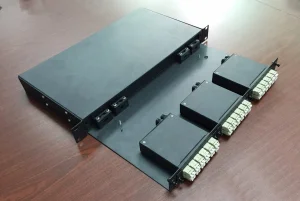
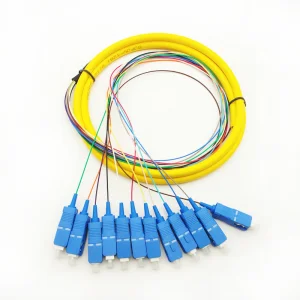
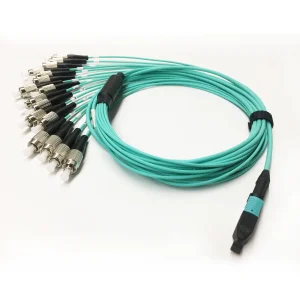
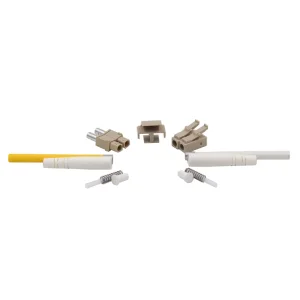
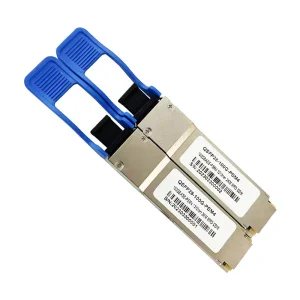
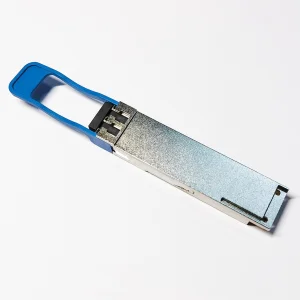
Complete your network installation with our factory-tested patch panels, optical breakout systems, and distribution hardware.
 KOCENT OPTEC