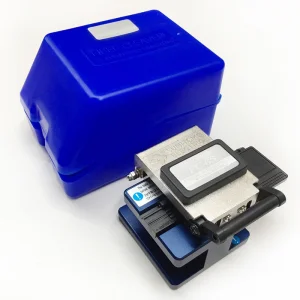
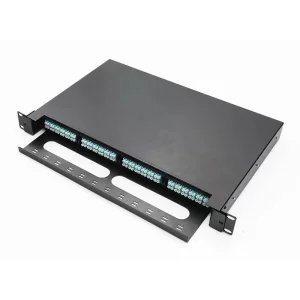
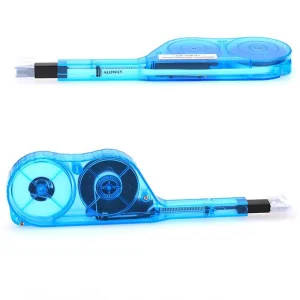
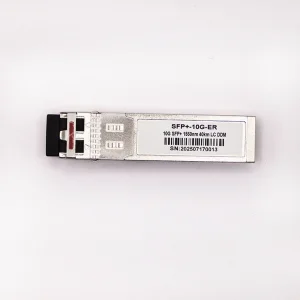
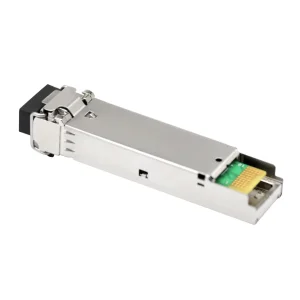
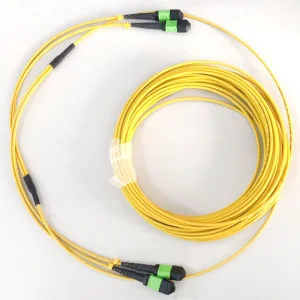
Pre-engineered FTTH equipment, passive transceivers, and optical splitters directly sourced from premium China production lines.
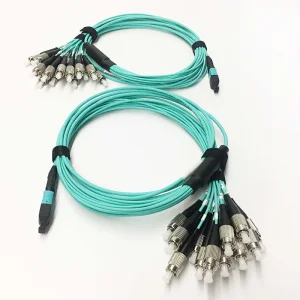
An Industrial Deep Dive into Cost-Optimization, Quality Assurance, and Hardware Procurement Planning
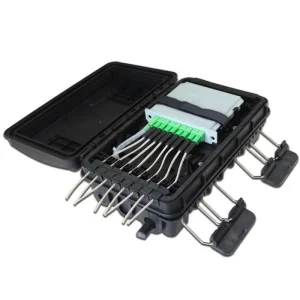
In the telecommunications sector, the phrase "Cheap Fiber Access Terminal Suppliers" often sparks debate. Experienced network engineers and procurement officers understand that true cost-efficiency does not imply a sacrifice in technical integrity. To achieve long-term capital efficiency, operators must target optimized cost-to-performance metrics rather than looking only at initial price tags. A low-grade Fiber Access Terminal (FAT)—alternatively known as a Fiber Distribution Box (FDB) or Optical Termination Box (OTB)—can lead to high operational expenditures (OpEx) due to structural degradation, fiber macrobending issues, water ingress, and mechanical failure at connection points.
Strategic sourcing focuses on identifying suppliers capable of driving down production costs through automated vertical integration, scaled material sourcing, and localized supply chain clusters in China. By combining these structural advantages with rigorous testing procedures, premium manufacturers can supply optical termination equipment that complies with international standards while staying within tight budgets. This optimization ensures that passive optical networks (ODNs) maintain an operational lifespan of over 20 years, even in harsh environmental conditions.
The Pearl River Delta, encompassing Hong Kong and Shenzhen, remains the global center for fiber optic hardware manufacturing. This concentration offers several key advantages that allow companies like Kocent Optec Limited to deliver premium terminal equipment at competitive prices:
Direct proximity to high-performance plastics suppliers (such as flame-retardant LSZH, polycarbonate, and ABS compounds) allows for rapid production cycles and consistent material quality.
High-volume manufacturing lines amortize tooling costs across millions of units, reducing the per-unit cost of complex multi-port terminal boxes, splice trays, and adapter plates.
Modern CNC machining and automated plastic injection processes ensure that sealing gaskets (IP65 to IP68) achieve tight tolerances, preventing water and dust entry.
Additionally, this manufacturing ecosystem facilitates flexible customization. Whether an operator requires a wall-mounted box for high-density FTTH or a pole-mounted terminal box for suburban GPON extensions, Chinese suppliers can adapt mechanical drawings, custom splice layouts, and pre-connectorized configurations much faster than regional manufacturers elsewhere.
For global enterprise buyers, purchasing cheap fiber terminals is only viable when the products meet international engineering standards. Sourcing without verifying these criteria risks premature infrastructure failure and optical signal degradation. The critical standards for Fiber Access Terminals include:
Experienced network planning leads look beyond the initial purchase price to calculate the Total Cost of Ownership (TCO). A lower purchasing cost can sometimes lead to higher installation times and maintenance costs. Selecting the right terminal design helps balance these financial demands:
Pre-connectorized FAT boxes utilize external hardened adapters (like Mini-SC or ODVA). Field technicians can simply plug in pre-terminated drop cables, eliminating the need to open the terminal enclosure or perform fusion splicing on-site. This can reduce installation labor costs by up to 50%.
Using modular splitter cassettes (such as 1x4, 1x8, or 1x16 PLC splitters) allows operators to scale capacity as subscriber numbers grow. Instead of paying for a fully loaded terminal on day one, companies can install the enclosure and add splitters as new customers sign up.
A well-designed splice tray maintains a minimum bend radius of 30mm for optical fibers. This prevents macrobending losses and fiber stress, protecting signal quality and reducing the need for maintenance troubleshooting calls.
As broadband demands increase, the fiber optics industry is shifting toward next-generation Optical Distribution Networks (ODN). These networks feature new structural designs:
Fiber-to-the-Room (FTTR): While FTTH delivers fiber to the building boundary, FTTR extends optical cabling directly into individual rooms. This requires compact, visually unobtrusive indoor terminals and micro-drop cables that can navigate tight interior corners without signal loss.
Pre-connectorized ODN (Quick-Connection): Traditional splicing is highly dependent on clean conditions and experienced technicians. Pre-connectorized terminal technologies allow for plug-and-play installation, reducing setup times and minimizing the risk of contamination in the field.
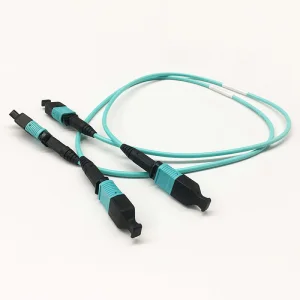
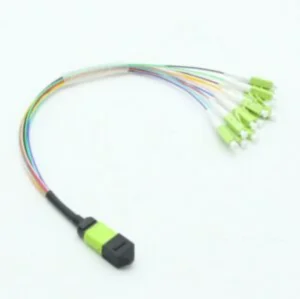
High-Density Convergence: Modern urban areas require terminals that can manage both residential FTTH drops and small-cell 5G wireless backhaul connections. As a result, terminals must support hybrid combinations of standard single-mode fibers, high-density MPO/MTP trunk cables, and coaxial power feeds.
The choice of terminal box depends heavily on the specific regional environment where it will be installed. Sourcing generic hardware without accounting for localized conditions can lead to early product failure. Key environmental factors include:
Your Trusted Partner in Fiber Optic Connectivity Solutions
Established in 2012 in Hong Kong as a high-tech communication enterprise, Kocent Optec Limited has grown to become one of China's leading fiber optic termination product manufacturers and solution providers.
We specialize in developing and manufacturing fiber optic communication products, ranging from passive components to active modules, for telecommunication networks, enterprise structures, and modern data centers.
By leveraging our production capacity and industry experience, we help our customers improve network reliability and maintain competitive operational advantages. We prioritize close customer collaboration and view ourselves as a long-term partner in optical connectivity solutions.
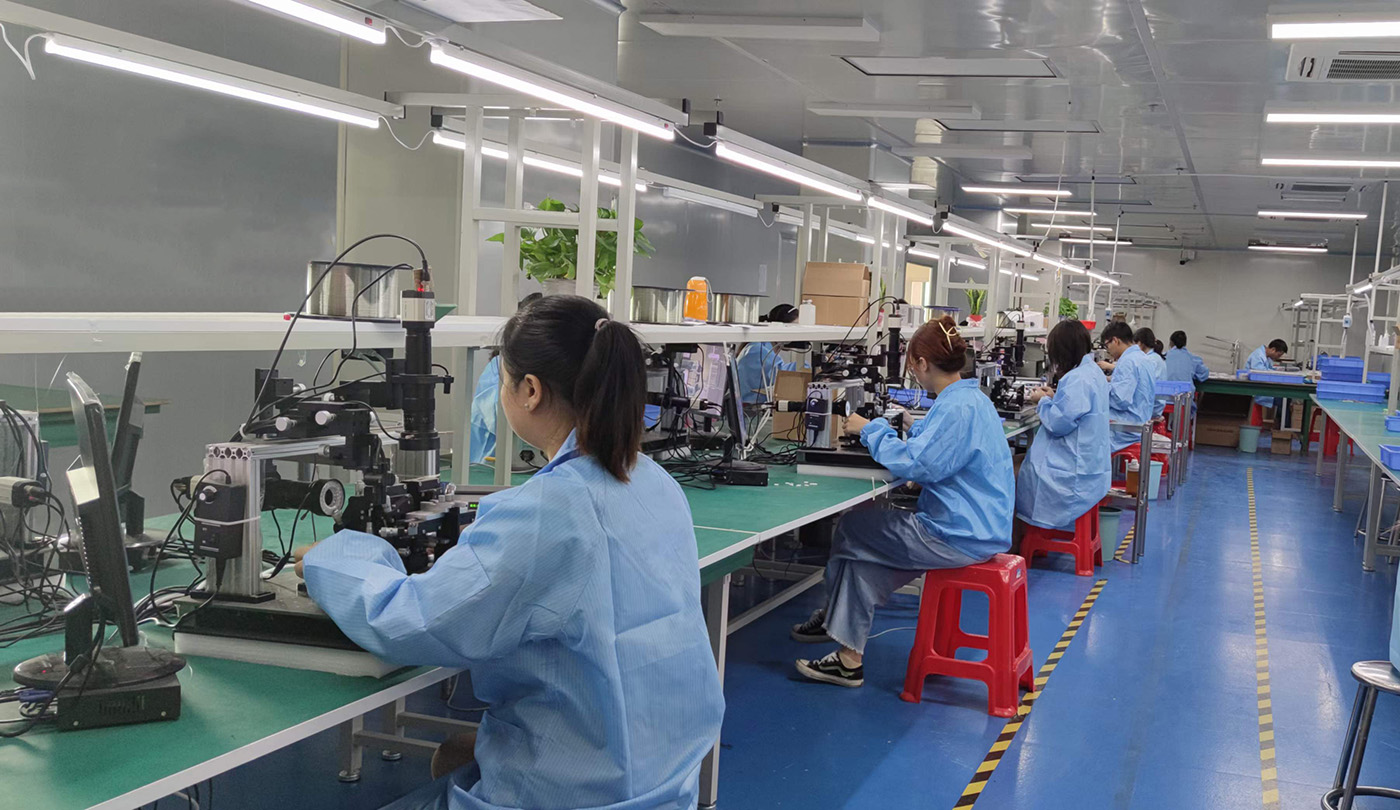
With over 13 years of experience in manufacturing telecommunication fiber optic products, we strictly follow industry standards. We apply mature scientific testing methods to ensure that 100% of our products are fully inspected and tested before shipment.
Our OEM and ODM products have helped win major telecom operator tenders worldwide. Our components are deployed in networks run by:


Direct answers to common questions about network design, compliance, and product customization.
Outdoor terminals should be made from high-impact polycarbonate (PC) or a blend of Acrylonitrile Butadiene Styrene (ABS) and PC. These materials provide excellent resistance to impact, UV rays, and extreme temperatures. They should also carry a UL 94-V0 flame-retardant rating to meet local safety regulations.
Pre-connectorized terminals feature pre-installed, sealed external adapters. This allows technicians to connect drop cables without opening the main enclosure or performing fusion splicing on-site. It simplifies the installation process, reduces labor hours, and minimizes the risk of dirt or moisture contaminating the optical connections.
An IP65 rating indicates the box is protected against dust and low-pressure water jets from any angle. IP66 provides protection against stronger high-pressure water jets, making it suitable for wet environments. IP67-rated enclosures can withstand temporary immersion in water up to 1 meter deep, making them ideal for underground handholes or areas prone to minor flooding.
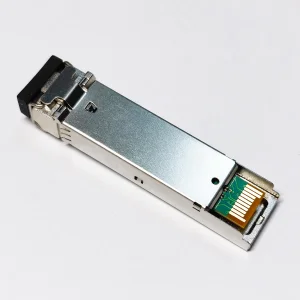
Every product goes through testing at multiple stages of assembly. For passive products like patch cables and splitters, we test insertion loss (IL) and return loss (RL) using automated optical test stations. For active transceivers, we conduct diagnostic checks and compatibility tests on target network hardware before packaging and shipping.
Yes. We offer fully customizable ODM/OEM configurations. This includes options for various adapter styles (SC, LC, FC, ST), internal splitter configurations (1:4, 1:8, 1:16, 2:32), integrated splice trays, and custom screen-printed logos or labels to match your network design requirements.
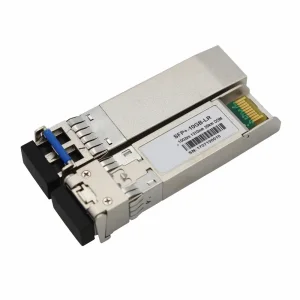
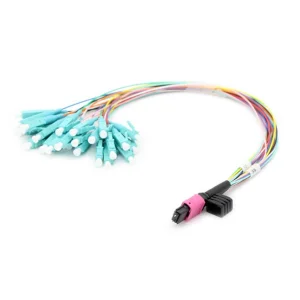
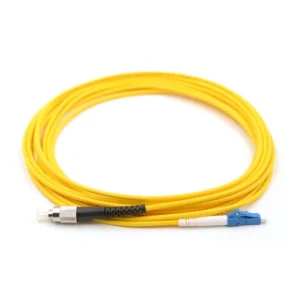
Reliable components for optical transport and high-speed data transmission in telecommunication networks.
 KOCENT OPTEC