In the context of scaling enterprise IT architectures, cloud infrastructure, and telecommunication networks, fiber management is no longer a trivial consideration. The 2U Fiber Patch Panel represents the optimized convergence of density, modular accessibility, and thermal management. Unlike 1U setups which often constrain hand accessibility, or 4U structures that require substantial rack space, a 2U distribution frame offers the sweet spot for intermediate-to-high capacity distribution centers.
By leveraging standardized 19-inch rack integrations, modern 2U panels act as the critical routing nodes that connect backbone trunk cables to active transmission switches. They are designed to host splice trays, modular LGX cassettes, and fiber adapter plates, ensuring that signal attenuation remains minimized through calculated bend-radius control and optimal cable routing design.
The technological trajectory of fiber optic distribution frames is governed by the demand for higher bandwidth, reduced latency, and rapid deployment capabilities.
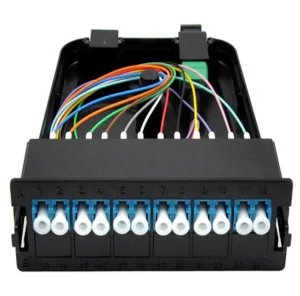
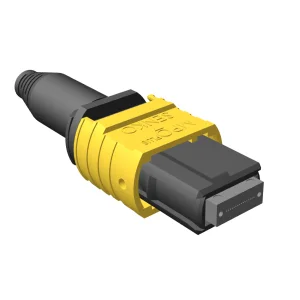
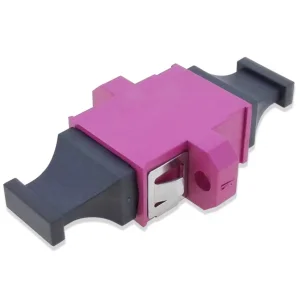
Modern data centers are transitioning from 10G/40G to 100G, 400G, and 800G fabrics. This shift necessitates patch panels that support high-density MTP/MPO cassettes. Standard 2U panels are moving from point-to-point splicing to modular plug-and-play cassette arrays that convert multi-fiber backbone cables into duplex LC channels instantaneously.
Maintenance overhead is a significant factor in network downtime. Evolution in chassis mechanics now prioritizes slide-out trays with lockable positioning and pivoting drawers. This allows engineers to service individual connections on the patch panel without disturbing adjacent live fiber lines.
As spacing within the 2U drawer decreases, the physical stress on individual fiber patch cords increases. Manufacturer trends focus heavily on integrating bend-radius limiters within structural components to protect G.657.A1 and G.657.A2 single-mode fibers, maintaining transmission integrity.

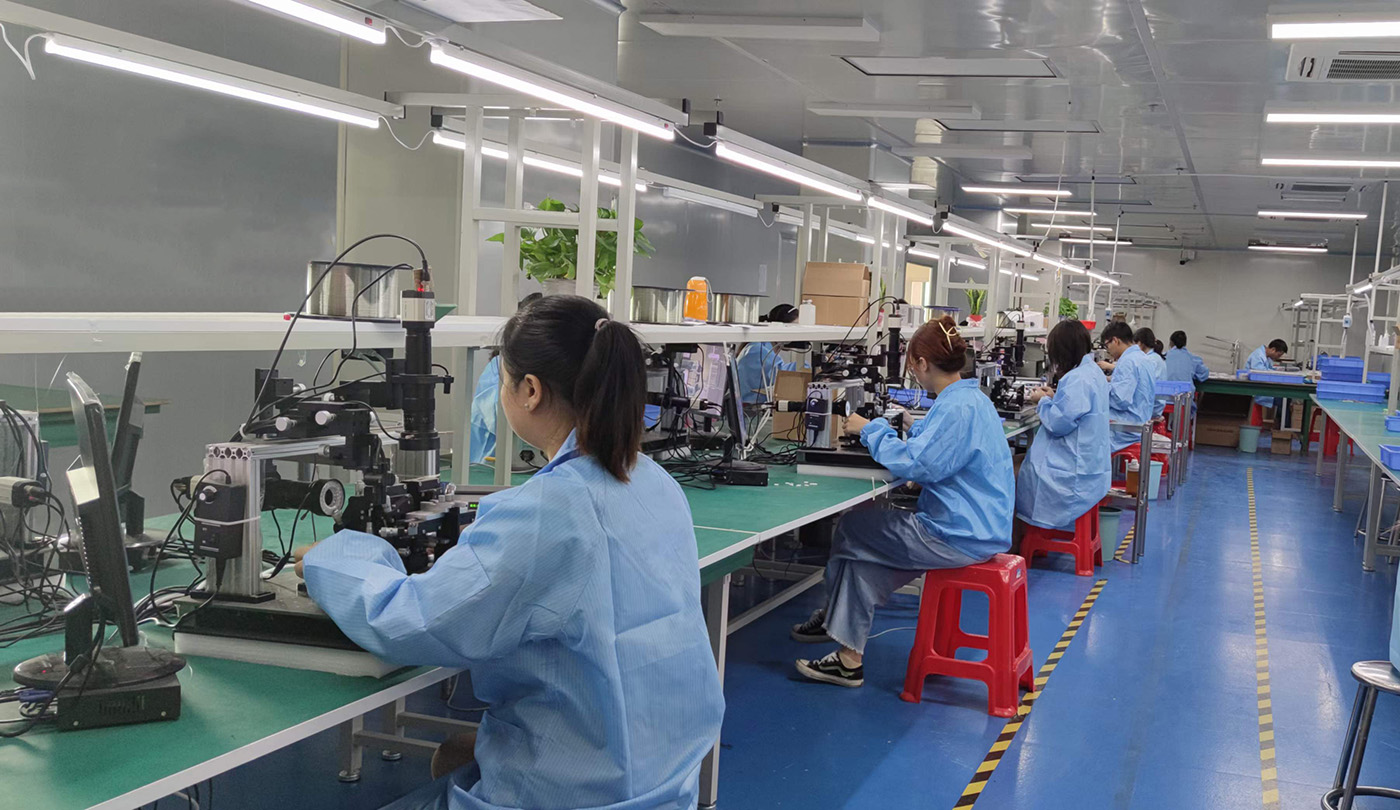
Established in 2012 in Hongkong as a hi-tech communication enterprise, Kocent Optec Limited is one of China's leading fiber optic termination product manufacturers and solution providers.
We are dedicated to developing and manufacturing fiber optic communication products ranging from passive to active categories for telecommunication networks, enterprise networks, and high-performance data centers. By leveraging our extensive industry experience and excellent production capacity gained over the years, we magnify the outcome for our valuable customers, which ultimately expands their core competencies and helps them outperform competitors. We place emphasis on customer collaboration, and we define ourselves as your valuable partner in fiber optic connection solutions.
With more than 13 years of experience in manufacturing telecommunication fiber optic products, we strictly follow international fiber optic industry standards (including Telcordia GR-326-CORE). We utilize mature, scientific methods to ensure that your products are delivered on schedule and that 100% of products are tested and inspected prior to shipment.
Our global sales and service experience has enabled us to win customers across a wide variety of regions. Today, we serve active operations in East Asia, Southeast Asia, Middle East, Eastern Europe, Western Europe, Northern Europe, South America, North America, North Africa, and South Africa.
Win-win cooperation is our constant goal. Many of our OEM and ODM fiber patch panels, splice cabinets, and termination accessories have successfully won international Telecom Operator tenders and met the strict quality requirements of end-users.
Our main terminal telecom operators include:
Purchasing 2U Fiber Patch Panels requires evaluating specific physical and mechanical characteristics to ensure field reliability and longevity.
Ensure the chassis is constructed of SPCC (Cold Rolled Steel) or high-grade Aluminum alloy. Thickness should ideally range between 1.2mm and 1.5mm to prevent sagging under heavy trunk loading. The surface treatment must consist of heavy-duty electrostatic powder coating to prevent corrosion and oxidation.
Patch panels must yield exceptionally low insertion loss (≤0.2dB for Singlemode UPC/APC) and high return loss (≥60dB for APC). Connectors and internal adapter sleeves should utilize zirconia ceramic alignments for long-term physical connection stability across thousands of mating cycles.
Global operations require scalable logistics, clear documentation, and customs compliance. A reliable manufacturer must support tailored configurations: custom silkscreen branding, multi-standard adapters pre-installed, and specific packaging for secure trans-oceanic shipping.
In environments transitioning rapidly to 400G and 800G, physical network layout is vital. Here, 2U patch panels loaded with MTP-LC ultra-low-loss cassettes serve as the core physical distribution layer, facilitating rapid server provisioning and ensuring continuous high-speed optical transmission.
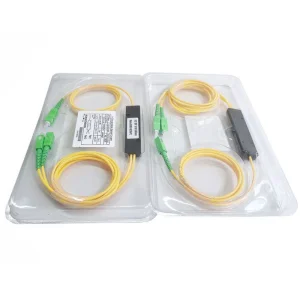
In telecommunication infrastructure, 2U panels function as Central Office distribution modules. Splice trays inside the drawer house active splitters, transitioning trunk cables directly to local drop cables with reliable protection for fiber fusion splices.
For campus networking, corporate headquarters, and high-interference industrial facilities, 2U panels act as robust enclosures. Providing environmental shielding, they accommodate hybrid single-mode and multi-mode installations on a single rack panel.
Deploying networking equipment internationally requires adherence to complex standards. When manufacturing passive and active optical components, compliance guarantees safety, efficiency, and legal integration into local telecom networks.
Our localized engineering support ensures swift issue resolution:
✔ On-site/Online design configuration consulting
✔ Custom CAD engineering drawings within 48 hours
✔ Fully trace-backed OTDR and Interferometer test reports
✔ Fast global logistics and distribution channels
As network speeds climb to 1.6T and beyond, physical layer infrastructure must adapt to meet unprecedented optical transmission challenges.
Automated Infrastructure Management (AIM) systems are integrating directly with 2U panels. By embedding sensor circuits on adapter ports, network administrators can track port connection states in real time, reducing manual troubleshooting times.
Cassette density will continue to rise. Future 2U configurations will leverage space-saving connectors like MDC and SN, expanding the patch panel density up to 288 LC-equivalent ports in a 2U rack space.
As optical transceivers migrate closer to the switch ASIC (Co-packaged Optics), fiber patch panels must adapt to complex, low-loss interconnect architectures that minimize reflection at critical aggregation interfaces.
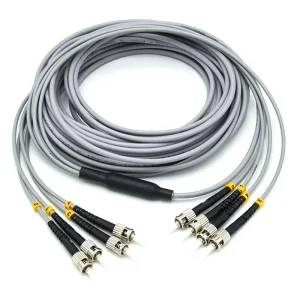
China 4 cores ST-LC Multimode OM1 OM2 Orange Branch Out Fiber Optical Patch Jumper Factories, Quotes
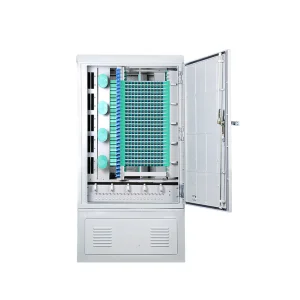
ODM Fiber optic cross connection cabinet Manufacturers, Product
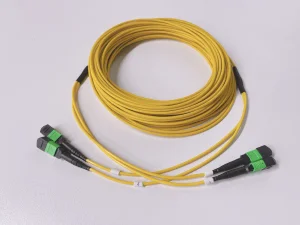
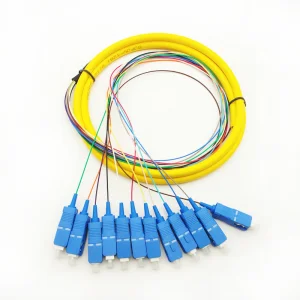
Cheap 12 cores Single Mode G652D SC/UPC Fanout Optic Fiber Pigtail Manufacturers, Factory
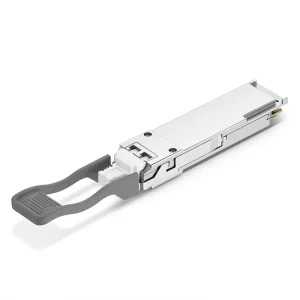
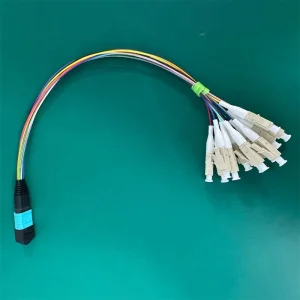
Wholesale OM3 12fibers MTP MPO to LC fanout fiber optic patch cable Factories, Pricelist
 KOCENT OPTEC