Explore our top-tier telecommunications cabling and high-speed active transceiver portfolio designed for demanding cloud networking infrastructures.
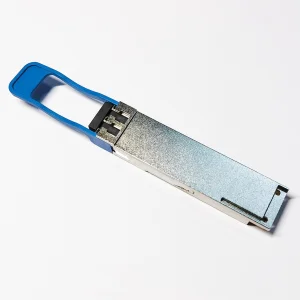
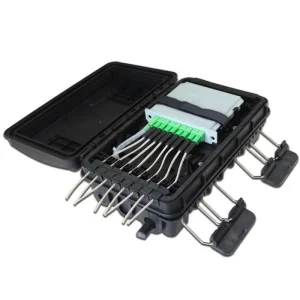
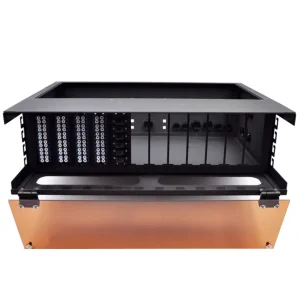
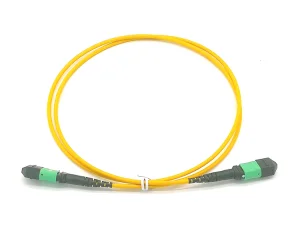
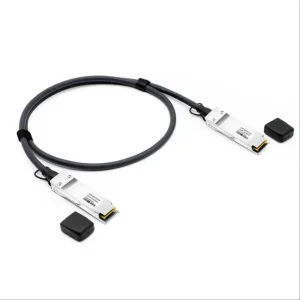
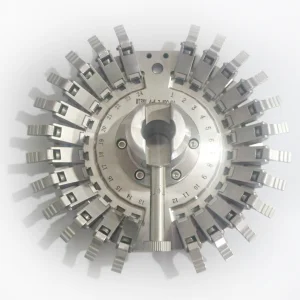
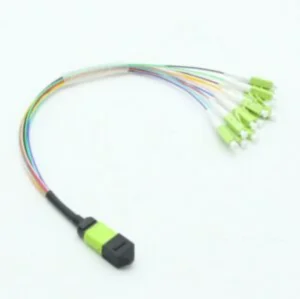
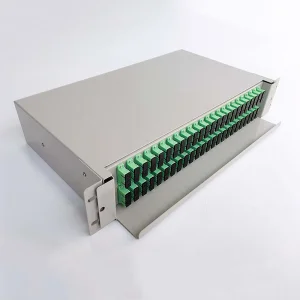
In modern enterprise networks, hyperscale cloud environments, and high-frequency trading networks, routing data efficiently requires a solid physical foundation. Underpinning this infrastructure are two critical components of modern data centers: Direct Attach Copper (DAC) Cables and Active Optical Cables (AOC). These systems represent the lifeblood of high-density ToR (Top of Rack) architectures, bridging the performance gaps between high-power calculations and data storage.
While standard copper patch cords rely entirely on electrical transmission with significant attenuation curves at higher frequencies, and traditional optical transceivers rely on complex field fiber terminations, integrated cable assemblies present a unified alternative. Understanding the mechanical differences and operational envelopes between AOC and DAC configurations is critical for global purchasing departments and system architects.
DAC assemblies utilize twinaxial copper cabling directly connected to transceiver shells (such as SFP+, QSFP28, QSFP56, or OSFP formats). Because the transmission remains purely electrical throughout the physical assembly, there are no internal electrical-to-optical conversions. This yields two main benefits: near-zero latency and zero power consumption at the cable module level.
However, physics imposes strict limits on copper. As data rates climb from 10G to 400G and 800G, high-frequency signal attenuation increases dramatically. A standard passive DAC is typically restricted to lengths of 0.5 to 5 meters to prevent excessive Bit Error Rates (BER). In contrast, Active Copper Cables (ACC) incorporate redriver or equalizer chips inside the transceiver housing to boost the electrical signal, extending copper's range up to 7 or 10 meters at 100G rates.
AOCs replace the copper core with multimode or single-mode optical fibers integrated directly into the transceiver shells. Electrical-to-optical (E-O) conversion happens inside the transceivers using vertical-cavity surface-emitting lasers (VCSELs) operating at wavelengths like 850nm. Optical signals travel over OM3 or OM4 fibers before transforming back to electrical signals at the receiving node.
This optical design makes AOCs immune to electromagnetic interference (EMI) and allows them to achieve transmission distances up to 100 meters or more. Furthermore, AOCs are much thinner, lighter, and have a tighter bend radius compared to thick-gauge copper DACs. This drastically improves airflow dynamics within high-density cabinet arrays.
Established in 2012 in Hong Kong as a high-tech communications enterprise, Kocent Optec Limited has grown to become one of China's leading fiber optic termination product manufacturers and solution providers. We are dedicated to developing and manufacturing fiber optic communication products ranging from passive to active categories for telecommunication networks, enterprise networks, and advanced data centers.
Our core mission is to empower global organizations through robust fiber infrastructure. By leveraging our extensive experience and excellent production capacity gained over the years, we magnify the outcomes for our valuable customers. This ultimately expands their core competencies and helps them outperform their competitors.

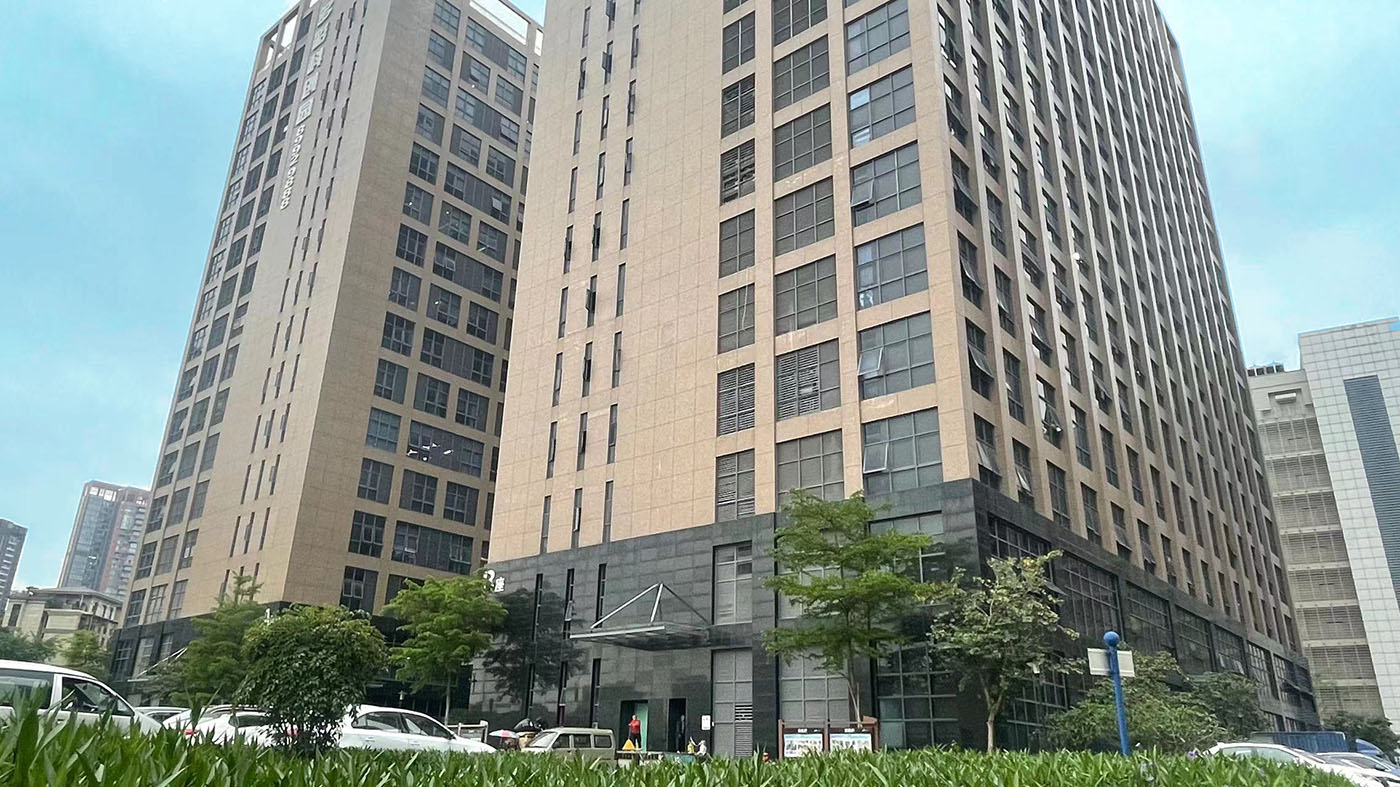
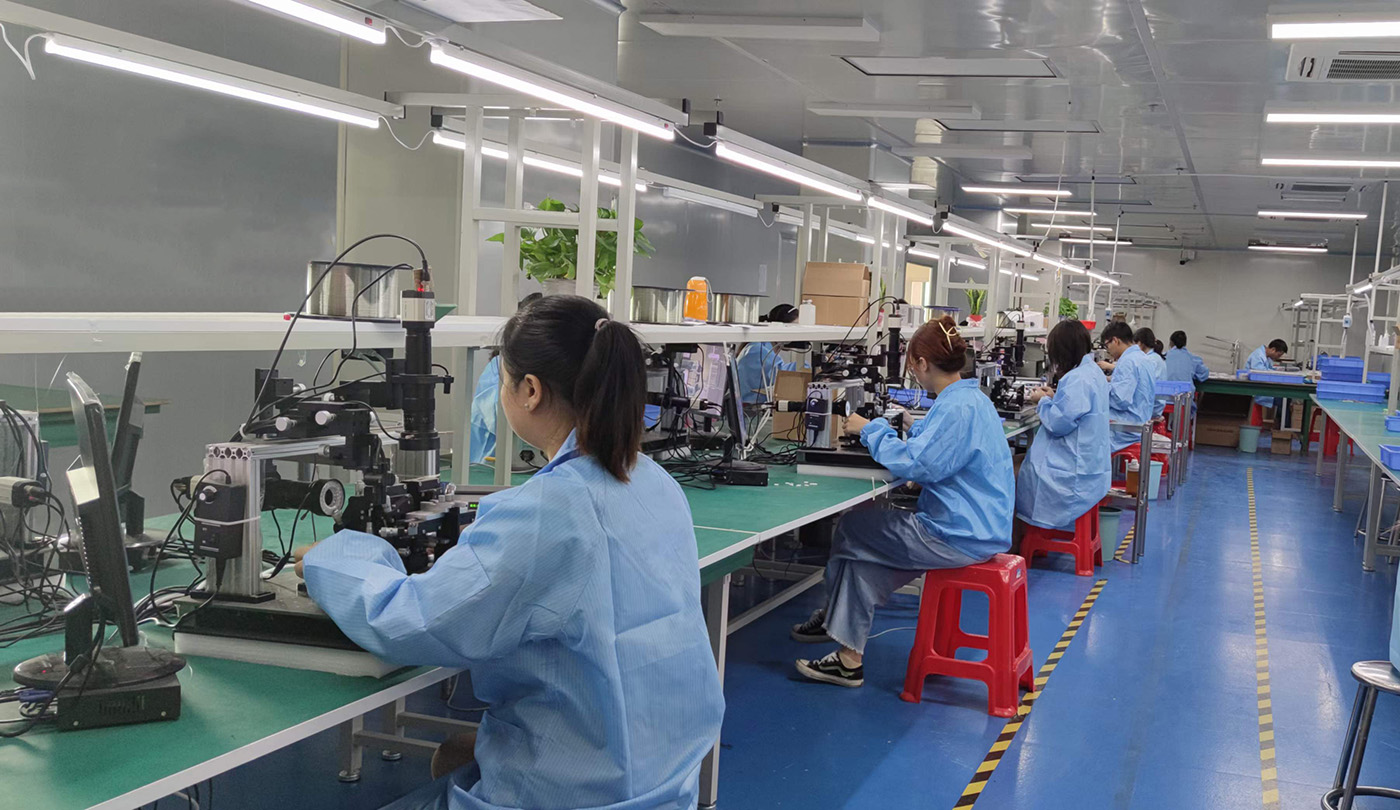
We place emphasis on close customer collaboration, defining ourselves as a trusted partner in high-performance fiber optic connection solutions. We believe our technical differentiators are your perceived advantages. With more than 13 years of experience in manufacturing telecommunication fiber optic products, we strictly follow fiber optic industry standards by using mature scientific methods to deliver your products on time. We ensure that 100% of our products are tested and inspected before shipment.
Whether you are sourcing custom length DACs compatible with Cisco networks (such as our OEM Cisco QSFP-H40G-CU1M compatible 40G QSFP+ Passive DAC) or high-density patch panels, our manufacturing facility utilizes high-precision polishing, interferometer checks, and rigorous environmental stress tests to guarantee zero down-time.
Sourcing high-performance active optical cables and direct attach copper assemblies requires a balance of quality control, cost efficiency, and volume flexibility. Our modern manufacturing base in China delivers on these requirements.
By managing everything from basic raw fiber polishing and casing manufacturing to PCB surface mounting and programming, we optimize the entire supply chain. This vertical model minimizes lead times and insulates against component shortages.
Every product undergoes extensive testing on Keysight and Anritsu instruments, checking for insertion loss, return loss, eye diagram performance, and BER limits. We also perform cross-compatibility tests across major OEM platform switches.
We configure custom lengths, colors, custom EEPROM coding, and specialized pull-tab mechanics to match the unique requirements of your data center architecture and cabinet layouts.
Years of sales and service experience have enabled us to win customers from many different regions. Today, our footprint extends across East Asia, Southeast Asia, the Middle East, Eastern Europe, Western Europe, Northern Europe, South America, North America, North Africa, and South Africa.
Win-win cooperation is our constant goal. Many of our OEM and ODM products have won Telecom Operator tenders and satisfy strict end-user requests worldwide.
Operating a global data network requires strict adherence to international and local regulations. At Kocent Optec, we ensure full compliance with regional environmental and safety standards, helping network architects deploy infrastructure legally and safely.
Our products conform to major quality frameworks: RoHS (Restriction of Hazardous Substances), CE mark for European markets, and REACH regulations. In addition, our cables are manufactured to meet UL 94V-0 flammability ratings and Telcordia specifications for telecommunications networks.
Our transceivers and cables are loaded with EEPROM code configured for multi-vendor switches. This ensures seamless plug-and-play operation with hardware from Cisco, Arista, Juniper, Dell, HP, and Huawei, bypassing proprietary system blocks.
Our active cables support Digital Diagnostic Monitoring (DDM/DOM), allowing network administrators to monitor real-time metrics like operating temperature, optical power output, and voltage directly from the switch console.
Within high-density server racks, SFP28/QSFP28 DAC assemblies connect servers directly to leaf switches. DACs provide the lowest possible latency for high-frequency trading and compute clusters, while keeping cost and power budgets low.
When connecting switches across separate rows or racks, the 5-meter limit of copper is often insufficient. Here, active optical cables (AOCs) operating at 100G, 200G, or 400G bridge the distance up to 100 meters, allowing clean cable routing through underfloor trays or overhead ladders.
Modern AI training clusters require massive bandwidth and minimal packet loss. Using high-bandwidth 400G and 800G AOCs enables stable connections between GPU servers and high-speed NVMe storage systems.
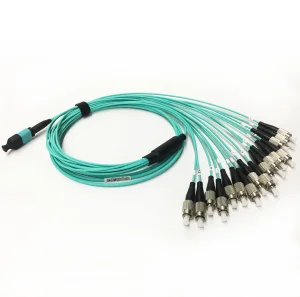
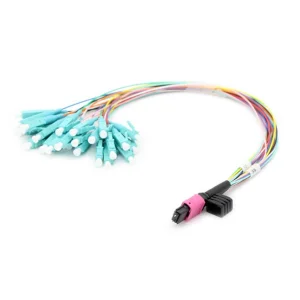
In enterprise Storage Area Networks (SANs) and telecom central offices, we supply custom fiber patch cables and high-density MTP/MPO systems to ensure reliable data flow across long-distance distribution rings.
The rise of Large Language Models (LLMs), deep learning clusters, and automated cloud computing has driven high-speed transceiver and interconnect demands to unprecedented heights. As the industry moves toward 800G and 1.6T configurations, several key technical trends are reshaping physical layers:
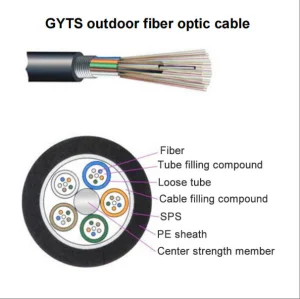
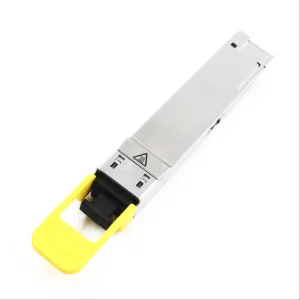
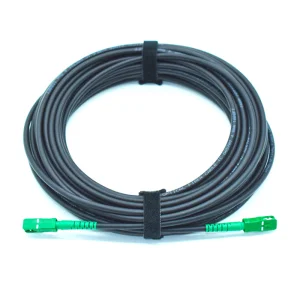
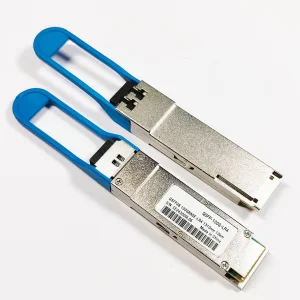
Browse our range of high-performance transceivers, fan-out cabling, and outdoor fiber solutions built for resilient optical networks.
 KOCENT OPTEC