High-bandwidth active optical interconnect assemblies optimized for Pacific Northwest HPC environments and network operations centers.
Decoding the convergence of hyperscale storage, optical routing fabrics, and local infrastructure footprints in the Pacific Northwest.
As home to global cloud pioneers, Seattle constitutes a crucial concentration of server infrastructure. The area—ranging from urban carrier hotels like the Westin Building Exchange to enterprise data centers in Tukwila, Kent, and downstream across Eastern Washington—houses some of the world's highest network port densities. The demand for Active Optical Cables (AOCs) is driven by the physical layout of modern server architecture, which requires light, low-latency, and flexible optical patch assemblies.
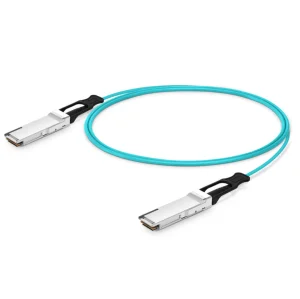
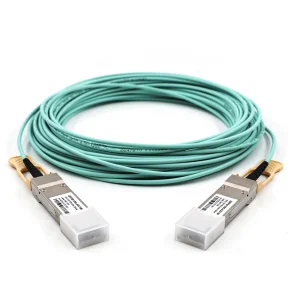
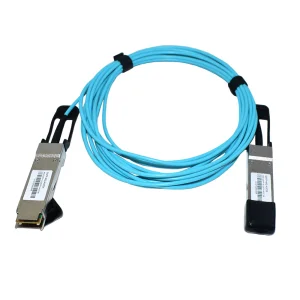
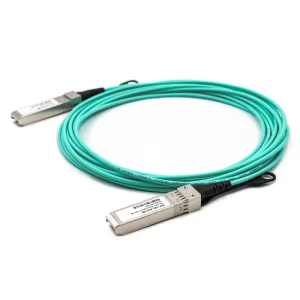
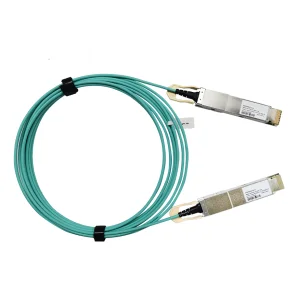
Traditional Direct Attach Copper (DAC) cables encounter physics-based constraints beyond 3 meters when operating at 100G, 200G, and 400G transmission rates. Signal degradation and electromagnetic interference (EMI) limit high-frequency copper channels. AOCs resolve these issues by using active optical transceivers embedded directly inside the connectors at each end. This provides thin, flexible multimode fiber connections that operate up to 100 meters without signal loss.
Driven by machine learning models and large language model (LLM) clusters, global traffic inside the data center is growing exponentially. System architects utilize VCSEL-driven (Vertical-Cavity Surface-Emitting Laser) active optical cabling to bridge the gap between leaf-and-spine switches. This configuration maximizes structural airflow and lowers power consumption compared to discrete optical transceivers combined with fiber patch cables.
A deep dive into packaging technologies, electrical-to-optical conversion circuits, and physical link characteristics.
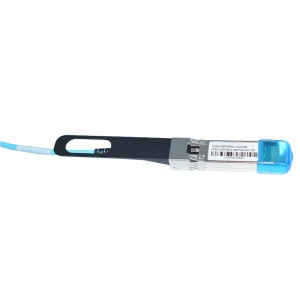
An Active Optical Cable consists of four main elements: the electrical connector, the optical engine (comprising VCSEL lasers and photodetector arrays), the control ICs (transimpedance amplifiers [TIA] and limiting amplifiers), and the optical fiber cable itself. In typical 100G, 200G, and 400G applications, the electrical signal transitions from the host port board directly to the transmitter optical sub-assemblies (TOSA).
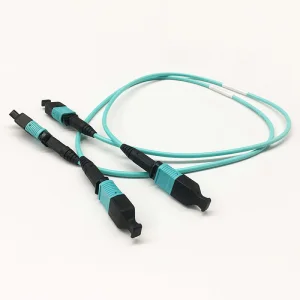
By integrating these components into a single pre-terminated factory module, AOCs eliminate the insertion loss and potential contamination issues associated with traditional MPO/MTP patch cord configurations. This structure provides a clean connection, lower overall power requirements, and a lower bit-error rate (BER) compared to multi-component optical links.
Utilized standard non-return-to-zero (NRZ) modulation schemes. Primarily deployed for high-end server clusters to overcome the weight and stiffness of copper cabling.
Transitions to Pulse Amplitude Modulation 4-level (PAM4) encoding. Integrated Digital Signal Processors (DSPs) are deployed directly within the AOC shells to compensate for link loss, providing stable 400G channels across OM3 and OM4 fibers.
Current developments incorporate silicon photonics engines directly inside the cable housing, reducing power consumption to less than 1.5W per end while supporting ultra-low latency configurations for AI training grids.
Kocent Optec Limited, established in 2012 in Hong Kong as a high-tech communications enterprise, is one of China's leading fiber optic termination product manufacturers and solution providers.
We are dedicated to developing and manufacturing fiber optic communication products ranging from passive to active categories for telecommunication networks, enterprise networks, and data centers.
By leveraging our extensive experience and production capacity built over the years, we enhance outcomes for our customers, helping them expand their core competencies and stay competitive. We emphasize close customer collaboration, defining ourselves as a strategic partner in fiber optic connection solutions.
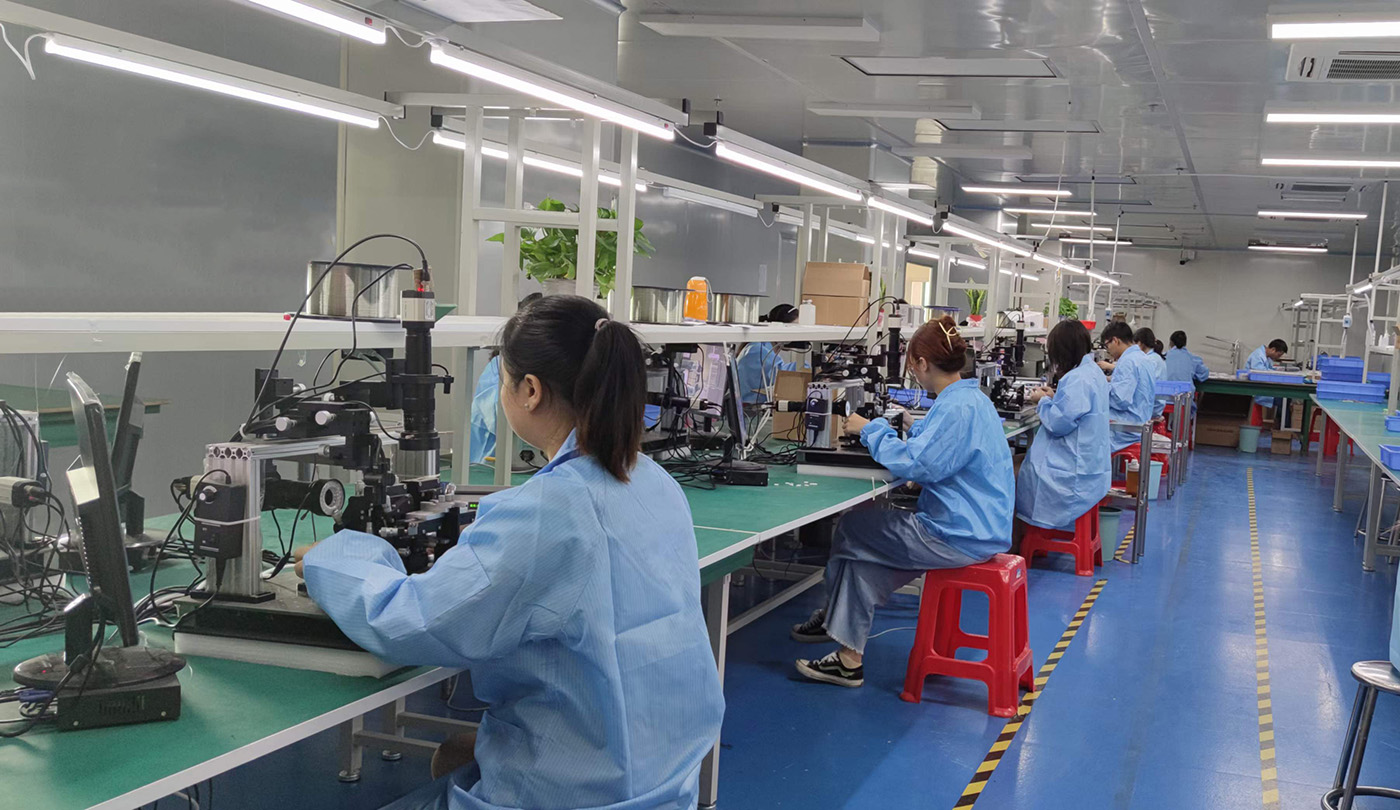
With more than 13 years of experience in manufacturing telecommunication fiber optic products, we strictly follow industry standards using established scientific methods. This ensures timely delivery, with 100% of our products tested and inspected prior to shipment.

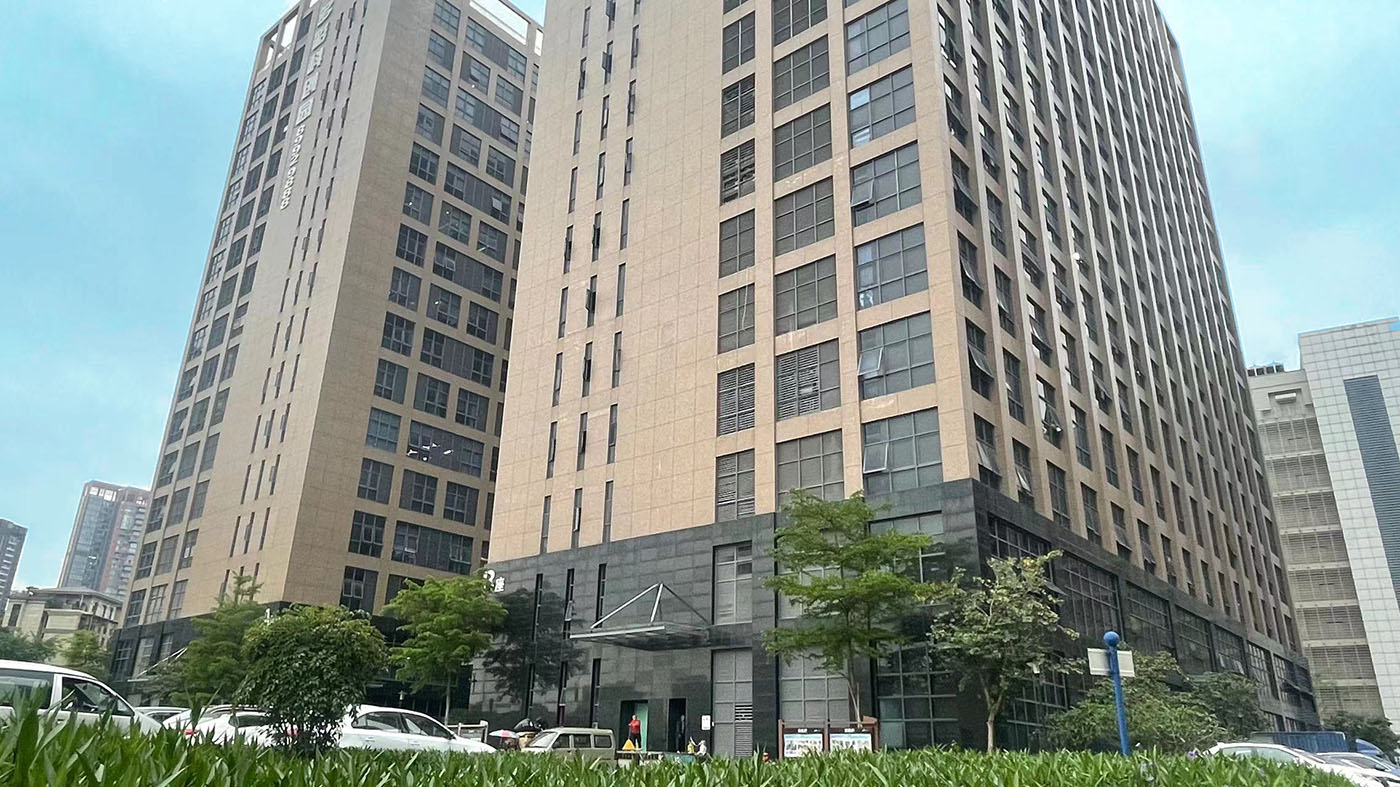
Years of sales and service experience have enabled us to build partnerships with customers in multiple regions, including East Asia, Southeast Asia, the Middle East, Eastern and Western Europe, Northern Europe, South America, North America, and parts of Africa.
Our OEM and ODM products have been deployed in telecom operator tenders and meet end-user specifications for robust, high-density networks.
Supported Terminal Telecom Networks Include:
Engineered options tailored for the evolving networking needs of Pacific Northwest enterprises.
High-performance computing grids utilize GPU-dense rack structures that require minimal latency between nodes. Our 400G and 200G AOC assemblies bypass the physical limitations of copper, supporting clean signal routing and optimal airflow for dense compute environments.
For metro telecom rings and edge access points, Kocent Optec provides pre-terminated AOC configurations that simplify deployments, minimize structural weight, and lower overall installation and maintenance costs.
Ideal for bridging Top-of-Rack (ToR) switch layers down to core distribution switches. Offers a reliable alternative to individual optical transceivers, reducing physical component counts and point-of-failure risks.
Key technical answers for procurement officers and system engineers in the Seattle region.
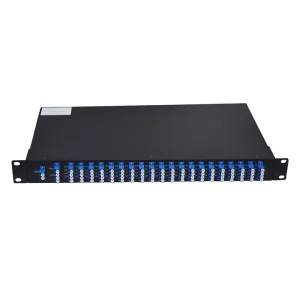
Explore our range of active breakout cables, high-density distribution patch assemblies, and passive DWDM multiplexers.
 KOCENT OPTEC