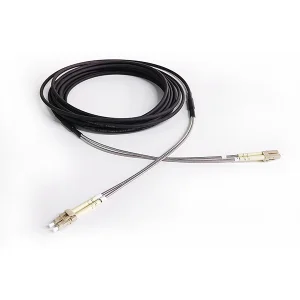
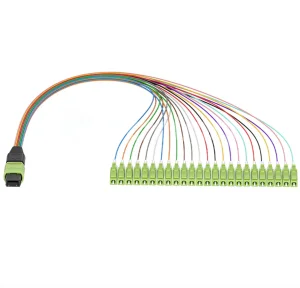
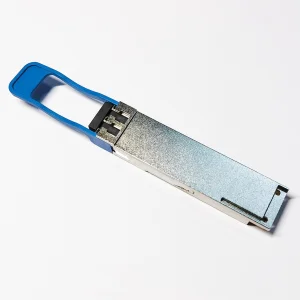
Deploy robust optical configurations to ensure low-latency performance in high-density industrial and FTTA deployments in Berlin. Tested to comply with regional European Standards.
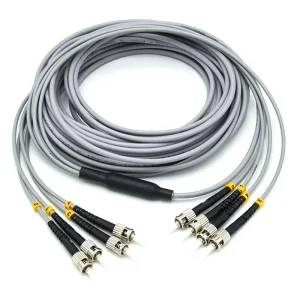
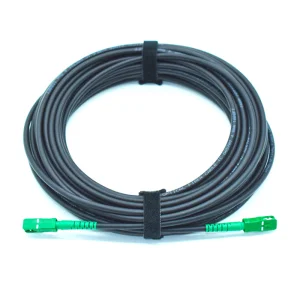
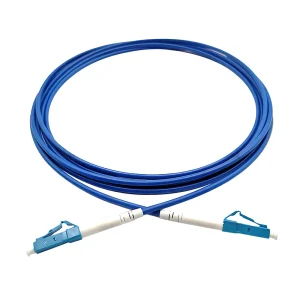
Berlin is positioning itself as a central technological hub within the European Union, driving forward massive projects in 5G deployment, Open RAN (ORAN) architectures, and Smart City automation. As telecom giants upgrade infrastructure across the Berlin-Brandenburg region, the demand for ruggedized, high-capacity physical layers has surged. High-speed, low-latency transmission between Baseband Units (BBU) and Remote Radio Heads (RRH) requires specialized CPRI (Common Public Radio Interface) and eCPRI patch cords.
Kocent Optec Limited meets these requirements by supplying European-grade optical distribution systems. Our CPRI cables are engineered to withstand continuous thermal fluctuation, sub-zero winters, and UV radiation, ensuring uninterrupted data flow for operators like Vodafone Germany and Deutsche Telekom.
At the core of fiber-to-the-antenna (FTTA) architectures, the physical link must maintain structural integrity while handling high data rates. Standard telecom patch cords often fail to meet the mechanical stresses of outdoor cell site tower runs. The primary specifications required for modern high-reliability deployment include:
These parameters help network designers maximize the transmission rate of transceivers, reducing bit error rates (BER) and minimizing jitter in eCPRI protocol configurations.
Modern telecommunication procurement teams seek suppliers capable of balancing pricing with customization. Whether sourcing pre-terminated multi-fiber trunks or specific branch-out configurations, buyers require direct access to factory production planning to avoid delays on the job site.
OEM and ODM suppliers play a critical role by customizing drop length, jacket options (such as low-smoke zero-halogen/LSZH and polyurethane/TPU), armor style, and connector orientations. Factory termination guarantees performance that cannot be matched by field splicing, leading to faster deployment times and lower lifetime maintenance costs for network installers in Germany.
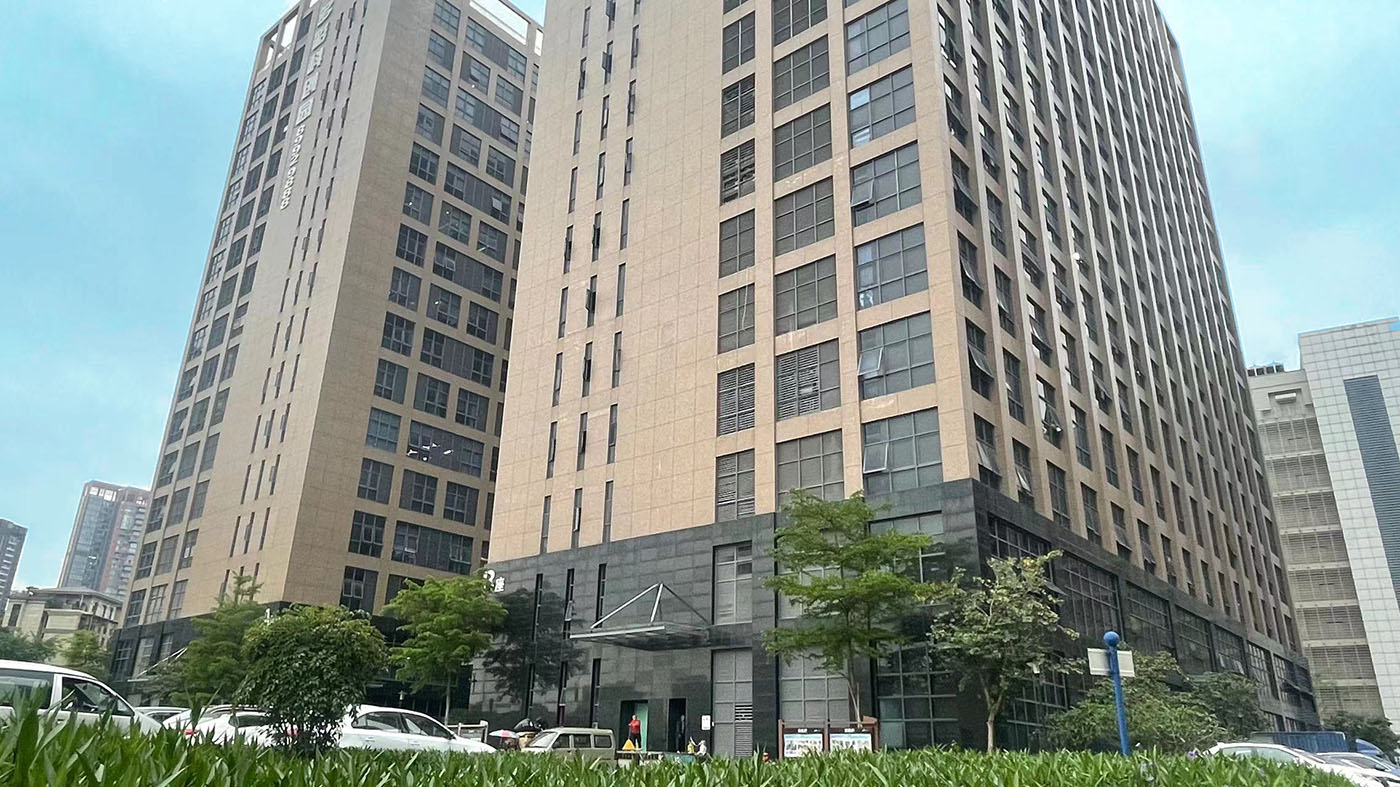
Established in 2012 in Hong Kong as a hi-tech communication enterprise, Kocent Optec Limited has grown to become one of China's leading fiber optic termination product manufacturers and solution providers.
We develop and manufacture fiber optic communication products spanning passive and active categories. Our solutions support telecommunication networks, enterprise infrastructure, and high-density data centers worldwide.
By leveraging our production capacity and engineering experience, we help our clients improve network performance and control operational costs. We focus on customer collaboration, serving as a reliable partner for fiber optic connection solutions.

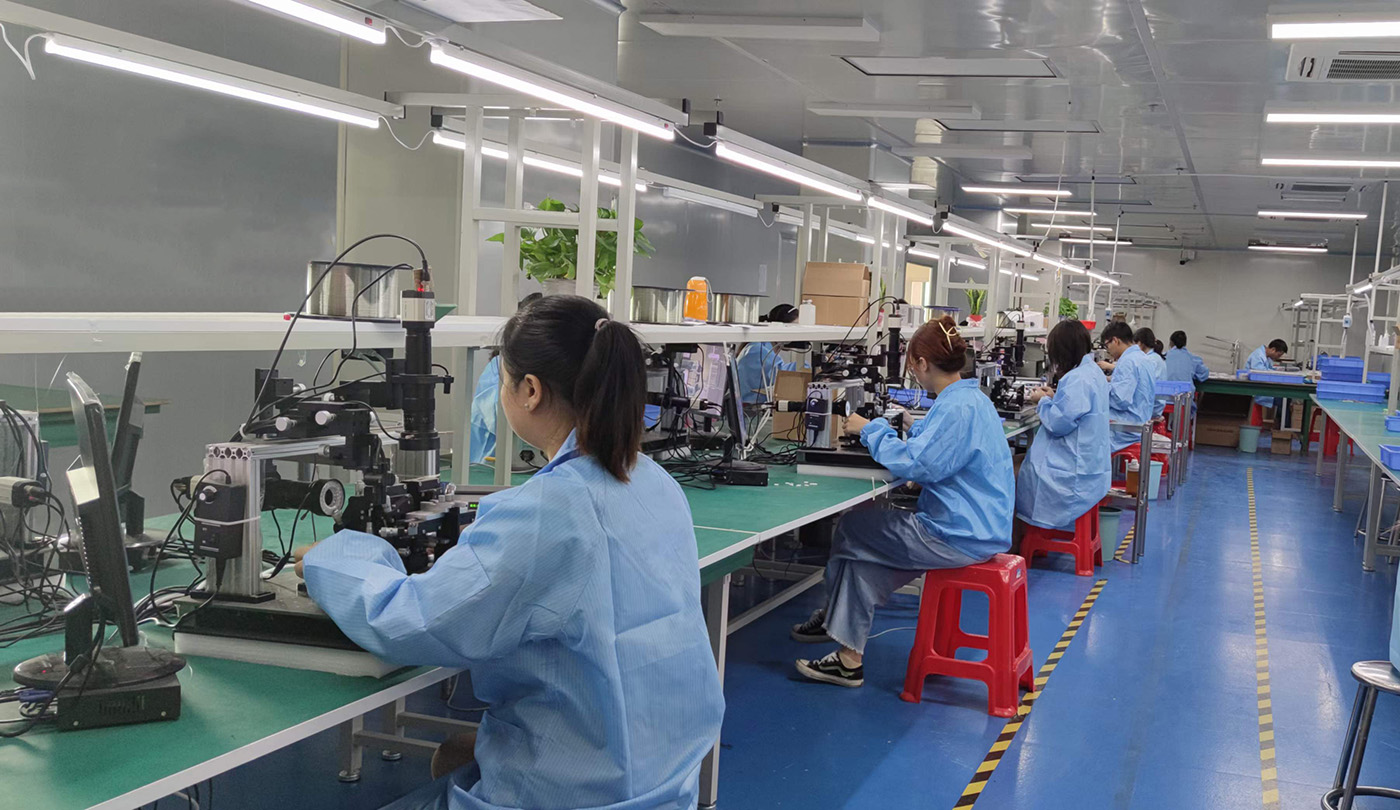
With over 13 years of manufacturing experience, we follow optical industry standards by using scientific verification methods. Every assembly is 100% tested and inspected before shipment, ensuring high-quality performance upon field installation.
Our sales and service teams support a diverse global customer base. Kocent Optec products are deployed across East Asia, Southeast Asia, the Middle East, Eastern Europe, Western Europe, Northern Europe, South America, North America, North Africa, and South Africa.
Our OEM and ODM products regularly win tenders with tier-1 telecom operators and satisfy end-user requirements. We collaborate closely with partners to establish mutual business growth.
Our products support systems deployed with major global telecom operators, including: SingTel, Vodafone, America Movil, Telefonica, Bharti Airtel, Orange, Telenor, VimpelCom, TeliaSonera, Saudi Telecom, MTN, Viettel, Bitel, VNPT, Laos Telecom, MYTEL, Telkom, Telekom, Entel, FiberTel, StarFiber, Ooredoo, Beeline, and Azercell.
As mobile networks transition from 5G to 5G Advanced and 6G, protocol speeds require physical layers capable of supporting 25Gbps and 50Gbps eCPRI channels. This evolution demands tight control over chromatic dispersion and fiber latency.
Germany and the wider European market mandate strict compliance with safety regulations. Optical cables used in municipal areas must satisfy the EU's Construction Products Regulation (CPR) for fire safety, in addition to RoHS and REACH environmental guidelines.
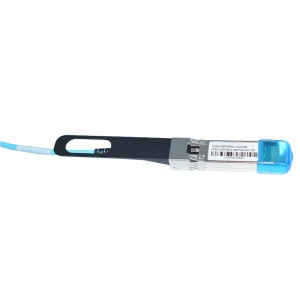
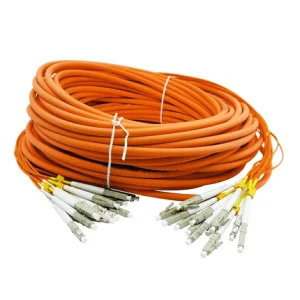
Select from our full line of active optical cables, high-density fiber harnesses, transceivers, and terminations optimized for high-performance networks.
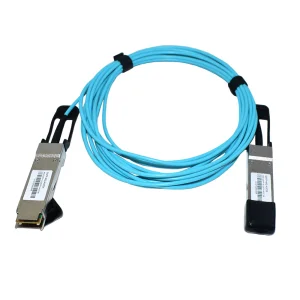
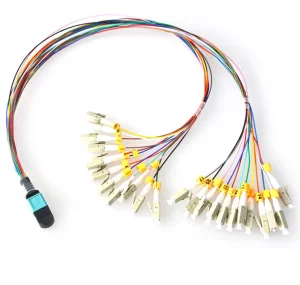
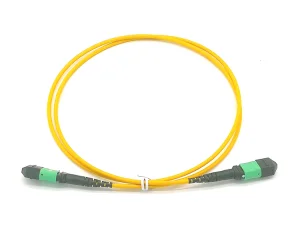
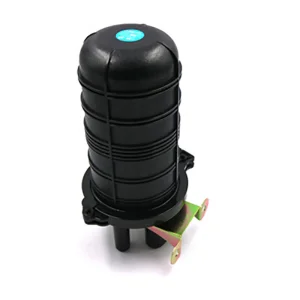
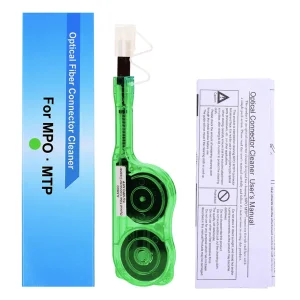
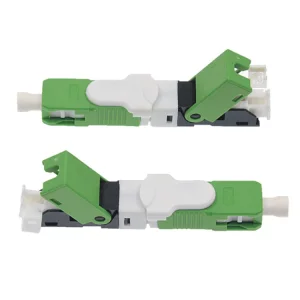
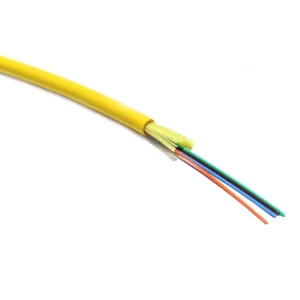
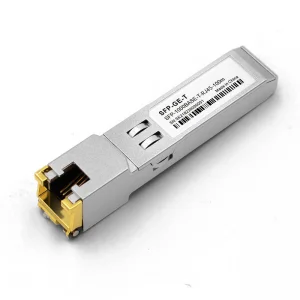
Explore detailed insights on technical performance, environmental endurance, and configuration choices for fiber installations.
Traditional CPRI (Common Public Radio Interface) transmits digitized RF data as a continuous stream, requiring high, constant bandwidth. The newer eCPRI protocol encapsulates data into Ethernet packets, supporting packet prioritization and reducing bandwidth needs by up to ten times. eCPRI is optimized for 5G ORAN networks, demanding high return loss and minimal insertion loss to prevent packet re-transmissions.
Berlin experiences high seasonal temperature variance, bringing rain, freezing conditions, and industrial dust. Standard indoor connectors fail due to moisture ingress, which causes micro-cracks and signal loss. An IP67/IP68 rated outer connection housing protects the optical interface from moisture and dirt, extending link lifespan on rooftop and masthead installations.
The Construction Products Regulation (CPR) classifies optical cables based on fire reaction characteristics. In Europe, public structures and central offices require LSZH (Low Smoke Zero Halogen) materials. These materials help prevent toxic smoke release during a fire, improving safety for personnel and protecting neighboring infrastructure.
We utilize 3D interferometers to verify connector geometry, measuring physical parameters like fiber height, apex offset, and radius of curvature. We also conduct thermal cycling tests and monitor insertion and return losses to ensure high reliability before shipment.
Yes. We manufacture to client specifications, providing customized cable lengths, jacket materials (such as TPU for tactical deployments or LSZH for indoor environments), and specific connector breakouts (including LC, SC, or MTP configurations).
Our engineering team can assist you with technical specifications, volume pricing, and custom cable designs. Contact us today to receive a prompt quotation.
Send Inquiry Now KOCENT OPTEC