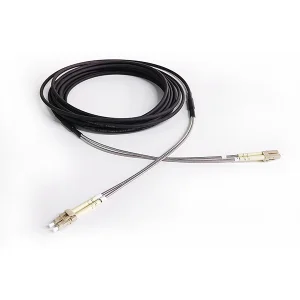
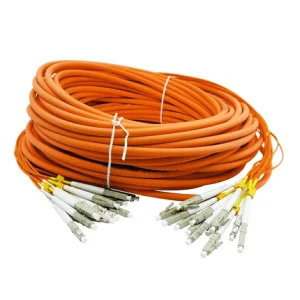
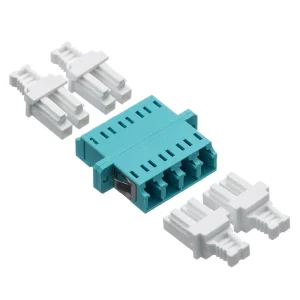
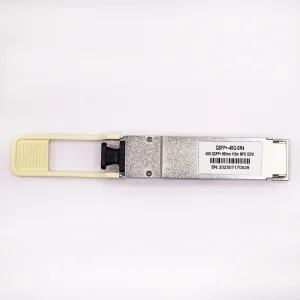
High-reliability optical fibers engineered for low-latency CPRI links, robust remote radio units (RRU) setups, and demanding datacenter cross-connects across the Grand Duchy.
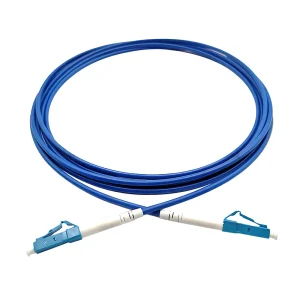
Analyzing the shift toward ultra-low latency optical solutions in Europe’s premier financial and technological hub.
Luxembourg has firmly positioned itself as a hyper-connected, high-performance ICT hub within the heart of Europe. Boasting some of the lowest latency optical paths to major European financial markets like Frankfurt, London, and Paris, the country relies heavily on robust data center connections and state-of-the-art telecom networks. The transition to 5G Standalone (SA) architectures and the densification of municipal optical networks require rugged, reliable, and high-performance **Common Public Radio Interface (CPRI)** and **eCPRI** patch cords.
Within this ecosystem, the installation of remote radio units (RRU) on telecommunications towers requires outdoor fiber networks to survive extreme weather conditions while maintaining exceptionally low insertion loss. System integrators, local operators (such as POST Luxembourg, Proximus, and Orange), and private enterprise operators demand certified materials that comply with strict EU safety guidelines and local construction criteria.
Luxembourg's digital exchanges demand optical cables tested to guarantee minimum transit times and low structural dispersion.
Deploying fiber to the antenna requires durable, IP-rated connection systems capable of operating in Central European temperature ranges.
Choosing the right fiber optic assemblies for FTTA, macro station connections, and high-speed data exchanges.
CPRI patch cords serve as the physical link bridging the Baseband Unit (BBU) and the Remote Radio Unit (RRU). Because these assemblies run up tall structures and remain exposed to physical stress, moisture, and ultraviolet radiation, engineering standards cannot be compromised. The chart below provides a side-by-side comparison of standard patch cables versus reinforced CPRI tactical assemblies utilized in the Luxembourg market:
| Specification Parameter | Standard Optical Patch Cord | Ruggedized CPRI Tactical Jumper | Luxembourg / EU Standard Compliance |
|---|---|---|---|
| Outer Jacket Material | PVC / LSZH (Light duty) | Tactical Polyurethane (TPU) / LSZH (Heavy duty) | EN 50575 CPR Dca/B2ca (Flame Retardant) |
| Waterproofing Level | Unrated (Indoor use only) | IP67 / IP68 dust and water resistance | IEC 60529 Water Ingress Standards |
| Tensile Strength (Long term) | 80 N - 120 N | 400 N - 800 N | IEC 60794-1-2 Mechanical Tests |
| Insertion Loss (Typical) | ≤ 0.30 dB | ≤ 0.20 dB (Premium Low-Loss Grade) | IEC 61300-3-4 Optical Quality Tests |
| Operating Temp Range | -20°C to +70°C | -40°C to +85°C | ISO 9001 Weatherproofing Certifications |
For modern projects, system architects should lean toward OM3/OM4 Multimode structures for short-distance intra-facility runs, and Singlemode G.657.A2 fiber profiles for outdoor high-density FTTA lines. Singlemode fibers allow significantly smaller bending radii without causing massive attenuation penalties, which is highly beneficial for tight cabinet routings and field installation boxes.
Delivering high-end telecommunication passive and active connectivity components since 2012.
Established in 2012 in Hong Kong as a high-tech communication enterprise, Kocent Optec Limited has emerged as one of China’s leading fiber optic termination product manufacturers and solution providers. We are dedicated to developing and manufacturing premier fiber optic communication components, spanning both passive and active categories, for telecommunication networks, enterprise networks, and mission-critical data centers worldwide.
By leveraging our extensive engineering experience and excellent production capacity gained over more than 13 years, we magnify the outcome for our valuable customers. We place heavy emphasis on customer collaboration, defining ourselves as a partner rather than just a vendor. We believe our differentiators in quality control, custom structural design, and logistical efficiency are your perceived advantages in outperforming regional market competitors.


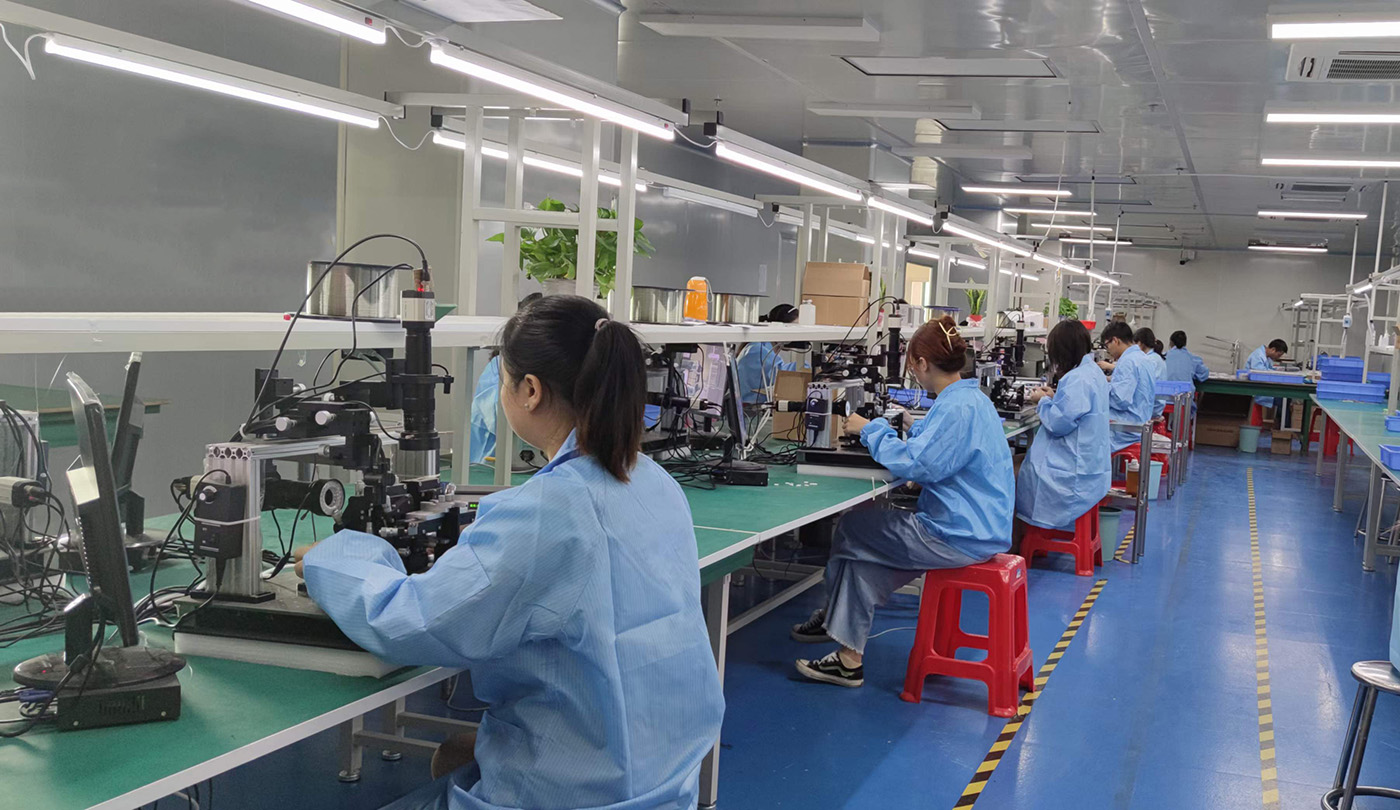
With more than 13 years of experience in manufacturing telecommunication fiber optic components, we strictly follow global fiber optic industry standards (IEC, Telcordia GR-326-CORE) by using mature scientific methods. We ensure that 100% of our products undergo thorough inspection, 3D interferometer verification, and optical testing before shipment to guarantee stable network performance from day one.
Our OEM and ODM solutions have regularly won competitive Telecom Operator tenders worldwide and continue to exceed end-user requests. We work directly with major global operators and network developers to supply projects on time, on budget, and to exact specifications.
Years of dedicated sales and customer service experience have enabled us to win clients across a wide range of markets. Today, Kocent Optec proudly serves clients in East Asia, Southeast Asia, the Middle East, Eastern Europe, Western Europe, Northern Europe, South America, North America, North Africa, and South Africa.
Our key target telecommunication operators and partners include industry leaders such as: SingTel, Vodafone, America Movil, Telefonica, Bharti Airtel, Orange, Telenor, VimpelCom, TeliaSonera, Saudi Telecom, MTN, Viettel, Bitel, VNPT, Laos Telecom, MYTEL, Telkom, Telekom, Entel, FiberTel, StarFiber, Ooredoo, Beeline, and Azercell.
Aligning procurement strategies with upcoming 5G-Advanced and 6G transmission benchmarks.
As transmission demands shift from CPRI (which primarily supports 2.5 Gbps to 10 Gbps speeds) to the packet-based eCPRI protocol (demanding 25 Gbps, 50 Gbps, or even 100 Gbps speeds), physical cabling infrastructures must handle significantly increased density and cleaner signals. In the Luxembourg context, where financial transactions demand latency profiles measured in microseconds, the reliability of optical interfaces becomes a bottleneck.
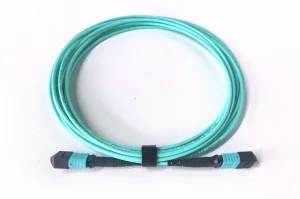
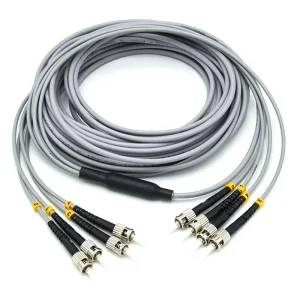
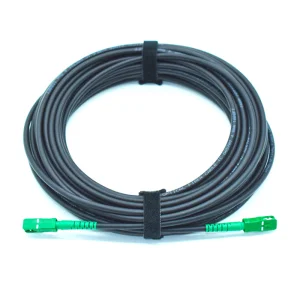
Future-proofing network deployments requires installing cabling systems built to handle these generational updates. Fiber patch cords featuring LC-Duplex connectors with ruggedized outer boots, armored tactical drop cables, and low-loss transceivers ensure that network operators can upgrade equipment on both ends of the line without laying new fiber cables down the tower or across the facility corridor.
Providing actionable technical insights and sourcing recommendations for operators, architects, and procurement managers.
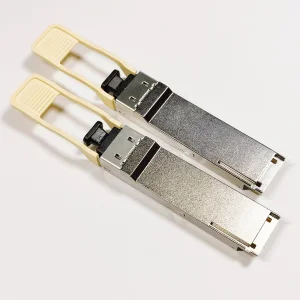
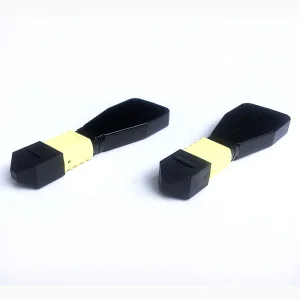
From high-density breakout pigtails to state-of-the-art 200G transceivers and rackmount patch panels.
 KOCENT OPTEC