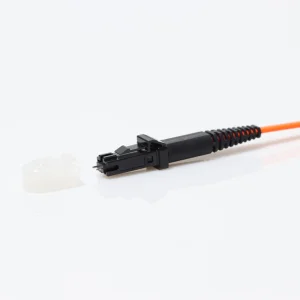
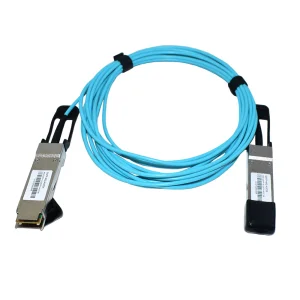
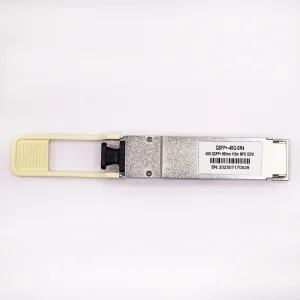
Explore our high-performance optical patch interfaces, active transceivers, and structural splice panels engineered for low insertion loss and high mechanical durability.
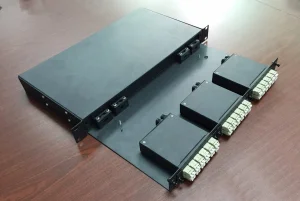
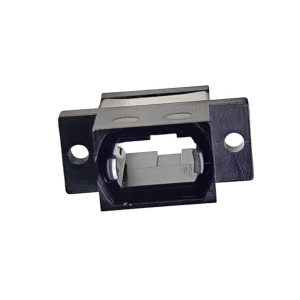
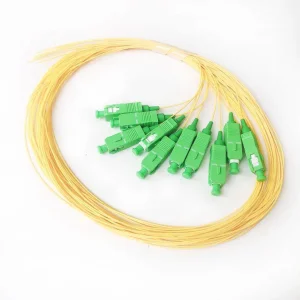
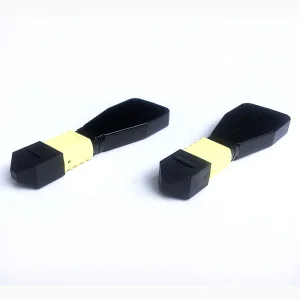
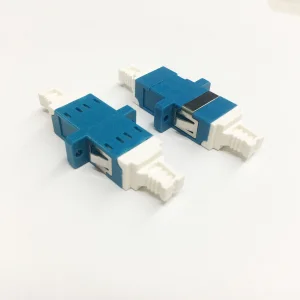
As modern networks scale to accommodate cloud computing, localized edge data nodes, and FTTH distribution, the 12-port fiber patch panel stands out as the modular backbone of highly flexible routing architectures. Navigating the cost-quality matrix is paramount for telecommunication operators, structural network integrators, and industrial enterprises.
In high-performance optical distributions, procurement teams face a recurring challenge: sourcing cost-competitive solutions without compromising on structural stability, mechanical tolerance, and optical compliance. Cheap 12-port fiber patch panels must offer more than just budget alignment—they must deliver optimized insertion loss characteristics, robust strain relief, and modular scalability to reduce long-term maintenance overhead (OpEx).
Edge data nodes require small footprint distribution cabinets. 12-port systems allow flexible modular density increments without excessive upfront capital expenditure.
Engineered from SPCC (Cold Rolled Steel) or aluminum alloys, offering structural defense against physical stress, vibration, and thermal variations in harsh industrial areas.
Compatibility with pre-terminated LC/SC fiber pigtails and MPO cassettes reduces field splice time, minimizing installation costs and potential point-of-failure issues.
A reliable 12-port fiber patch panel must comply with standard rack mounting architectures (usually 19-inch standard racks) and support a variety of patch orientations. Below is the technical comparison matrix detailing typical deployment standards for enterprise networks:
| Parameter / Metric | Singlemode OS2 Configuration | Multimode OM3/OM4 Configuration |
|---|---|---|
| Typical Connector Types | LC/UPC, LC/APC, SC/APC, SC/UPC | LC/UPC, SC/UPC, MPO/MTP |
| Insertion Loss (IL) | ≤ 0.20 dB (Typical); ≤ 0.30 dB (Max) | ≤ 0.15 dB (Typical); ≤ 0.25 dB (Max) |
| Return Loss (RL) | ≥ 50 dB (UPC); ≥ 60 dB (APC) | ≥ 35 dB (UPC) |
| Material Construction | 1.2mm - 1.5mm SPCC Cold Rolled Steel / Matte Electrostatic Powder Coating | |
| Height Dimension | 1U (Standard 19" Rack-mount) or Wall-mount enclosures | |
| Operating Temperature | -40°C to +75°C (Ensuring structural stability in extreme telecommunication hubs) | |
By leveraging standardized 1U dimensions, systems integrators can design mixed-media racks where 12-port simplex SC configurations can quickly scale to 24-port duplex LC setups. Internal cable management accessories—such as routing loops, splice cassettes, and bend radius limiters—must maintain a minimum bend radius of 30mm to prevent microbending attenuation.
Across the globe, fiber optic infrastructure is transitioning from high-density backbone systems directly to localized edge networks. This transition has fueled an unprecedented demand for modular 12-port fiber solutions. Whether it's FTTH network build-outs in South America or industrial automation setups in Northern Europe, standardizing on flexible, low-cost patch systems is key to long-term profitability.
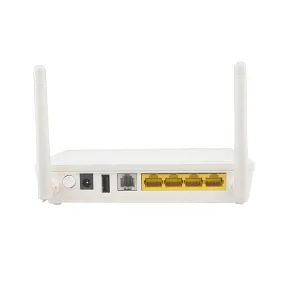
National telecom operators require cost-effective distribution points for residential broadband. High-reliability 12-port wall-mounted enclosures are frequently used in building basements and street cabinets, balancing structural safety and cost. The inclusion of high-quality couplers and pigtails ensures seamless integration with active transceivers like GPON ONUs.
Smart factories and modern processing plants require optical backbones immune to EMI (Electromagnetic Interference). 12-port patch panels designed with heavy-duty metal enclosures and sliding drawers provide physical protection for fiber terminations in dust-heavy, vibrating industrial environments, ensuring reliable uplinks for PLCs and controllers.
The passive fiber infrastructure sector is evolving rapidly to keep pace with 400G and 800G optical standards. As network speeds scale, the margin for signal degradation shrinks. Our technical roadmap focuses on addressing these demands through precise engineering, material optimization, and improved modular designs.
Key areas of development include: optimizing return loss metrics through advanced automated polishing processes, adopting lightweight composite metals to reduce cabinet load weight, and transitioning to high-density MTP/MPO adapters. These upgrades allow a single 12-port panel to transition from standard LC duplex lines to multi-fiber trunks, future-proofing your physical network layer for years to come.
Kocent Optec Limited, established in 2012 in Hong Kong as a hi-tech communication enterprise, is one of China's leading fiber optic termination product manufacturers and solution providers.
We are dedicated to developing and manufacturing fiber optic communication products ranging from passive to active categories for telecommunication networks, enterprise networks, and data centers.
By leveraging our extensive experience and excellent production capacity gained over the years, we magnify the outcome for our valuable customers, which ultimately expands their core competencies and helps them outperform competitors. We place emphasis on customer collaboration, and we define ourselves as your valuable partner in fiber optic connection solutions. We believe our differentiators are your perceived advantages.


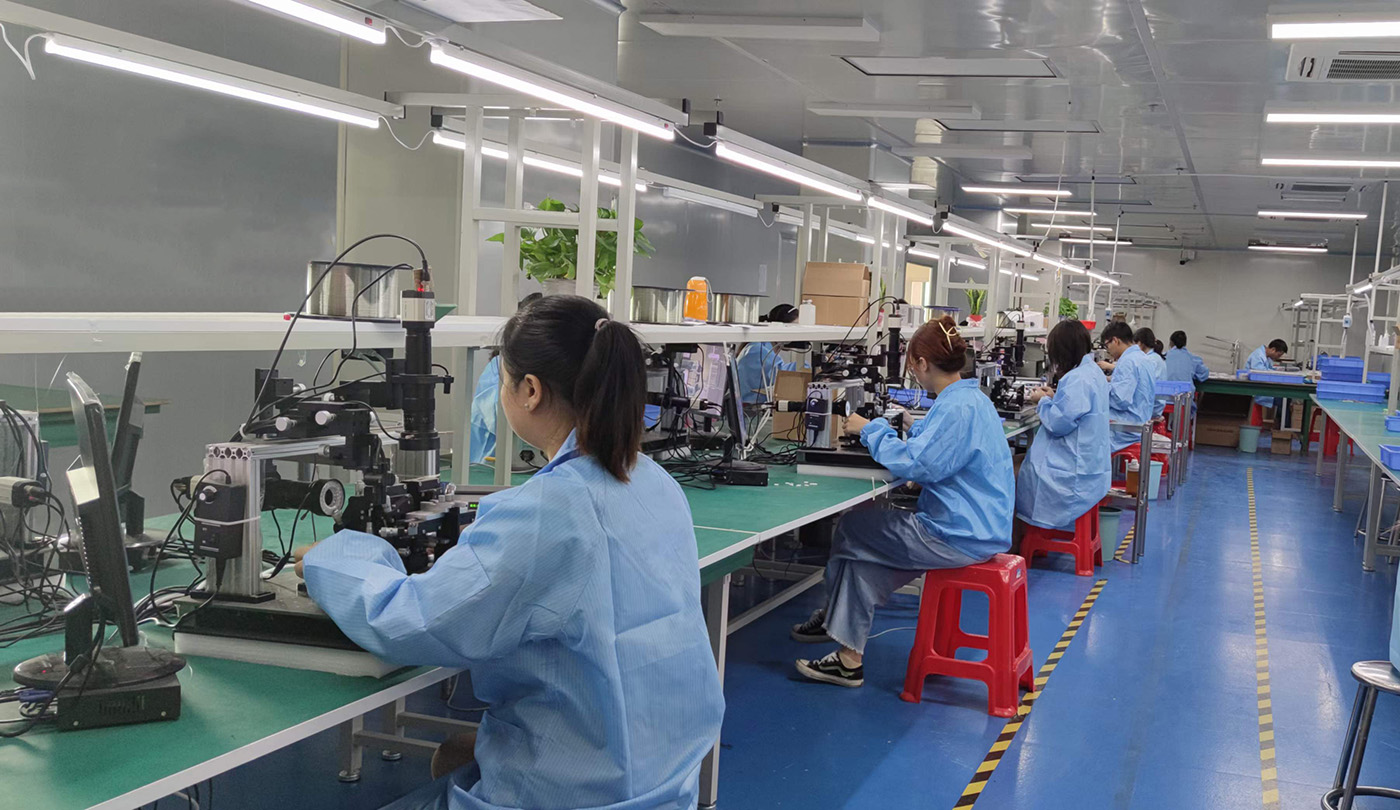
With more than 13 years of experience in manufacturing telecommunication fiber optic products, we follow strictly fiber optic industry standards by using mature scientific methods to deliver your products on time and ensure that 100% of products are tested and inspected before shipment.
Years of sales and service experience have enabled us to win customers from different regions. Today, we have customers from East Asia, Southeast Asia, Middle East, Eastern Europe, Western Europe, Northern Europe, South America, North America, North Africa, and South Africa.
Win-win cooperation is our constant goal. Many of our OEM and ODM products won the Telecom Operator tenders and satisfy end-user requests worldwide.
Our main terminal telecom operators include leading international players:
Clear answers to technical inquiries commonly encountered by optical procurement managers and network design engineers.
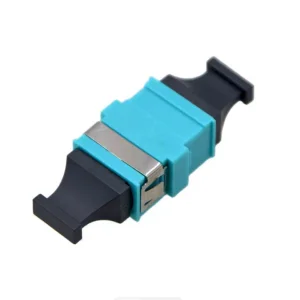
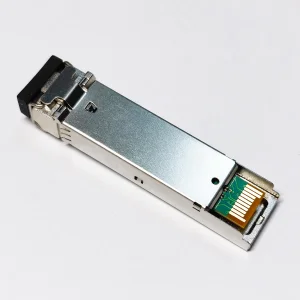
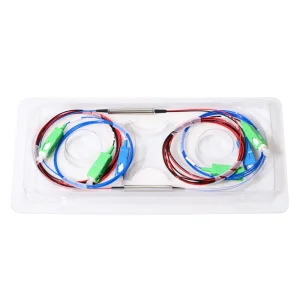
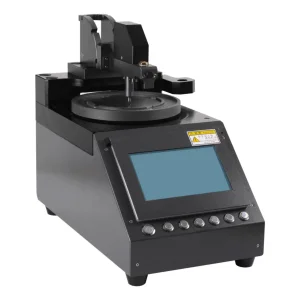
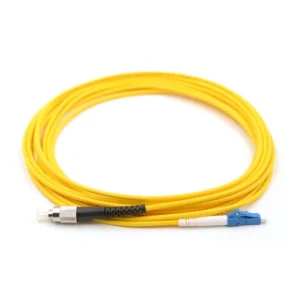
Complete your optical distributions with high-precision polishing machines, transceivers, adapters, and splitters.
 KOCENT OPTEC