Explore our high-performance passive and active networking products designed for next-generation telecommunication grids and dense datacenter frames.
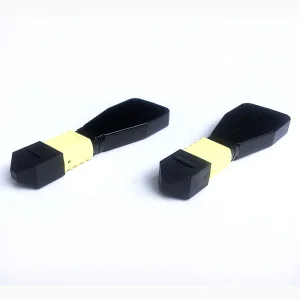
![Cheap [SENKO] Optical Fiber MPO-PLUS Premium Mini Connector Single-mode Housing Set](https://site.cdnfile.io/59c8deaa9fdec6072c4782dc4754000c300_300.webp)
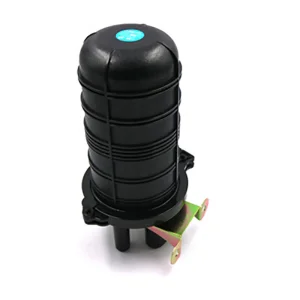
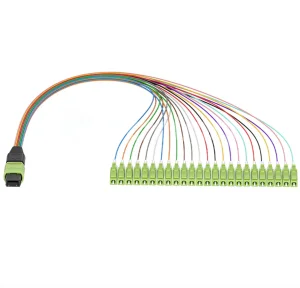
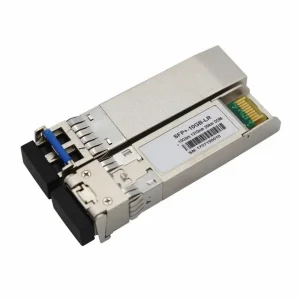
In modern telecommunication networks and high-density datacenters, the demand for bandwidth is growing exponentially. High-density MPO/MTP-to-LC fan out fiber optic cables serve as the critical transition pathway, bridging high-fiber trunk configurations directly to individual device ports. This architecture converts consolidated high-fiber trunks (carrying 12, 24, 48, or up to 144 fibers) into simplex or duplex connections (typically LC or SC formats) for distribution into active server interfaces, patch panels, and optical transceivers.
As hyperscalers expand cloud capacity and transition infrastructure from 100G to 400G and 800G, the optimization of patch-panel space and system performance becomes critical. Structural density must be maintained without sacrificing mechanical integrity. Manufacturers are shifting production methodologies towards automated optical polishing, computerized interferometer inspection, and highly controlled connectorization lines to ensure minimum insertion loss (IL) and maximum return loss (RL).

Established in 2012 in Hong Kong as a hi-tech communication enterprise, Kocent Optec Limited has emerged as one of China's premier fiber optic termination product manufacturers and structural cabling solution providers. We specialize in the R&D and manufacturing of high-performance passive and active components, providing customized fiber solutions for enterprise networks, telco operators, and complex datacenter environments.
By leveraging extensive production capacity, advanced quality control, and strict verification protocols built over 13 years, we ensure our global partners remain highly competitive. We operate not merely as a production factory, but as a trusted co-developer in custom optical connectivity, delivering solutions that reduce deployment costs while maintaining long-term physical layer reliability.
A deep breakdown of the mechanical features and quality checks implemented by Kocent Optec in our custom cable manufacturing plants.
Utilizing premium components including SENKO MPO-PLUS connectors, premium ceramic ferrules, and Corning bend-insensitive fibers (OM3/OM4/OM5/G.657.A1/A2) to ensure structural longevity and minimal transmission distortion under tight bend radius conditions.
Each batch undergoes 3D interferometer testing analyzing core geometry metrics: Radius of Curvature, Fiber Height, and Apex Offset. This strict methodology avoids premature connector degradation under thermal load.
Equipped with highly resilient distribution manifolds that partition fibers without tensioning the internal glass core. Tail lengths are customizable and protected using 0.9mm, 2.0mm, or 3.0mm LSZH or Plenum jacket options.
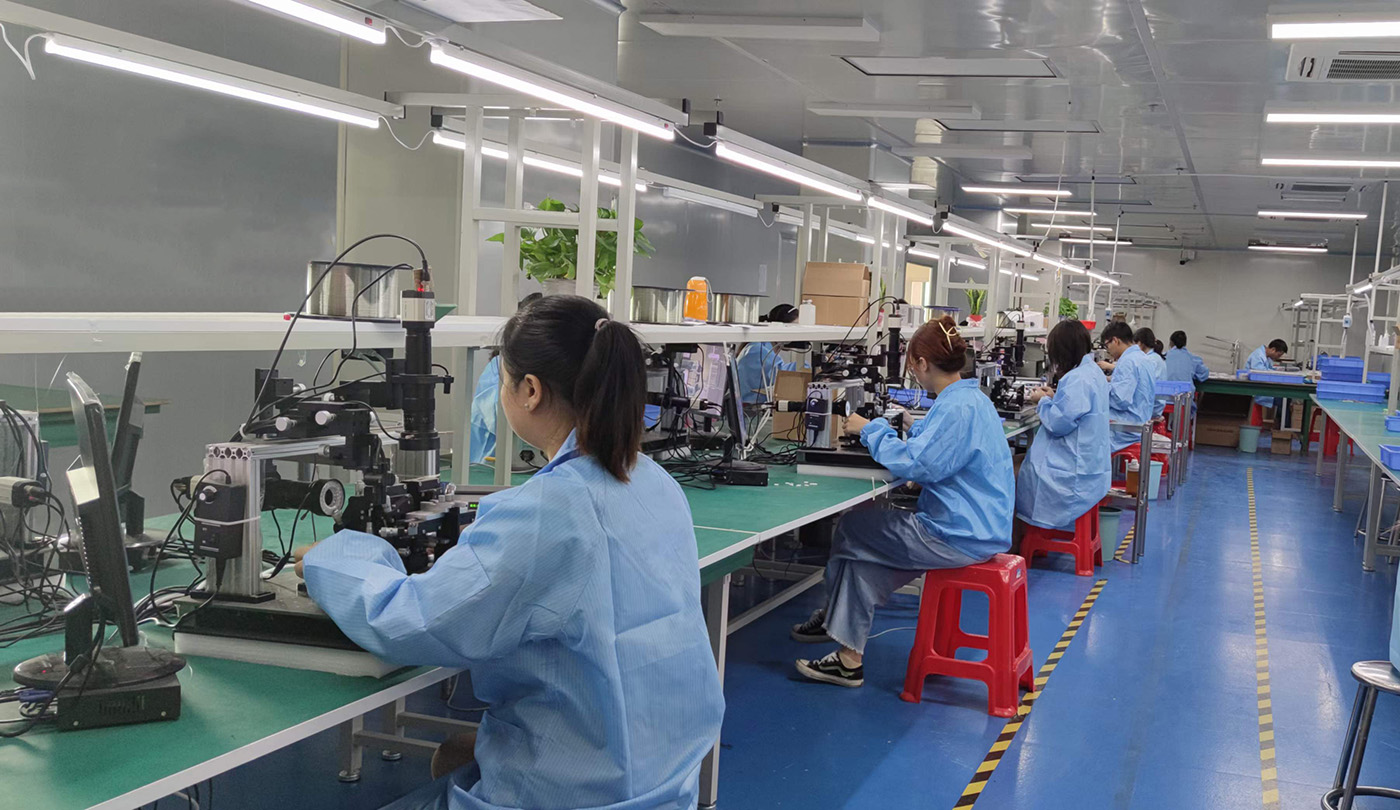
Our production protocols ensure that all custom OEM and ODM fiber assemblies meet stringent performance criteria required in national optical infrastructure tenders. Our cables and patch assemblies are designed to withstand challenging ambient environments, providing optimal attenuation and physical resilience.
Kocent Optec products are regularly specified in enterprise tenders and end-user deployments by global network operators, including:
The technological shifts altering structural cabling systems and physical plant architecture in hyperscale datacenters.
Transitioning legacy structures using standard 12-fiber MPO trunks and breakout harnesses to LC termination nodes. Focus on polarization alignment (Type A, B, and C methodologies) to optimize signal routing across switches.
Deployment of OM5 multimode fiber configurations to support Shortwave Wavelength Division Multiplexing (SWDM) and multi-gigabit transceivers. Integration of Base-8 formats ensures zero unused fibers in parallel optics arrays.
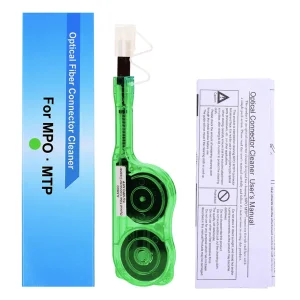
Integration of mini connector systems like SN and MDC. Direct connection from silicon-level CPO (Co-Packaged Optics) platforms to external switch faceplates, requiring high-precision breakout cables and cleaning pens.
Technical answers to key implementation questions faced by design engineers and datacenter architects.
According to standard ANSI/TIA-568.3-D, standard-loss MPO/MTP connectors are rated at ≤0.75dB, while low-loss alternatives are specified at ≤0.35dB. At Kocent Optec, our optimized polishing processes consistently yield typical insertion loss values below 0.25dB for single-mode applications, ensuring sufficient headroom for complex link budgets.
Polarity maintains the continuity of the transmit-to-receive link. Type-A is a straight-through mapping (Pin 1 to Pin 1); Type-B uses a flipped-key configuration for direct parallel optical routing; Type-C uses pair-wise flips for duplex transmitter-receiver channels. Our engineering division reviews polarity requirements prior to cable jacket extrusion to avoid cross-link conflicts during installation.
OM3 and OM4 use laser-optimized 50/125μm fiber, typically tuned for 850nm VCSEL transmission. OM5 (Wideband Multimode Fiber) extends this capability, supporting multiple wavelengths from 850nm to 953nm. This allows multi-wavelength transceivers like the 100G SWDM4 or 400G SR4.2 to operate over fewer fiber runs, reducing cable density and routing congestion.
Our cost structure is optimized through vertically integrated manufacturing lines, direct component sourcing from key vendors (e.g., SENKO, US Conec), automated assembly lines, and high production volumes in Shenzhen and HK. This eliminates distribution markups, allowing us to offer competitive factory-direct pricing without compromising on materials, testing protocols, or certifications.
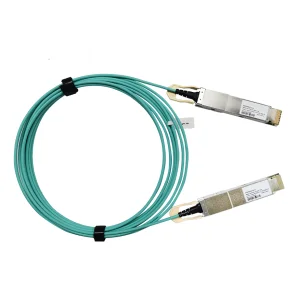
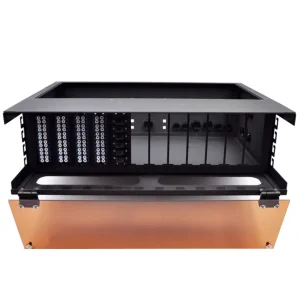
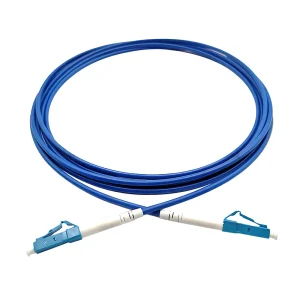
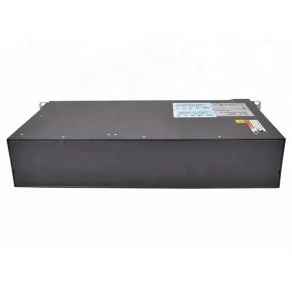
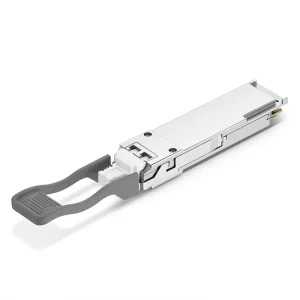
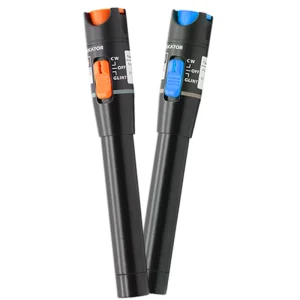
A complete suite of physical layer interfaces, optical transceivers, and cable cleaning tools to ensure link integrity.
 KOCENT OPTEC