Explore high-performance optical transceiver modules, distribution hardware, and termination components designed to work alongside ADSS network rollouts.
In modern telecommunication planning, the choice of outdoor transmission media has shifted dramatically toward All-Dielectric Self-Supporting (ADSS) cables. Designed to run on overhead lines alongside high-voltage electrical distribution infrastructure, ADSS cables utilize non-metallic structural compositions. By eliminating metallic elements, these cables mitigate electromagnetic interference and hazards associated with lightning strikes and high-voltage induced currents. Today, utilities and telecom companies globally leverage ADSS cables as a cost-effective, high-reliability alternative to underground ducting and metallic messenger wires.
The industrial landscape for aerial cabling is highly dependent on mechanical dynamics and material longevity. As telecom operators expand 5G backhaul networks and rural broadband, they require high fiber counts (ranging from 12 to 288 fibers) that can span long distances without drooping, breaking, or stressing the glass fibers inside. B2B procurement professionals must calculate environmental realities such as wind pressure, heavy ice accumulation, and extreme temperature variations, aligning cable designs with standard code specifications like IEEE 1222 and IEC 60794.
Runs safely on power transmission lines up to 220kV or higher. Anti-tracking (AT) jackets eliminate electrical tracking erosion caused by high potential fields.
Utilizes high-modulus aramid yarns (Kevlar) woven helically around the loose tube structure to resist extreme wind and ice loads.
No grounding is required, drastically reducing installation labor, component costs, and the risk of lightning strikes on critical nodes.
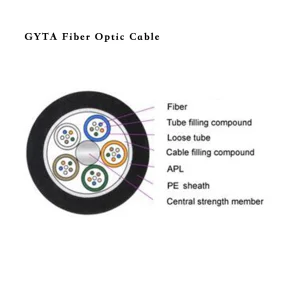
An optimized ADSS cable selection must account for several structural dimensions. The core configuration is typically "dry-core" or "gel-filled" within loose tubes containing Single Mode fibers (ITU-T G.652.D or G.657.A1/A2). These fiber types guarantee low attenuation rates (typically ≤0.35 dB/km at 1310nm and ≤0.21 dB/km at 1550nm), ensuring long-haul signals travel without excessive degradation.
The structural strength is provided by a central strength member (CSM) made of fiberglass-reinforced plastic (FRP) and layers of aramid yarn. Based on the mechanical load requirements, manufacturers design ADSS cables with a single jacket (suited for short spans up to 100-150 meters) or double jackets (engineered with an inner and outer sheath for span requirements from 200m to 1000m). When selecting a double-jacket configuration, the thickness of the inner PE layer acts as a mechanical shock absorber, while the outer sheath protects the cable core from UV radiation, environmental pollutants, and chemical moisture ingress.
China has established unmatched manufacturing efficiencies in optical fiber preforms, glass drawing, and precision cabling. Industrial plants in China leverage vertical integration, producing specialized aramid yarn, FRP rods, and high-molecular-weight polyethylene sheathing compounds within localized eco-zones. This allows companies like Kocent Optec Limited to deliver high-quality products at competitive price points.
Kocent Optec Limited established in 2012 in Hong Kong as a hi-tech communication enterprise, and has grown to become one of China's leading fiber optic termination product manufacturers and solution providers. We are dedicated to developing and manufacturing fiber optic communication products ranging from passive to active categories for telecommunication networks, enterprise networks, and modern data centers.
By leveraging our extensive experience and excellent production capacity gained over the years, we magnify the outcome for our valuable customers. This ultimately expands their core competencies and helps them outperform competitors. We place emphasis on close customer collaboration, defining ourselves as your valuable partner in fiber optic connection solutions. We believe our differentiators are your perceived advantages.

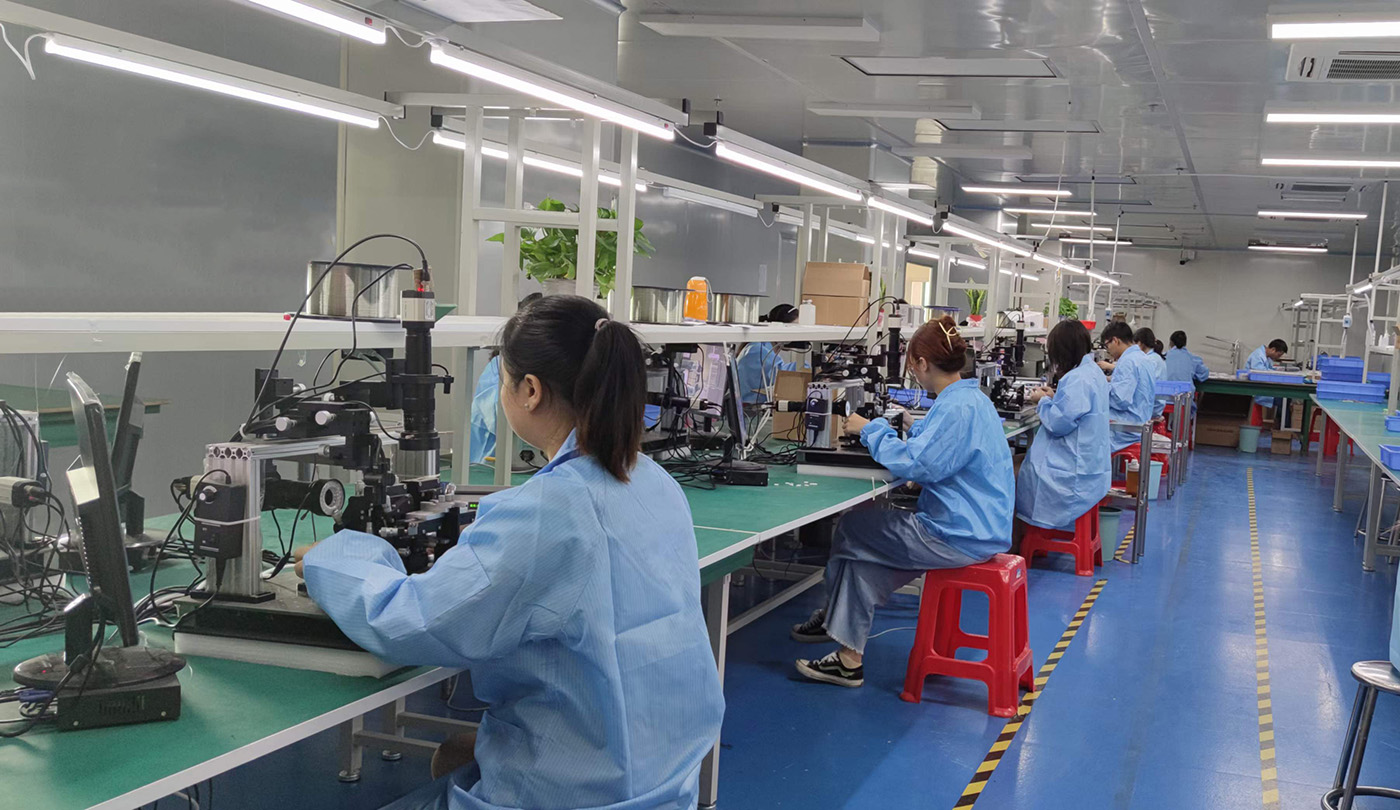
With more than 13 years of experience in manufacturing telecommunication fiber optic products, we strictly follow fiber optic industry standards by using mature scientific methods to deliver your products on time and ensure that 100% of products are tested and inspected before shipment. Our dedication to testing covers mechanical tensile strength, water penetration testing, temperature cycling (-40°C to +70°C), and optical performance (attenuation and dispersion verification).
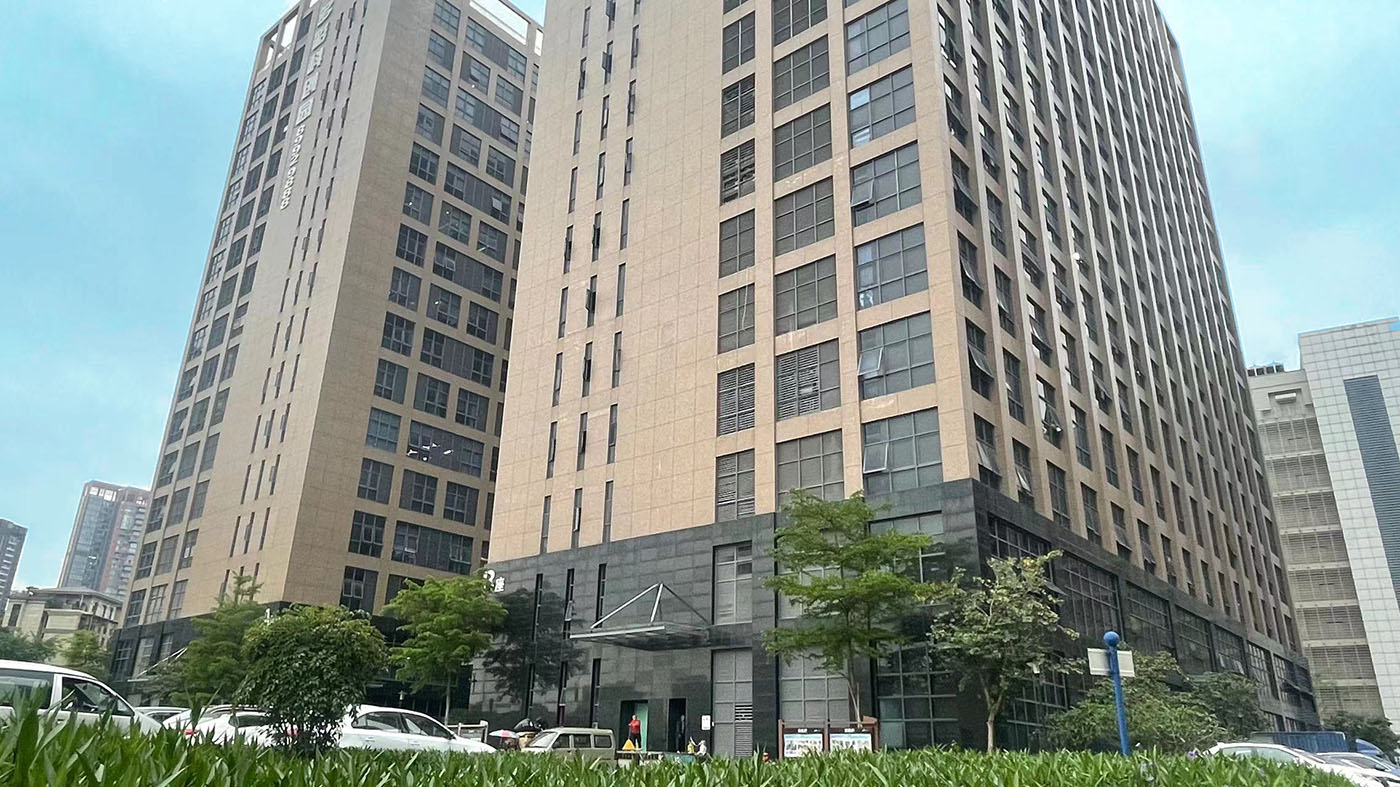
Through our dedicated efforts in high-quality engineering and client services, we have won long-term customers from different regions. Today, our footprint spans East Asia, Southeast Asia, the Middle East, Eastern Europe, Western Europe, Northern Europe, South America, North America, North Africa, and South Africa.
Win-win cooperation is our constant goal. Many of our OEM and ODM products have won Telecom Operator tenders and satisfy strict end-user requirements. Our terminal telecom operator footprint includes major industry giants such as SingTel, Vodafone, America Movil, Telefonica, Bharti Airtel, Orange, Telenor, VimpelCom, TeliaSonera, Saudi Telecom, MTN, Viettel, Bitel, VNPT, Laos Telecom, MYTEL, Telkom, Telekom, Entel, FiberTel, StarFiber, Ooredoo, Beeline, and Azercell.
Every aerial installation environment presents unique geographical challenges that affect ADSS cable performance. Sourcing a generic ADSS cable without local parameter calculations can lead to structural damage or fiber micro-bending, leading to transmission loss. Let's look at specific localized application scenarios:
When requesting quotes for ADSS cables, global buyers must submit detailed parameters to ensure accurate factory estimates and prevent cost overruns. Provide the following specifications in your RFQ:
Single jacket ADSS cables feature one outer jacket (usually PE) and are optimized for short spans (typically under 150m) in light weather conditions. Double jacket ADSS cables contain an inner protective jacket, a layer of aramid yarn, and an outer jacket. These are designed for longer spans (up to 1000m) and harsh weather conditions where wind and ice place heavy loads on the cable structure.
For spatial potentials of 12kV or lower, standard Polyethylene (PE) sheaths are used. When the cable is placed on lines where the potential exceeds 12kV (usually found near 110kV or 220kV power lines), the electrical field can cause surface discharge (dry-band arcing). In these cases, an Anti-Tracking (AT) sheath is required to prevent material erosion and early cable failure.
Yes. Because ADSS cables contain no metallic parts, they are completely non-conductive. This allows installation teams to deploy them on high-voltage power towers without shutting down the grid, saving power utilities from costly distribution downtime during deployment.
To get an accurate quote, you must specify the fiber count, fiber standard (G.652.D or G.657), the targeted span length (e.g., 100m, 200m), local weather metrics (wind speed, ice loading), spatial potential (voltage of adjacent lines), and the total length needed in meters or kilometers.
We use high-grade UV-stabilized materials and track-resistant outers. The gel-filled loose tubes and dry-core water-blocking yarns prevent moisture ingress. These protect the optical glass fibers from long-term stress and micro-bending attenuation, ensuring a design life of over 25 years.
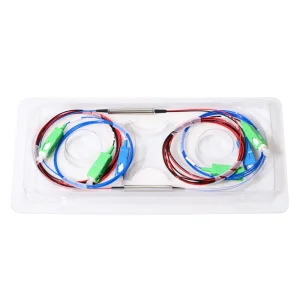
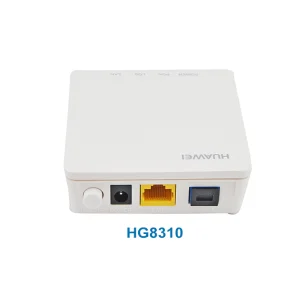
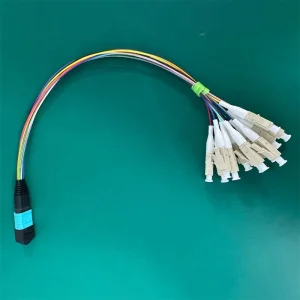
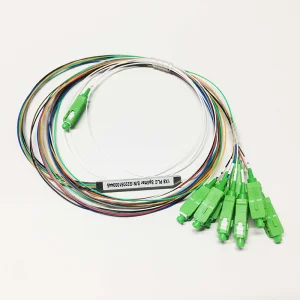
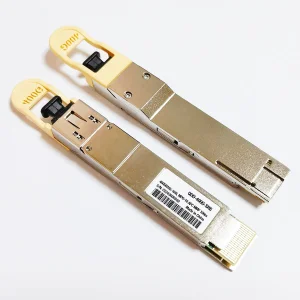
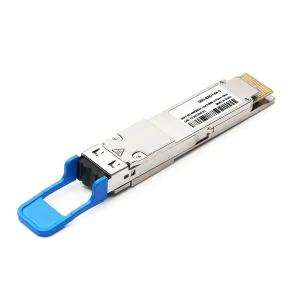
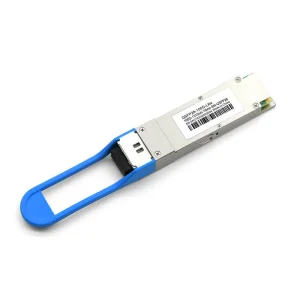
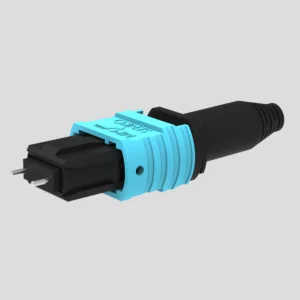
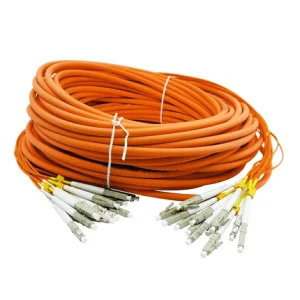
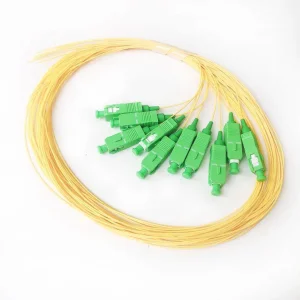
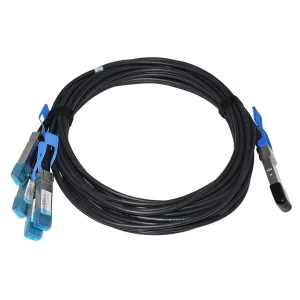
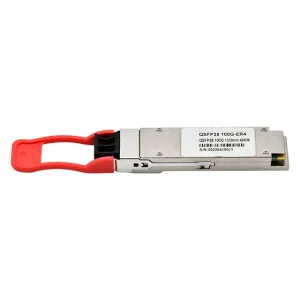
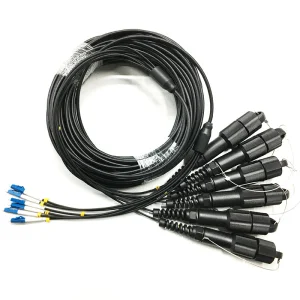
Complete your deployment with our range of active transceivers, custom fiber pigtails, and outdoor patch cords engineered to integrate with high-performance networks.
 KOCENT OPTEC