The global telecommunications landscape is undergoing a critical infrastructure shift. With the expansion of 5G networks, smart grid systems, and rural FTTH (Fiber-to-the-Home) initiatives, the demand for resilient aerial transmission media is higher than ever. All-Dielectric Self-Supporting (ADSS) fiber optic cables serve as the backbone of this transformation. Because ADSS cables contain no metallic elements, they are highly immune to electromagnetic interference (EMI) and can be installed directly alongside high-voltage overhead power distribution lines.
Our dedicated OEM ADSS Fiber Cable Factory specializes in engineering solutions that mitigate environmental challenges. By eliminating the necessity of messenger wires or lashing procedures, ADSS systems significantly lower mechanical stress on existing poles, leading to optimized CAPEX and OPEX for regional telecommunication operators and power utilities globally.
As power grids transition into digitalized high-voltage networks, ADSS cables function as the optical communications bridge. This allows utilities to monitor substation telemetry, coordinate renewable energy distribution, and deploy grid management software without compromising high-voltage isolation.
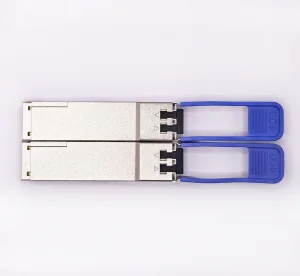
Kocent Optec Limited, established in 2012 in Hong Kong as a hi-tech communication enterprise, is one of China's leading fiber optic termination product manufacturers and solution providers. We are dedicated to developing and manufacturing fiber optic communication products ranging from passive to active categories for telecommunication networks, enterprise networks, and data centers.
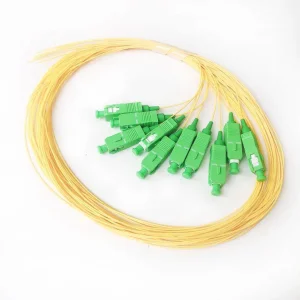
Our core mission revolves around delivering structural integrity and optical precision. By employing advanced manufacturing systems, high-quality raw materials, and strict process parameters, we ensure that every meter of fiber optic cable, pigtail, or passive splitter complies with national and international quality guidelines.

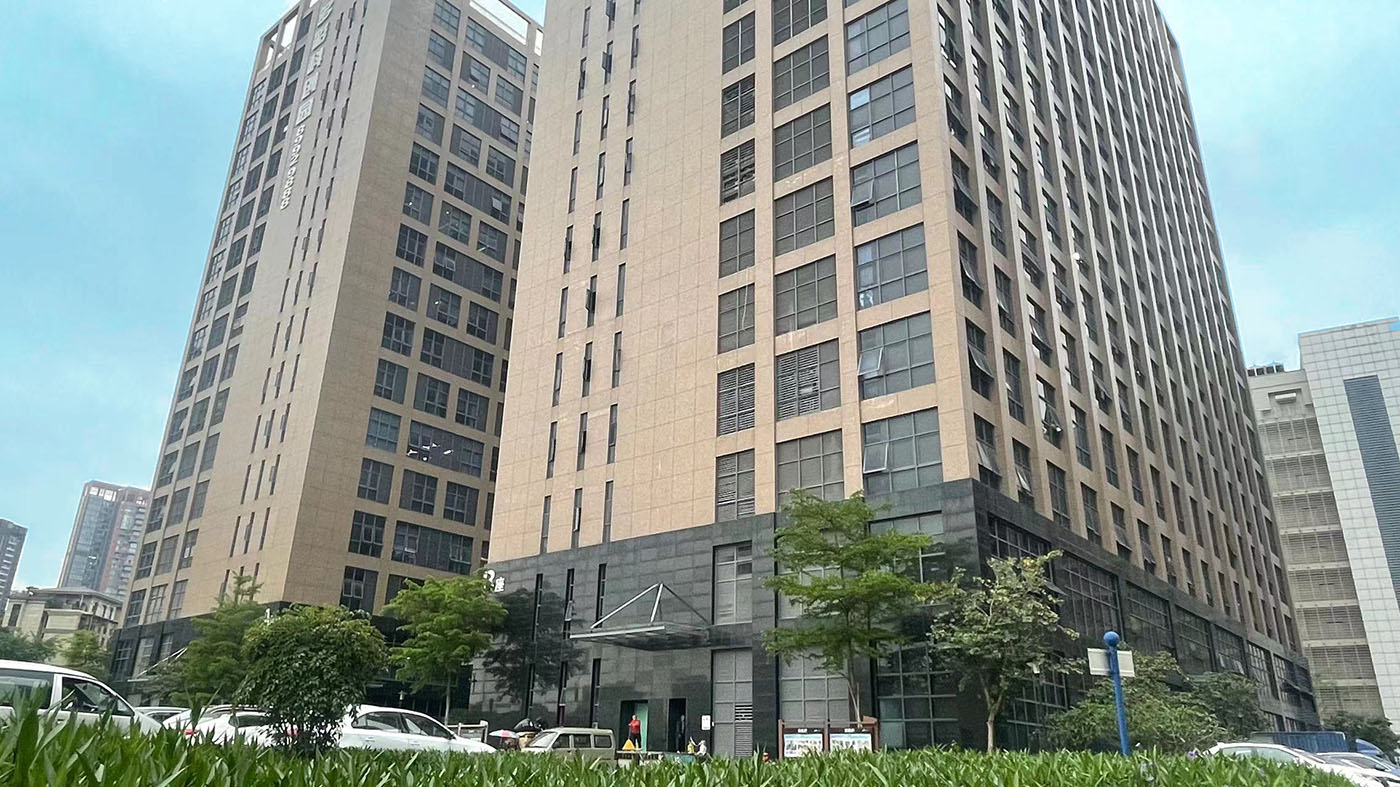
By leveraging our extensive experience and excellent production capacity we gained over the years, we magnify the outcome for our valuable customers, which ultimately expands their core competencies and helps them outperform competitors. We place emphasis on customer collaboration, and we define ourselves as your valuable partner in fiber optic connection solutions. We believe our differentiators are your perceived advantages.
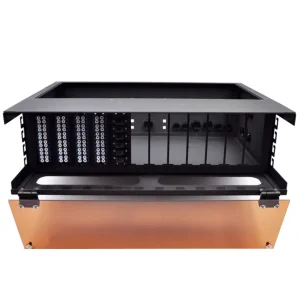
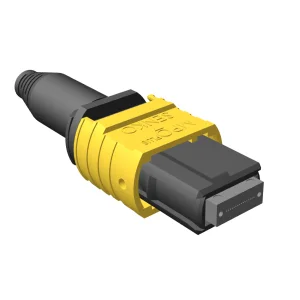
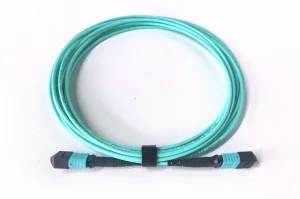
From high-density MTP/MPO systems for data centers to large-scale aerial installations of ADSS and loose-tube outdoor fiber cables, our dynamic design-to-order services cater to the specific tensile, span, and environmental constraints of our clients.
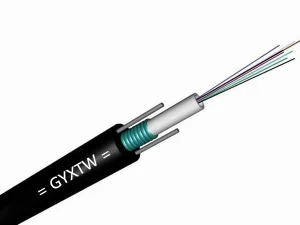
Engineering an aerial self-supporting cable requires a balance of chemical and mechanical forces. The absence of metallic structural support elements (such as steel messengers or steel armoring tape) means the cable's load-bearing responsibility rests entirely on high-strength Aramid Yarns (Kevlar) and the Central Strength Member (FRP - Fiber Reinforced Plastic).
| Technical Characteristics | Stranded Loose Tube Structure (ADSS) | Central Loose Tube Structure (Short Span) |
|---|---|---|
| Fiber Count Range | 2 to 144 Cores (up to 288 custom) | 2 to 24 Cores |
| Outer Sheath Material | Tracking-Resistant (AT) / HDPE (PE) | High-Density Polyethylene (HDPE) |
| Internal Reinforcement | High-modulus Kevlar Aramid Yarn wrap | Glass Yarn / Small Aramid Yarn layers |
| Maximum Span Distance | Up to 1000 meters | 50 to 150 meters |
| Ice & Wind Loading Zones | Heavy / Medium / Light options engineered | Optimized for Light wind load zones |
| E-Field Space Potential | Suitable for >110kV lines (with AT sheath) | Limited to distribution lines <35kV |
When aerial fiber optic cables are installed alongside high-voltage transmission lines, they are exposed to the surrounding electromagnetic field. At electrical potentials exceeding 110kV, electrical tracking (dry-band arcing) can degrade a standard Polyethylene (PE) jacket, resulting in cable failure.
Our factory utilizes advanced Track-Resistant (AT) sheath compounds that prevent tracking and erosion under severe space potential stress. Combined with a precise determination of the cable installation height (space potential calculations), this technology ensures a service lifespan exceeding 25 years.
Features super-absorbent polymer (SAP) yarns and water-blocking tapes to secure dry, gel-free cable cores, enabling fast splicing preparation times.
We source only high-tenacity aramid yarns. The precise stranded helix pattern distributes tensile load evenly across the cross-section.
Thixotropic filling compound in the buffer tubes cushions the fibers, protecting them from mechanical stress and micro-bending attenuation.
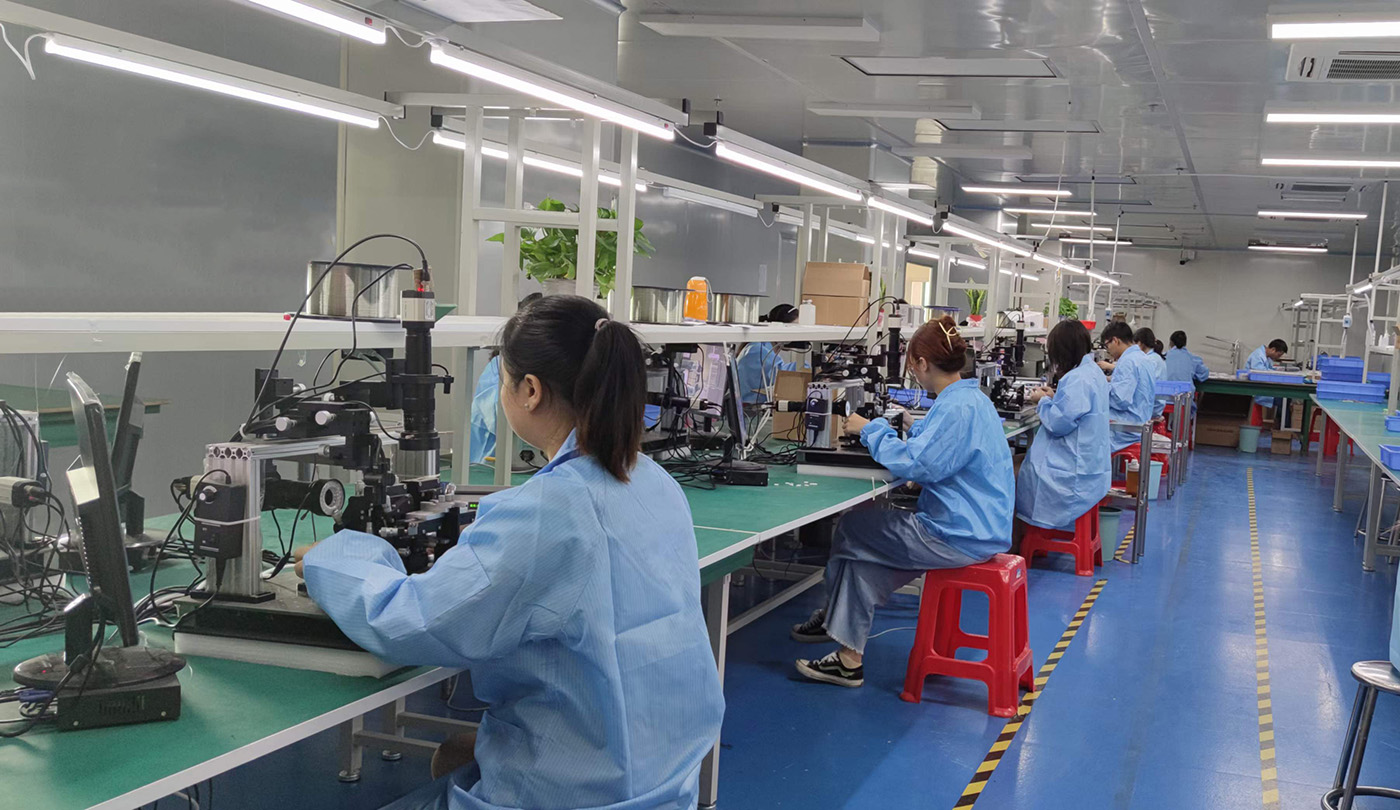
With more than 13 years of experience in manufacturing telecommunication fiber optic products, we follow strictly fiber optic industry standards by using mature scientific methods to deliver your products on time and ensure that 100% products are tested and inspected before shipment.
Every production batch of ADSS fiber optic cables undergoes mechanical test trials verifying parameters such as:
Years of sales and service experience have enabled us to win customers from different regions. Today, we have customers from East Asia, Southeast Asia, Middle East, Eastern Europe, Western Europe, Northern Europe, South America, North America, North Africa, and South Africa.
Win-win cooperation is our constant goal. Many our OEM and ODM products won the Telecom Operator tender and satisfy end-user request.
SingTel, Vodafone, America Movil, Telefonica, Bharti Airtel, Orange, Telenor, VimpelCom, TeliaSonera, Saudi Telecom, MTN, Viettel, Bitel, VNPT, Laos Telecom, MYTEL, Telkom, Telekom, Entel, FiberTel, StarFiber, Ooredoo, Beeline, Azercell.
Environmental factors vary widely from one location to another. Standard off-the-shelf fiber optic cables often fail when subjected to specific regional climates. Our OEM capabilities allow engineers to customize structural characteristics to withstand local environmental challenges:
Designed for Northern Europe, parts of the USA, and Canada. We increase the density of aramid yarn wraps and thicken the high-density polyethylene jacket to support the additional static weight of ice build-ups and heavy wind loads.
For installations alongside high-tension lines (110kV to 500kV), we apply specialized track-resistant (AT) materials to shield against voltage fluctuations and electrical dry-band arcing.
Deployed in coastal or chemical processing areas. Standard cables degrade when exposed to salt mist. We use non-corrosive, UV-stabilized materials to extend product life in corrosive conditions.
As optical technology advances, several core trends shape our ADSS design and factory manufacturing processes:
To assist procurement managers, network planners, and project design teams, our engineering team has answered the most common questions regarding ADSS fiber optic cable manufacturing, quoting, and deployment.
To provide an accurate technical quote, we require the following parameters: fiber count (e.g., 12, 24, 48, 96, or 144 cores), optical fiber type (G.652.D or G.657.A1), the span distance (e.g., 100m, 200m, or 600m), weather loading conditions (wind speed and ice thickness), and the operating line voltage (to select either a PE or AT jacket).
Standard High-Density Polyethylene (HDPE) jackets are suitable for space potentials of 12kV or less, typically found on power distribution lines under 35kV. For line voltages exceeding 110kV (where space potential exceeds 12kV), a Track-Resistant (AT) jacket is required to protect the cable from dry-band electrical tracking.
We implement a strict quality control system following international IEC 60794 standards. Each production batch undergoes OTDR attenuation testing, tensile verification, and dimensional inspection. 100% of products are tested and inspected before shipment, with test reports provided for verification.
All ADSS cables are wound on fumigated wooden drums or composite iron-wooden drums designed for international shipping. Drum ends are sealed to prevent moisture ingress. Cable length per drum typically ranges from 2,000 to 5,000 meters, customizable based on project routing and installation requirements.
 KOCENT OPTEC