Reliable high-speed communication terminal equipment and passive patch hardware
How Modern High-Speed Interconnects Power Next-Generation Enterprise Infrastructures
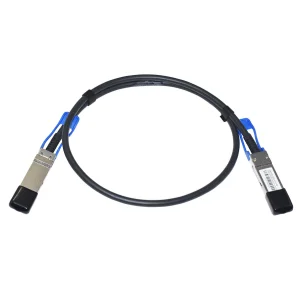
In the modern hyper-scale data center ecosystems, optimization of cost, power efficiency, and data latency are the key indicators driving profitability and stability. Direct Attach Copper (DAC) Cables, specifically designed for 40G (QSFP+ to QSFP+) layouts, have emerged as the foundational backbone for Top-of-Rack (ToR) patching configurations.
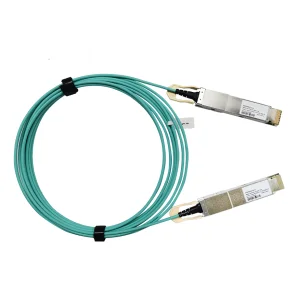
Compared to Active Optical Cables (AOC) and transceiver interfaces, passive DAC cables consume zero power and introduce near-zero latency, making them highly indispensable for high-frequency algorithmic trading setups, real-time machine learning pipelines, and dense cloud environments. Today's global cloud operators require custom, high-speed OEM DAC assemblies that match rigorous mechanical tolerances and signal integrity profiles.
As telecom networks migrate to 5G edge clouds and software-defined architectures, 40G interfaces bridge legacy 10G nodes with emerging 100G/400G infrastructures. Having a highly competent, quality-assured manufacturing partner for specialized cable design is critical to avoid packet loss and physical layer drops in mission-critical applications.
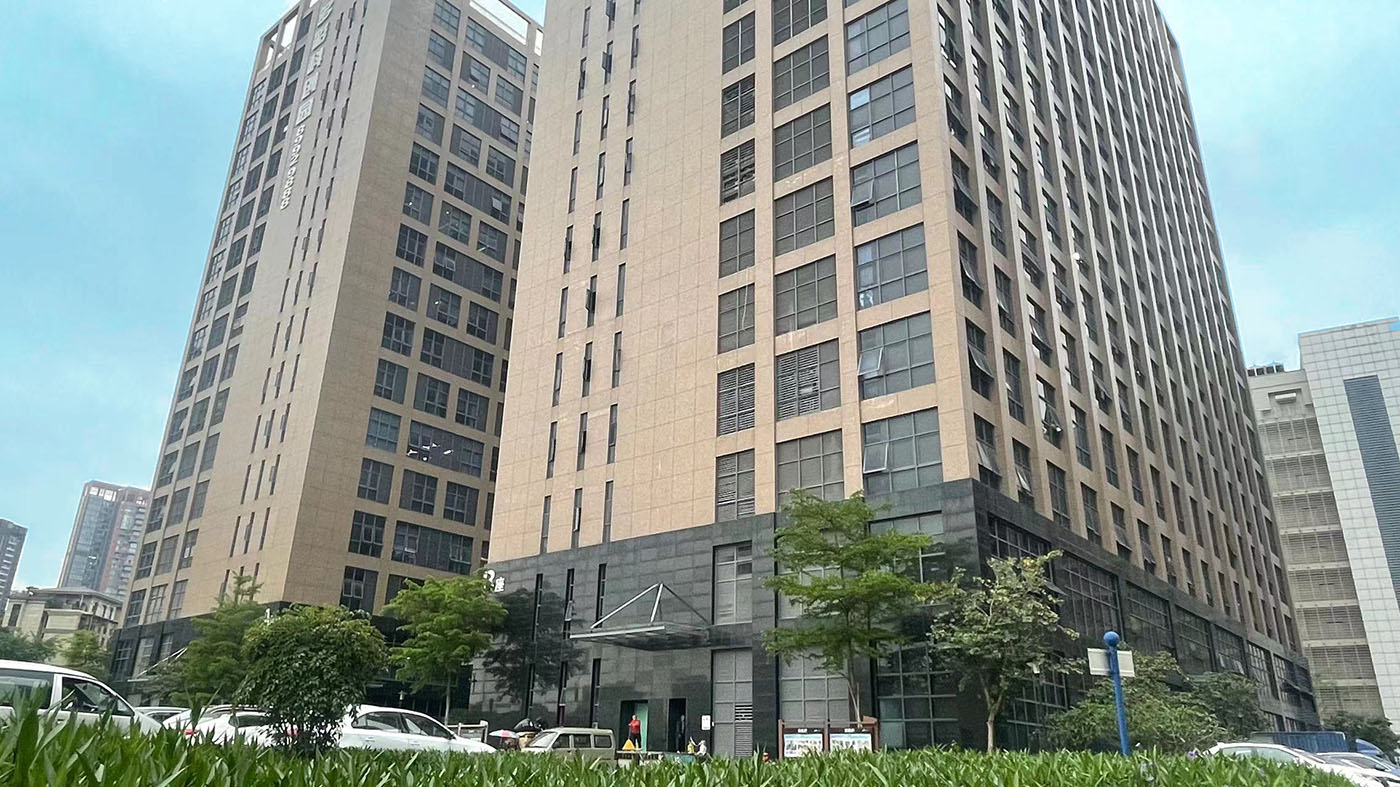

Kocent Optec Limited, established in 2012 in Hong Kong as a hi-tech communication enterprise, stands today as one of China's premier fiber optic and high-speed copper termination product manufacturers and solution providers.
We are dedicated to developing and manufacturing optical and high-speed copper communication products ranging from passive splitters and patch cables to high-capacity active transceiver assemblies. Our solutions are deployed worldwide in telecommunication networks, enterprise infrastructures, and mission-critical cloud data centers.
By leveraging our extensive experience and outstanding production capacity built over more than a decade, we maximize infrastructure ROI for our valuable partners. We emphasize collaborative engineering, serving as a trusted connection partner that transforms complex technical requirements into reliable physical links.
Understanding the engineering underpinnings of reliable 40G high-frequency copper transmission
Utilizing high-purity silver-plated solid copper conductors (24AWG to 30AWG) to minimize skin-effect loss and high-frequency attenuation. Precision twinaxial design ensures tight control over differential impedance (100±5 ohms).
Constructed with dual-shielding structures combining aluminum foil-polyester tape and tinned copper wire braid. This architecture achieves over 90dB isolation, preventing crosstalk in packed data center environments.
Embedded industry-standard EEPROMs programmed with custom vendors-specific code. Fully compatible with top tier hardware platforms (Cisco, Huawei, Arista, Juniper, etc.) out-of-the-box, ensuring Zero-Touch Provisioning.
| Parameter | Passive 40G QSFP+ DAC | Active 40G QSFP+ DAC | Active Optical Cable (AOC) |
|---|---|---|---|
| Max Reach | 0.5m – 7m | 7m – 10m | 1m – 100m |
| Power Consumption | 0W | < 1.5W per end | < 2.5W per end |
| Latency | Theoretical Minimum (< 0.1ns) | Approx. 1-2 ns | Approx. 120-150 ns (O-E-O conversion) |
| Bending Radius | 8x Cable Outer Diameter | 8x Cable Outer Diameter | 10x Cable Outer Diameter |
| Compatibility | EEPROM programmed, Multi-vendor | EEPROM programmed, Multi-vendor | EEPROM programmed, Multi-vendor |
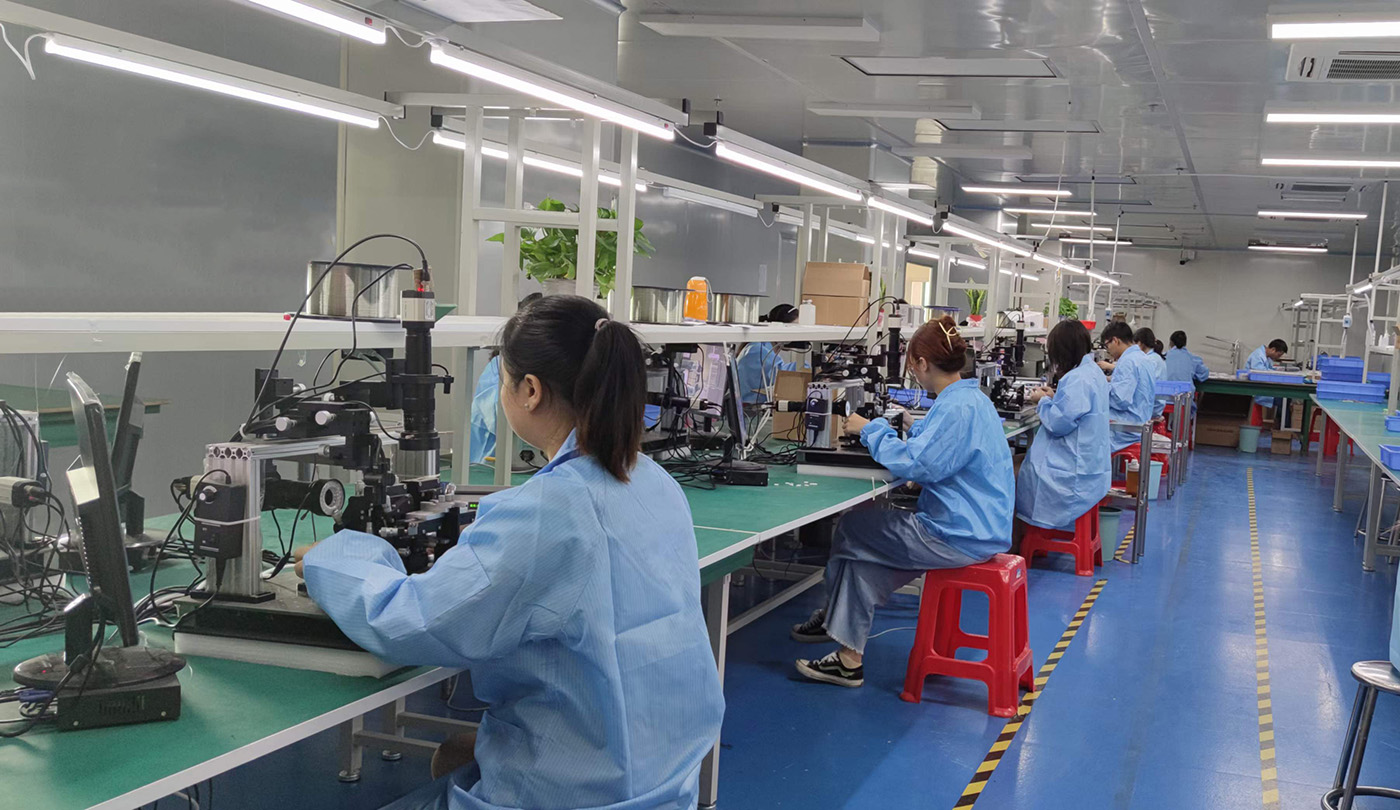
With more than 13 years of experience in manufacturing telecommunication and enterprise network connectivity products, we strictly adhere to rigorous industry guidelines. We ensure that 100% of our products are tested and inspected before shipment using mature, scientific test plans.
Our validation protocol for high-frequency copper assemblies utilizes advanced network analyzers and Bit Error Rate Testing (BERT) suites to measure:
The roadmap from 10G legacy interconnects to hyperscale 800G pathways
Single lane NRZ modulation. Traditional copper twinax cables dominated standard server-to-switch interfaces inside enterprise racks.
Introduction of 4-lane architecture (QSFP+ / QSFP28). 40G DAC cables utilize 4 channels of 10Gbps to provide robust, cost-effective high-density routing.
Migration to PAM4 (Pulse Amplitude Modulation) signaling. Demands ultra-precise material engineering and impedance matching for copper to operate effectively over 2 meters.
Over the years, we have won tenders and built lasting partnerships with leading operators and system integrators worldwide
Years of service and production reliability have enabled us to win customers across East Asia, Southeast Asia, the Middle East, Eastern and Western Europe, the Americas, and Africa. Many of our OEM and ODM products are deployed directly in Telecom Operator tenders.
Key architectural and procurement answers regarding 40G OEM DAC Cable systems
Explore our industrial range of high-speed copper assemblies, adapters, and fiber links
 KOCENT OPTEC