As global demand for ultra-broadband and ultra-low latency connectivity grows, Field Assembly Optical Connectors (FAOCs), commonly known as Fast Connectors, have moved from a niche FTTH installation tool to a critical component of mainstream telecom networks. These pre-polished mechanical connectors bypass the need for traditional fusion splicing in complex termination nodes, drastically reducing labor cost and installation time.
Utilizing high-precision index matching gel within a V-groove architecture, modern fast connectors facilitate alignment within seconds, providing immediate verification without optical epoxy curing.
By employing factory-polished Zirconia ceramic ferrules, our SC and LC fast connectors guarantee consistent geometry, eliminating the variance of field polishing.
Innovations in matching gel formulations ensure consistent performance across extreme thermal cycles (-40°C to +85°C), matching the longevity of traditional splicing methods.
Information Gain: Industrial tests demonstrate that leveraging high-stability mechanical fast connectors reduces last-mile installation labor expenses by over 45% compared to thermal fusion splicing, particularly in dense urban FTTH rollouts where setup and power source restrictions exist.
Telecom operators and infrastructure developers require predictability. When analyzing a fast connector fiber optic pricelist, purchase managers must evaluate long-term Total Cost of Ownership (TCO) alongside initial unit pricing. The primary performance criteria to consider include:
Established in 2012 in Hong Kong as a high-tech communication enterprise, KOCENT OPTEC LIMITED has evolved into one of China's premier fiber optic termination product manufacturers and solution providers. We are dedicated to developing and manufacturing a comprehensive range of fiber optic communication products spanning both passive and active categories.
Our solutions cater to three primary sectors: telecommunication networks, enterprise infrastructures, and next-generation data centers. By combining extensive experience with robust manufacturing capacity, we help our global client base outperform competitors and secure large-scale network deployments.

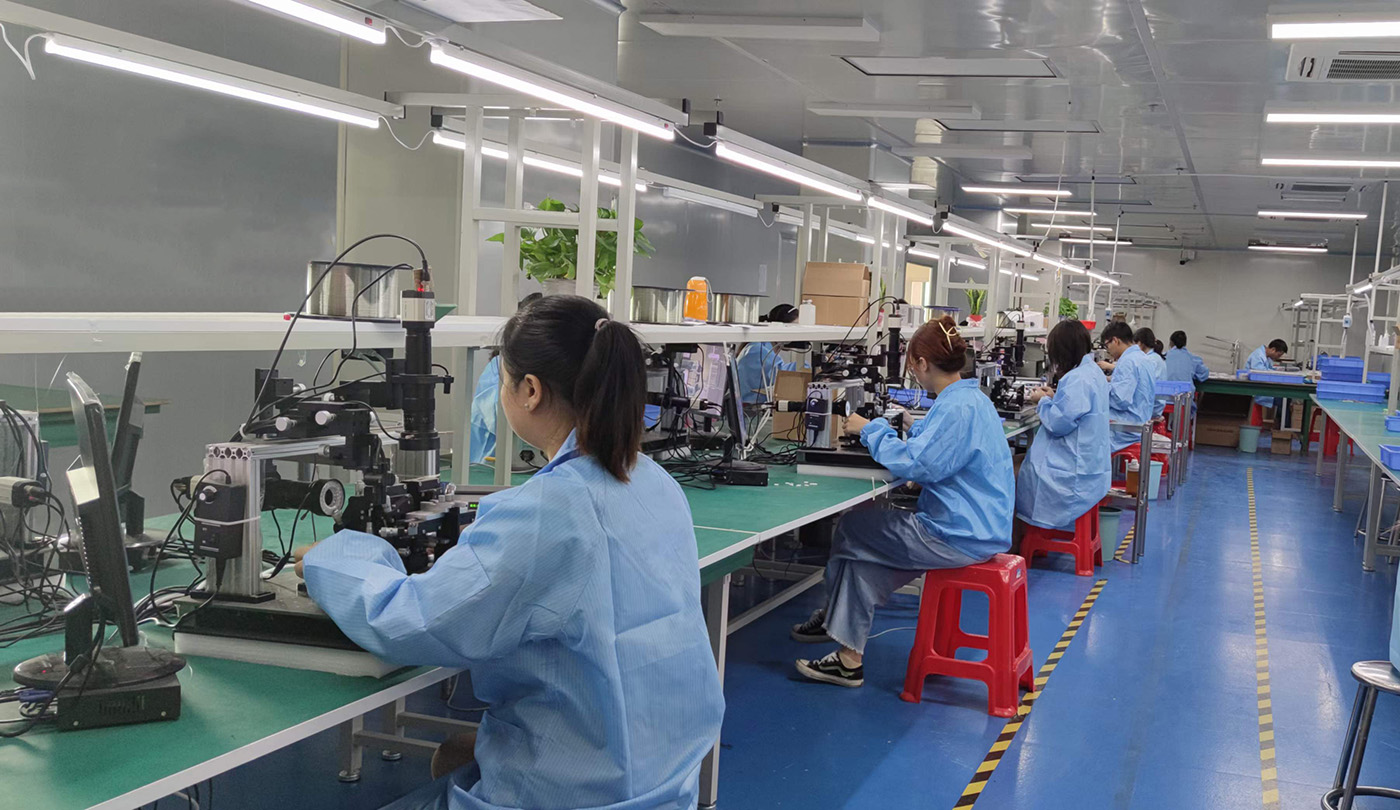
The global fiber optics market demands absolute precision, repeatable quality, and short lead times. To meet these needs, Chinese production lines have evolved. At Kocent Optec, we utilize Smart Factory 4.0 methodologies to integrate manufacturing with automated quality control.
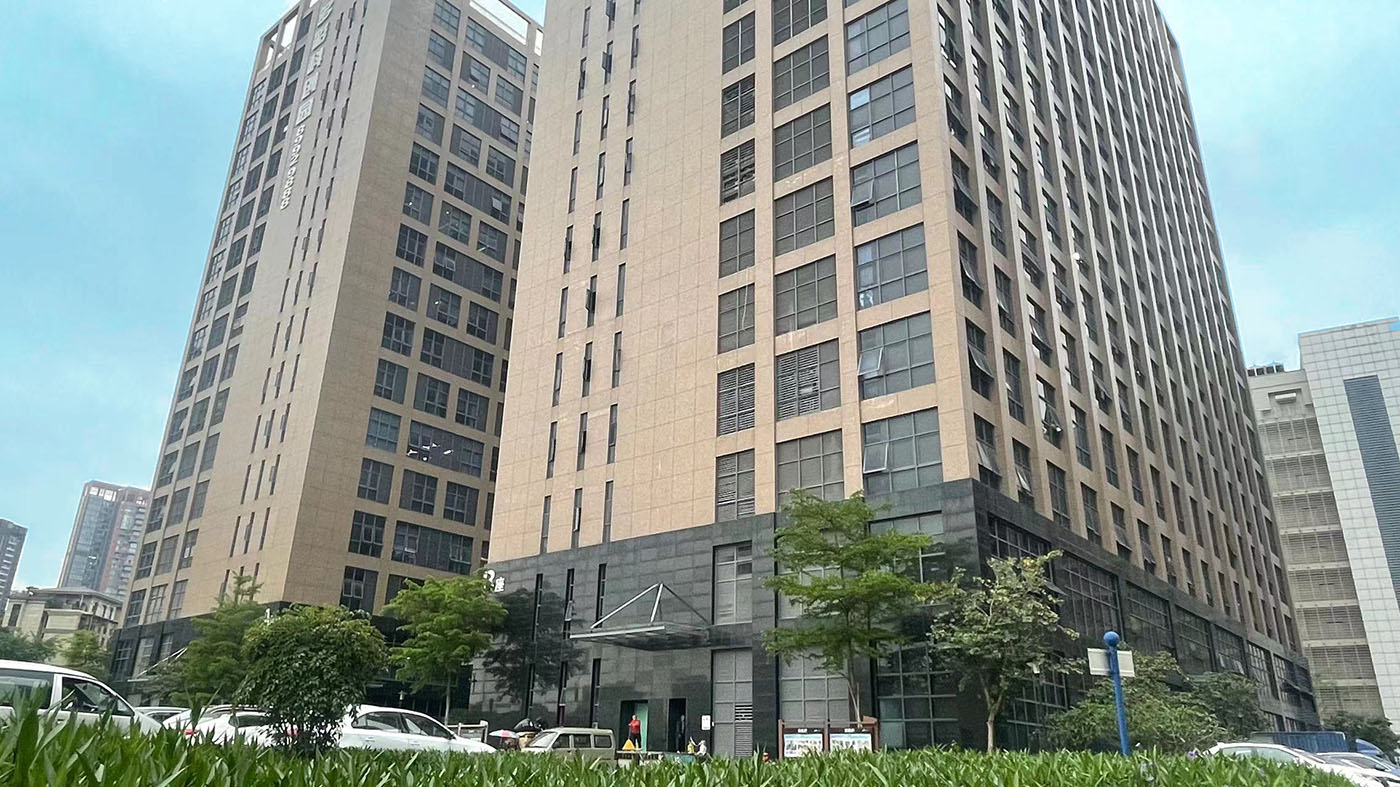
With more than 13 years of manufacturing expertise, our production process utilizes mature scientific methodologies. We maintain rigid alignment with international standards (such as Telcordia GR-326-CORE and IEC 61754). This ensures that every fast connector shipped operates reliably under field conditions.
Fiber optic fast connectors are versatile components deployed across diverse architectures. Understanding their application environment helps determine the optical specifications required for your projects.
Connecting residential subscribers to local distribution boxes (NAP boxes). Quick mechanical termination reduces active subscriber hookup times to under 3 minutes.
Delivering high-bandwidth backhaul connections to utility poles and building facades. Requires robust strain-relief boots and moisture-resistant index matching gel.
Restoring severed cables during industrial construction or natural disasters. Fast connectors provide a quick fix without the need for generator power in remote areas.
We work in partnership with our customers to provide reliable solutions. Our OEM and ODM products have won telecom operator tenders globally and satisfy diverse end-user requirements.
Our key operator partners include: SingTel, Vodafone, America Movil, Telefonica, Bharti Airtel, Orange, Telenor, VimpelCom, TeliaSonera, Saudi Telecom, MTN, Viettel, Bitel, VNPT, Laos Telecom, MYTEL, Telkom, Telekom, Entel, FiberTel, StarFiber, Ooredoo, Beeline, and Azercell.
Mechanical fast connectors use an internal precision mechanical splice with a refractive index matching gel to couple the optical fibers. The installation requires only basic preparation tools (stripper, cleaver, cleaning alcohol) and can be completed in under 2 minutes, requiring no expensive equipment or local electrical power. Thermal fusion splicing melts the glass cores together using an electric arc. While fusion splicing achieves slightly lower insertion loss (typically ≤ 0.02dB vs ≤ 0.3dB for fast connectors) and higher return loss, it requires a high-cost fusion splicer, constant electrical power, and more field setup time.
The zirconia ceramic ferrule is the core component that defines axial alignment. High-quality ferrules (like those used in our OEM production lines) feature sub-micron concentricity tolerances (≤ 0.5 μm) and precise inner capillary diameters. Cheap ceramic ferrules with poor tolerances lead to fiber offset, raising insertion loss and causing performance instability over temperature cycles.
No. Industrial-grade fast connectors use high-stability, non-melting, non-volatile synthetic silica index matching gel. This compound is formulated to resist evaporation, separation, and thermal breakdown across a temperature range of -40°C to +85°C. It is designed to match the typical 20-to-25-year operational lifespan of telecom network infrastructures.
Yes. Most high-quality mechanical fast connectors are designed to be reusable (typically up to 5 to 10 times). If the initial insertion test yields high attenuation, the installer can open the locking wedge, withdraw the fiber, re-strip, re-cleave, and re-insert. This reusability reduces waste during complex field deployments.
SC/APC (Angle Physical Contact) connectors feature an 8-degree angled ferrule face, which reflects back-propagating light into the fiber cladding rather than the core, achieving a return loss of ≥ 60dB. This is critical for high-frequency RF video signals and GPON/EPON architectures. SC/UPC (Ultra Physical Contact) connectors have a flat, radiused end-face with a return loss of ≥ 50dB, which is suitable for standard digital data networks but less effective at preventing back-reflections in high-power analog or optical distribution networks.
 KOCENT OPTEC