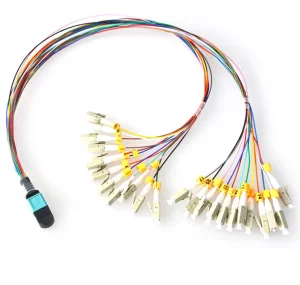
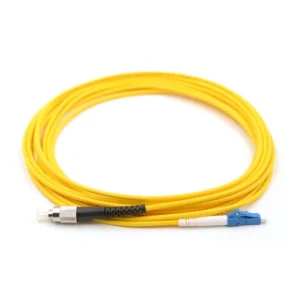
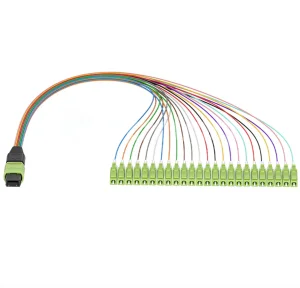
Engineered for immediate integration within Argentine FTTH rollouts and regional backbone topologies.
Argentina's telecom sector is undergoing a massive transformation. Led by national programs and dynamic regional ISPs (known locally as *proveedores de internet*), the push to bridge the digital divide is translating into intensive FTTH deployment across key hubs like Buenos Aires, Córdoba, Santa Fe, and Mendoza. Due to vast geographic distances, local operators rely on overhead aerial layouts to deploy fast, scalable architectures.
Faced with fluctuating domestic pricing and strict import conditions, Argentine operators require direct access to optical fiber cable factory lists to guarantee consistent supply, stable quality control, and competitive, structured pricing matrices.
Understanding the economic and structural metrics that make direct factory sourcing the smart choice for Argentine enterprises.

Globally, the optical fiber market is shifting toward higher fiber-count densities and ultra-low attenuation characteristics. The rise of 5G, distributed computing nodes, and hyperscale data centers requires highly reliable passive networks.
Leveraging Chinese manufacturing hubs provides Argentine telecom operators with distinct structural advantages:
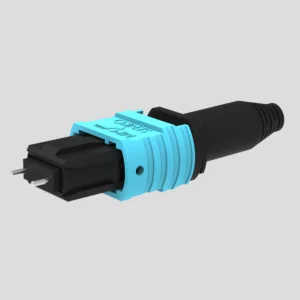
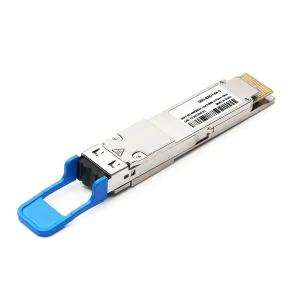
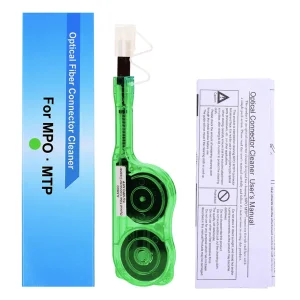
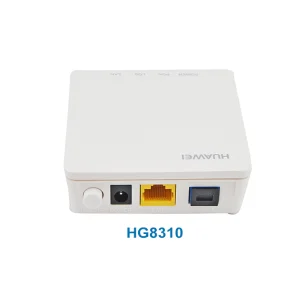
Optimized active and interconnect equipment supporting fiber deployments in Argentine corporate and municipal networks.
Direct matching of core optic products to common Argentine installation methodologies.
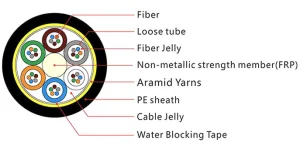
For rural connectivity cooperatives in the Pampa region and surrounding towns, laying fiber underground can be cost-prohibitive. Dielectric Self-Supporting (ADSS) cables are easily installed on existing low and medium voltage wooden or concrete poles. The internal aramid yarns provide high tensile strength to withstand Patagonia winds and mechanical stress without requiring messenger wire support.
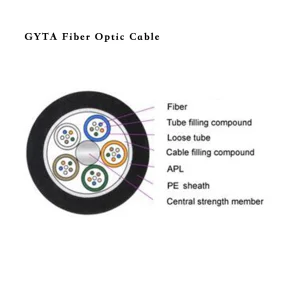
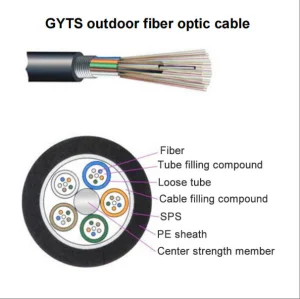
In metropolitan areas like Buenos Aires, where aerial cables are limited by city ordinances, GYTA and GYTS multi-tube loose structure fiber cables are preferred. The corrugated steel tape (GYTS) or aluminum moisture barrier (GYTA) provides excellent crush and rodent resistance. These models are ideal for direct-burial trenches or pre-installed PVC conduit banks.
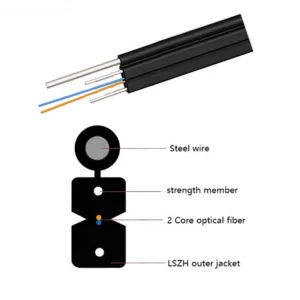
Connecting residential users requires high flexibility. The GJYXFCH single-mode bow-type drop cable features steel wire strength members and low-bend-radius fiber cores (G.657.A1/A2), preventing attenuation spikes when routing cables around sharp corners and building entries.
| Cable Type | Primary Application Scenario | Tensile Strength (Long Term) | Crush Resistance (N/100mm) | Jacket Type Available |
|---|---|---|---|---|
| GJYXFCH Drop | Last-mile FTTH building entries | 300 N | 1000 N | LSZH / UV-Resistant PVC |
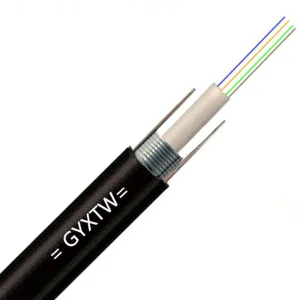
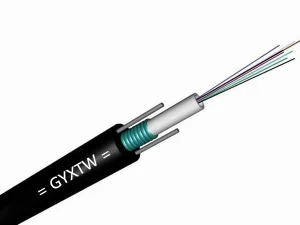
| GYXTW Loose Tube | Rural trunk and aerial loop systems | 600 N | 1500 N | High-Density Polyethylene (HDPE) |
| ADSS Dielectric | Power distribution line co-location (100m span) | 1500 N to 3500 N+ | 2200 N | Tracking Resistant (AT) / HDPE |
| GYTA / GYTS | Underground direct burial & duct backbone networks | 1200 N | 3000 N | Dual Jacket HDPE with Steel/Alu armor |
Established in 2012 in Hong Kong as a high-tech communications enterprise, Kocent Optec Limited has grown to become one of China's leading fiber optic termination product manufacturers and passive/active optical solution providers. We are dedicated to engineering, developing, and manufacturing high-performance fiber optic communications equipment for telecommunication operators, municipal utilities, enterprise networks, and tier-1 hyperscale data centers.
“By leveraging our extensive engineering experience and deep production capacity gained over the years, we amplify the output for our valuable customers, expanding their core competencies and helping them outperform competitors.”
We place high emphasis on close customer collaboration. Rather than just a supplier, we define ourselves as your operational partner in fiber optic connection solutions, knowing that our engineering advantages translate directly into your field advantages.
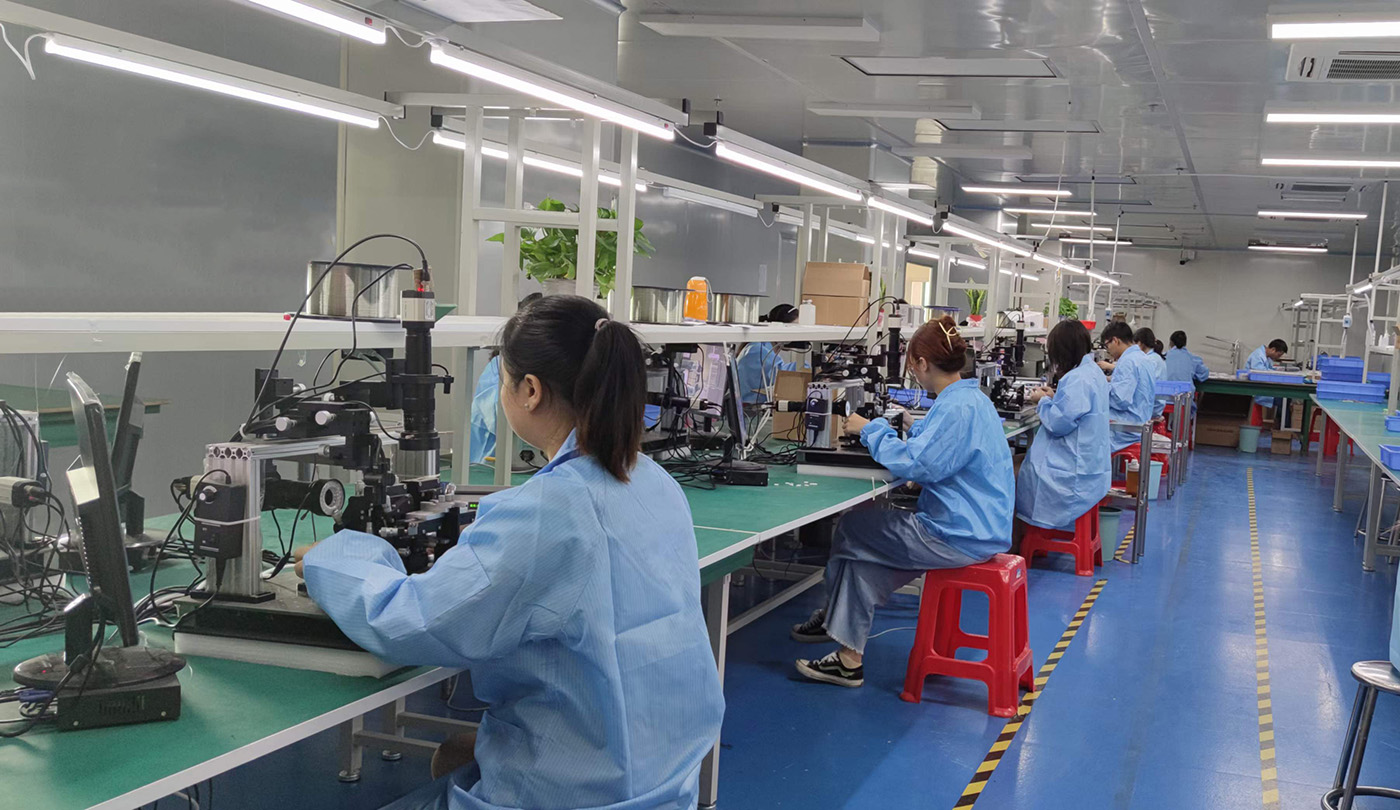
With more than 13 years of manufacturing experience, we strictly follow the highest fiber optic industry standards (including Telcordia, IEC, ISO, and RoHS). Our operations employ mature scientific testing methods to deliver your orders on time and guarantee that 100% of products are tested and inspected before dispatch.
Years of dedicated sales and service support have allowed us to earn trust from buyers worldwide. Today, Kocent Optec products are deployed across East Asia, Southeast Asia, the Middle East, Eastern Europe, Western Europe, Northern Europe, South America, North America, North Africa, and South Africa.
Win-win cooperation remains our driving goal. Many of our OEM and ODM assemblies successfully pass stringent carrier evaluation standards and win telecommunications tenders worldwide. Our products satisfy the requirements of demanding end-users and major telecom operators, including:
Factory-direct sourcing list for primary passive network infrastructure components.
Best practices for navigating imports, customizing specs, and cost optimization when dealing with Chinese factories.
Fiber optic cable pricing is determined by several core cost drivers. To secure the most accurate quotes, procurement managers should specify the following configuration parameters:
Navigating Argentine customs requires thorough documentation. Kocent Optec provides full logistics support to facilitate custom clearance:
Technical and logistics questions answered by our engineering and export team.
Generally, manufacturing takes 15 to 20 business days from deposit confirmation. Ocean transit from Shenzhen or Shanghai port to Buenos Aires takes approximately 35 to 45 days. We recommend planning orders 60 to 75 days in advance of installation schedules.
ADSS (All-Dielectric Self-Supporting) cables do not contain metal components, meaning they can be safely installed close to high-voltage power lines without grounding issues. This reduces installation weight, speeds up pole attachment processes, and lowers installation costs.
For indoor building networks, G.657.A2 single-mode fiber is highly recommended. It offers a minimum bending radius of 7.5mm, which allows the cable to be routed around sharp corners without causing noticeable signal loss.
Yes, we provide full OEM branding services. We can print your company name, custom codes, standard ratings, and sequential meter markings on the outer sheath at regular intervals.
Every cable drum undergoes OTDR attenuation testing, geometry evaluation, and mechanical testing. Test certificates are attached to each reel, and digital copies are sent to you for your records before the shipment leaves the factory.
Yes, we offer consolidated container solutions. You can load outdoor fiber reels, indoor patch panels, high-density MPO connectors, and GPON ONU/ONT equipment in a single container to optimize shipping costs.
Connect with our senior technical sales team to request custom manufacturing options, sample reels, and a detailed, direct factory pricelist tailored for the Argentine telecom market.
Send Inquiry Now KOCENT OPTEC